
Understanding the Risks of Excessive Vitamin D Intake

The Importance of Vitamin D
Maintaining a balanced intake of vitamins and minerals is crucial for overall health. Among these, Vitamin D stands out as a key nutrient that aids in bone strength, supports muscle function, and boosts the immune system. However, while it is vital for health, too much Vitamin D can also pose serious risks.
Risks of Overconsumption

Experts warn that many individuals start taking Vitamin D supplements independently to combat deficiencies. However, excessive intake without medical advice can lead to increased health risks. Prolonged high doses of Vitamin D can result in toxicity.
Consequences of Excess Vitamin D
Vitamin D toxicity usually arises from long-term use of high-dose supplements rather than from food sources or sunlight. This risk is particularly significant for those with certain health conditions or who self-prescribe supplements without professional guidance.
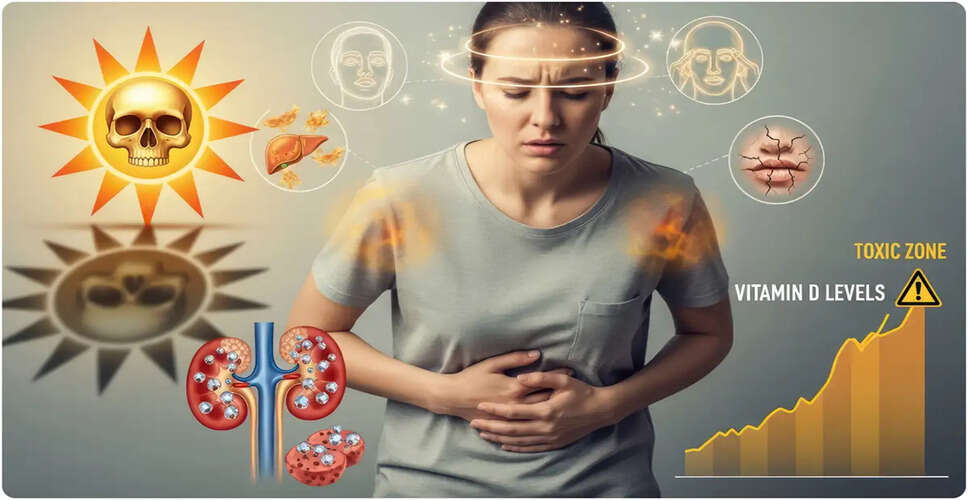
When Vitamin D levels surpass the necessary amount, it can cause an increase in blood calcium levels, known as hypercalcemia. Symptoms may include nausea, vomiting, excessive thirst, weakness, and frequent urination.
Effects on Kidneys and Digestion
High calcium levels can strain the kidneys, potentially leading to kidney stones or impaired function. Therefore, individuals using Vitamin D supplements for extended periods should exercise caution. Additionally, hypercalcemia can trigger gastrointestinal problems, with symptoms like nausea, vomiting, constipation, or loss of appetite.
Impact on Mental Health
Excessive calcium in the bloodstream can also affect the nervous system, resulting in headaches, weakness, confusion, irritability, and difficulty focusing. In extreme cases, it may lead to a decreased level of consciousness.
Guidelines for Vitamin D Intake
For healthy adults, a daily intake of around 400–800 IU (10–20 micrograms) of Vitamin D is generally adequate. Regularly consuming amounts significantly above this can lead to various health issues. The right dosage for you may vary based on age, health status, and current Vitamin D levels.
It is advisable to avoid high-dose supplements without consulting a healthcare professional.