
Understanding the Right Direction for Worshipping Lord Shiva

The Importance of Direction in Worship
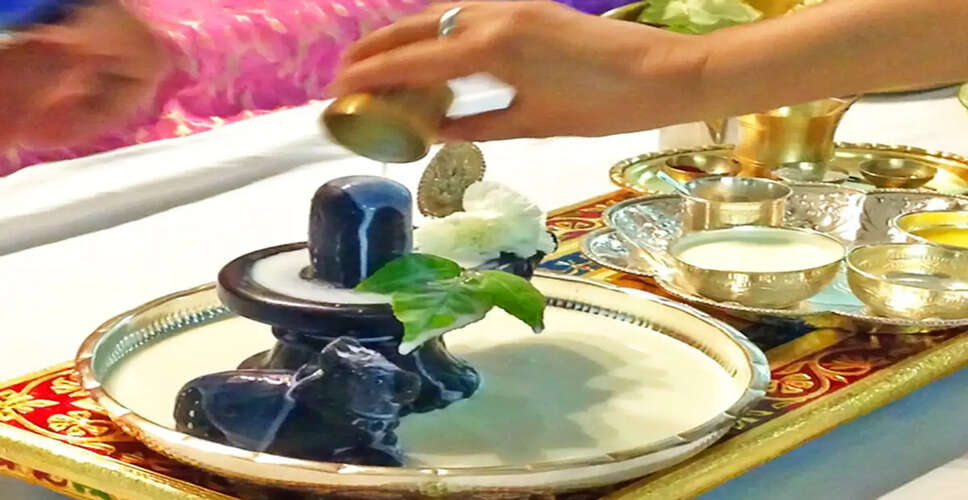
During the Sawan month, devotees flock to temples to pay homage to Lord Shiva and pour water over the Shivling. However, in our eagerness, we often neglect the significance of direction. Many individuals are unaware that Vastu principles dictate specific guidelines for worshipping the Shivling and offering water.
Offering prayers to the Shivling while positioned in the correct direction can bring blessings and prosperity. On the other hand, worshipping from an incorrect direction may lead to negative outcomes for the devotee. Let's delve into the ideal direction for Shivling worship.
Optimal Direction for Shivling Worship
**The Best Direction for Worshipping the Shivling**
According to Vastu Shastra, the most favorable position for worshipping Lord Shiva is to sit facing North, which means the devotee should be seated in the South. Engaging in *Jalabhishek* (water offering), reciting mantras, and performing rituals in this orientation fosters positive energy.
**Why Avoid Worshipping While Facing West?**
In religious traditions, the West is associated with the back of Lord Shiva. Therefore, offering prayers or water to the Shivling while facing this direction is deemed inappropriate, as it is believed to attract poverty instead of blessings.
**Significance of the Eastern Direction**
Some beliefs suggest that facing East during worship can create barriers in connecting with Lord Shiva. Any obstruction during the ritual can render it incomplete, so it is advisable to refrain from worshipping while seated in the Eastern direction.
**Avoid Worshipping While Facing North**
Traditionally, the Northern side of the Shivling is considered the domain of Goddess Parvati. Hence, it is recommended to avoid worshipping from this direction. Instead, offerings should be made to Goddess Parvati from this side, as worshipping the Shivling from here is thought to provide no spiritual benefit.
Conclusion
In summary, the direction in which one worships Lord Shiva holds significant importance based on religious and traditional beliefs. The most auspicious practice is to sit in the South and face North while performing worship.