
Understanding the Reusability of Puja Materials in Hindu Worship

The Importance of Daily Worship in Hinduism
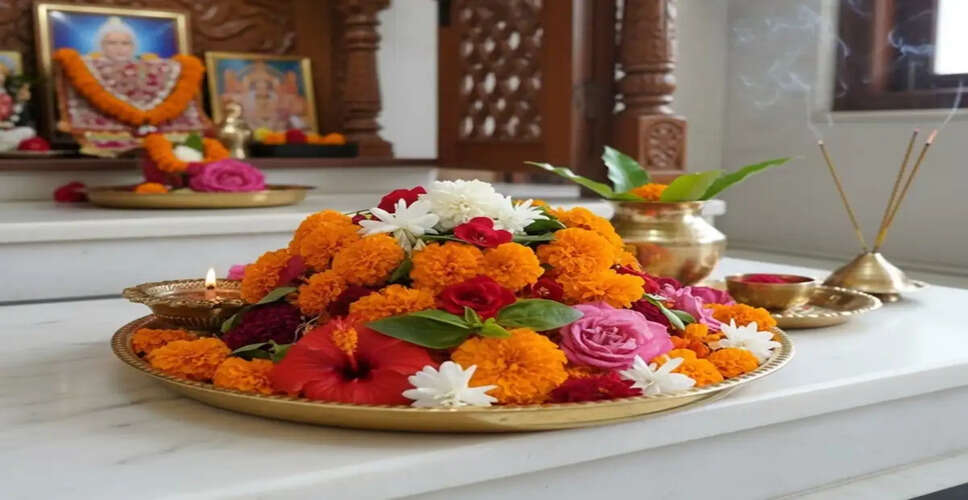
Daily worship is a vital practice in Hinduism, where devotees express their reverence by offering flowers, water, and food to deities with utmost sincerity. A common inquiry among worshippers is whether certain puja items can be reused or if they become 'nirmalya' (stale) after being offered.
Guidelines on Reusable Puja Materials
Different scriptures outline specific rules regarding puja materials. Here’s a look at which items can be reused and which should not be.
Reusable Materials:
While it is generally advised against reusing puja items, there are notable exceptions.
Ganga Water: This sacred water remains pure and can be used multiple times in rituals.
Tulsi Leaves: Revered by Lord Vishnu, these leaves can be rinsed and reused within a span of 10 days after their initial offering.
Belpatra (Bael Leaves): If offered to Lord Shiva and remain intact, these leaves can be cleaned and re-presented at the Shivalinga.
Metal Utensils: Vessels made of gold, silver, or copper can be washed and reused for worship.
Items That Should Not Be Reused
Prohibited Reuse:
Some items are deemed inauspicious to reuse after being offered once.
Flowers: Once a flower has been presented to God, it should not be reused, as it becomes Nirmalya after drying.
Rice: Rice grains offered during worship should not be reused.
Naivedya (Food Offerings): Once offered, food should be shared as Prasad and not presented to God again.
Lamp Wick: A wick that has been lit should not be reused; always use a fresh wick for each worship session.
The Significance of These Guidelines
Adhering to these rules is crucial as purity and freshness are essential in worship. Offering stale or discarded items is seen as a sign of disrespect. However, certain sacred items like Belpatra and Tulsi are exceptions due to their unique divine significance.
PC Social Media