
Understanding the Recurrence of Urinary Tract Infections: Insights from Experts

What Causes Recurrent UTIs?
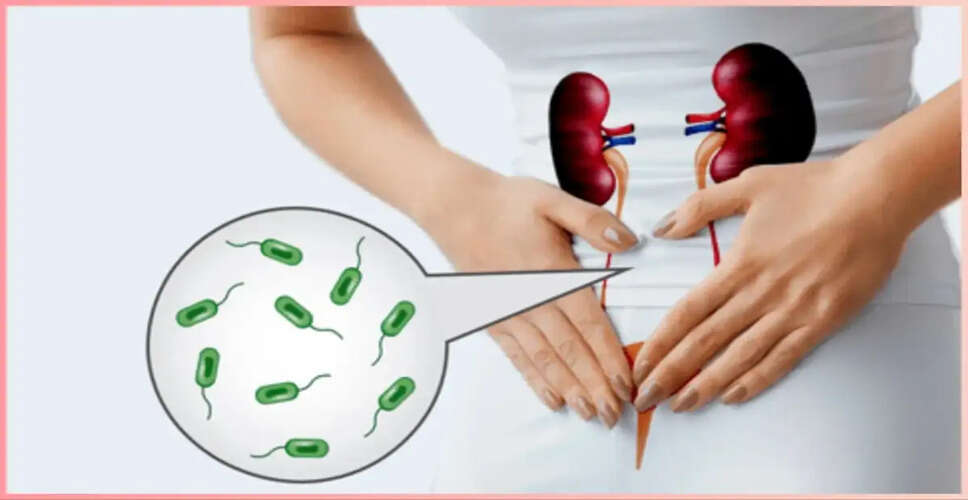
Understanding UTIs: A urinary tract infection (UTI) occurs when bacteria invade any part of the urinary system. These bacteria typically enter through the urinary tract, reach the bladder or other associated organs, and attach to the inner lining. Once established, they multiply quickly, causing inflammation and discomfort, which can manifest as a burning sensation, pain, and itching. This irritation can lead to hypersensitivity in the bladder wall, resulting in frequent and urgent urination. Dr. Vineet Malhotra, a senior urologist at VNA Hospital in New Delhi, shares valuable insights into the reasons behind recurrent UTIs and how to manage them.
Impact of Diabetes on Bladder Health
Diabetes and Bladder Function: Dr. Malhotra highlights that UTIs can recur for various reasons, with diabetes being a significant factor. High blood sugar levels in diabetic patients can lead to glucose in the urine, creating a favorable environment for bacterial growth. Additionally, diabetes can compromise the immune system, further increasing the risk of recurrent infections. Uncontrolled diabetes significantly raises the likelihood of UTIs. Other contributing factors include the presence of kidney stones or urethral stones, as well as the bladder's inability to fully empty due to obstructions or nerve issues. When the bladder does not empty completely, it becomes a breeding ground for bacteria, which can also enter the urinary tract from other parts of the body through the bloodstream.
Why Women Are More Susceptible
Increased Risk for Women: According to Dr. Malhotra, women are at a higher risk for recurrent UTIs due to anatomical factors. The female urinary tract is shorter and more compact, and its proximity to the anus increases the chances of bacterial contamination. This situation can lead to conditions like urethral stenosis, where the bladder muscles or nerves weaken, preventing complete bladder emptying and allowing residual urine to foster bacterial growth.
The Role of Bacterial Biofilms
Persistent Bacterial Infections: Some bacteria can form protective layers known as biofilms on the mucosal lining of the urinary tract, as explained by Dr. Malhotra. These biofilms allow bacteria to adhere firmly, making them resistant to standard treatments. If a foreign object, such as a stone or stent, is present, bacteria can quickly attach and form biofilms, complicating treatment. Specialized approaches, including direct medication administration, may be necessary in such cases.
Effective Treatment Options
Consulting a Specialist: Dr. Malhotra recommends that individuals experiencing recurrent UTIs seek advice from a urologist. Various underlying causes can lead to these infections, necessitating specific diagnostic tests based on symptoms. Identifying the root cause, whether it be a stone or a specific bacterial strain, is crucial for effective treatment. In women, UTIs may not always be linked to structural issues; they can also arise from uncomplicated infections. Therefore, maintaining proper hygiene in the genital and urinary areas is vital. Additionally, dietary habits play a role, as digestive problems can sometimes lead to infections. Drinking plenty of water can help flush out bacteria, but if UTIs persist despite these measures, consulting a specialist is essential.
Stay Informed
PC Social Media