
Understanding the Key Differences Between Microwaves and Ovens
Introduction to Cooking Appliances
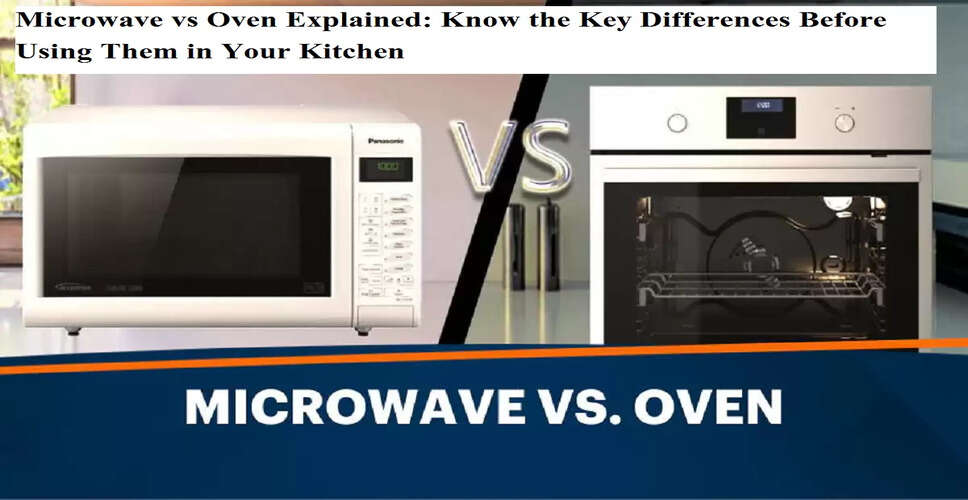
Many individuals rely on both microwave ovens and conventional ovens in their daily cooking routines. However, a significant number of users mistakenly believe that these two appliances operate in the same manner. Despite their similar appearances and common placement in contemporary kitchens, microwaves and ovens function quite differently. Recognizing these distinctions can aid in selecting the appropriate appliance for your culinary needs, enhancing both flavor and efficiency.
How They Operate: The Technology Behind Cooking
The primary difference between a microwave and an oven is rooted in their cooking technologies. A microwave utilizes electromagnetic waves, often referred to as microwave radiation, to heat food. These waves specifically target the water molecules within the food, causing them to vibrate rapidly, which generates heat internally and allows for quick cooking or warming.
Conversely, an oven employs heating elements or rods that warm the air inside its chamber. This heated air envelops the food, cooking it gradually from the outside in. This method is particularly effective for baking, roasting, and grilling.
In essence, a microwave heats food from the inside out, while an oven cooks food from the outside in.
Cooking Speed: Which Appliance is Quicker?
For those prioritizing time efficiency, the microwave is the clear winner. It can quickly reheat leftovers, warm drinks, or prepare simple meals in mere minutes, making it ideal for hectic mornings or late-night snacks.
In contrast, an oven requires preheating and longer cooking times. Baking and roasting involve a slow, even cooking process that, while time-consuming, results in superior texture for certain dishes.
Need quick reheating? Opt for a microwave.
For slow, meticulous cooking? An oven is the better choice.
Types of Dishes Each Appliance Can Prepare
Another significant difference lies in the variety of foods each appliance can handle. A microwave is typically used for:
- Reheating meals
- Steaming vegetables
- Cooking instant meals
- Basic everyday cooking
On the other hand, an oven is specifically suited for:
- Baking cakes, cookies, and bread
- Making pizzas and pastries
- Roasting vegetables and meats
- Grilling dishes to achieve a crispy finish
While some advanced microwaves claim to bake, they cannot replicate the results produced by an oven's hot air circulation.
Taste, Texture, and Food Presentation
Taste and texture are crucial factors in appliance selection. Food prepared in a microwave tends to be soft and moist, lacking a crispy or browned exterior. This makes microwaves less suitable for dishes that require a crunchy texture or golden finish.
In contrast, an oven provides a crisp outer layer while keeping the inside tender. Whether it’s a pizza crust, baked cookies, or roasted vegetables, ovens significantly enhance flavor and texture.
If presentation and crunch are important to you, the oven is unparalleled.
Energy Consumption and Cost Efficiency
Energy efficiency is another important consideration. Microwaves operate for shorter periods and complete tasks quickly, making them more energy-efficient for everyday use. They are particularly beneficial for households that frequently reheat food or prepare small portions.
Ovens, however, take longer to heat up and remain on for extended periods during baking or roasting, leading to higher electricity consumption compared to microwaves.
This makes ovens more suitable for occasional use, while microwaves excel in daily cooking scenarios.
Making the Right Choice
The decision between a microwave and an oven ultimately depends on your cooking habits and lifestyle.
- If you prioritize speed, convenience, and frequent use, a microwave is essential.
- If you enjoy baking, experimenting with recipes, and achieving professional-quality textures, an oven is indispensable.
Many modern kitchens now feature both appliances, as they serve distinct purposes and complement each other effectively.
While microwaves and ovens may appear similar, they cater to entirely different cooking styles. A microwave emphasizes speed and convenience, whereas an oven focuses on precision, texture, and flavor. Understanding these differences can lead to better cooking outcomes and smarter appliance usage.
Selecting the appropriate appliance at the right time can enhance your cooking experience while saving both time and energy.