
Understanding the Importance of Iodine in Your Diet


The Role of Iodine in Health
In Indian cuisine, salt is a staple ingredient, and its health benefits are largely attributed to iodine. Despite this, many salts available in the market have minimal iodine content. Iodine is a vital nutrient, and its deficiency can lead to serious health complications, affecting everything from thyroid function to the growth and development of children. To highlight the significance of iodine, World Iodine Deficiency Day is commemorated annually on October 21st.
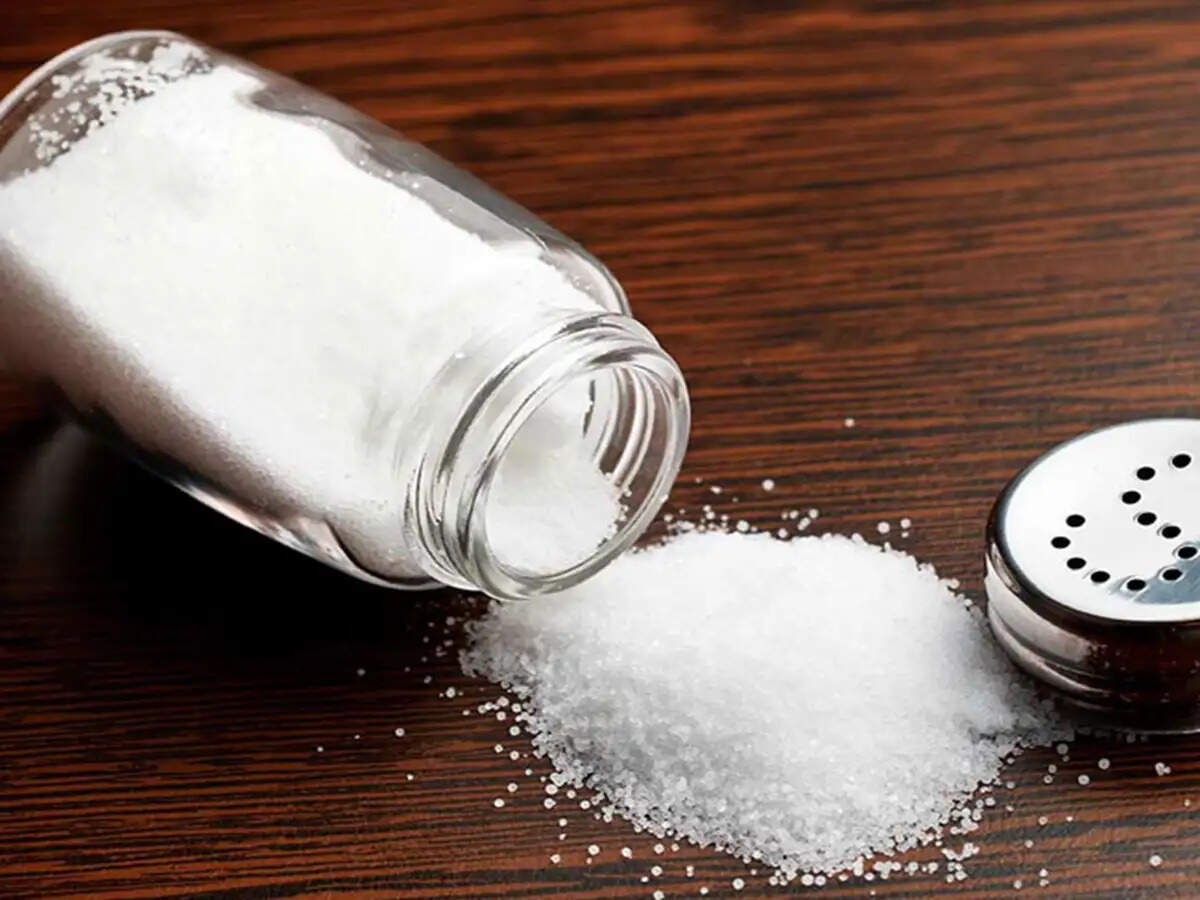
Adults typically need around 150 micrograms of iodine each day, while pregnant women require 220 micrograms, and those who are breastfeeding need about 290 micrograms. Thus, it is essential to consume iodized salt and maintain a balanced diet to avoid iodine deficiency. Let’s delve into the potential health issues stemming from a lack of iodine and how to prevent them.
Why Iodine is Vital for Your Body
Iodine is crucial for the body as it aids the thyroid gland in hormone production. These hormones play a key role in regulating metabolism, body temperature, and overall growth. Insufficient iodine can hinder thyroid hormone production, leading to symptoms such as fatigue, weight gain, and increased sensitivity to cold.
Health Issues Linked to Iodine Deficiency
Goiter: A lack of iodine can cause the thyroid gland to swell, resulting in a condition known as goiter, which is characterized by swelling in the neck.
Thyroid Disorders: Inadequate iodine intake can disrupt thyroid function, potentially leading to hypothyroidism. This deficiency also significantly impacts child development, as iodine is essential for proper brain and physical growth. Severe deficiency can hinder cognitive abilities and overall development.
Pregnancy Risks: For pregnant women, iodine is particularly important. A severe deficiency can adversely affect the fetus's brain and nervous system development and may increase the likelihood of complications during pregnancy.
Preventing Iodine Deficiency
Check Salt Labels: When buying salt, always read the packaging to ensure it contains iodine. Store salt in a dry, sealed container to prevent moisture and heat exposure. However, avoid excessive salt consumption to meet iodine needs, as high salt intake can lead to hypertension and heart disease.
Other dietary sources of iodine include milk, yogurt, eggs, and certain seafood. A balanced diet is essential for overall health. Since too much iodine can also be harmful, consult a healthcare professional before taking iodine supplements.
Stay Informed
PC Social Media