
Understanding the Importance of Authentic Sindoor in Indian Marriages

The Significance of Sindoor in Indian Marriages
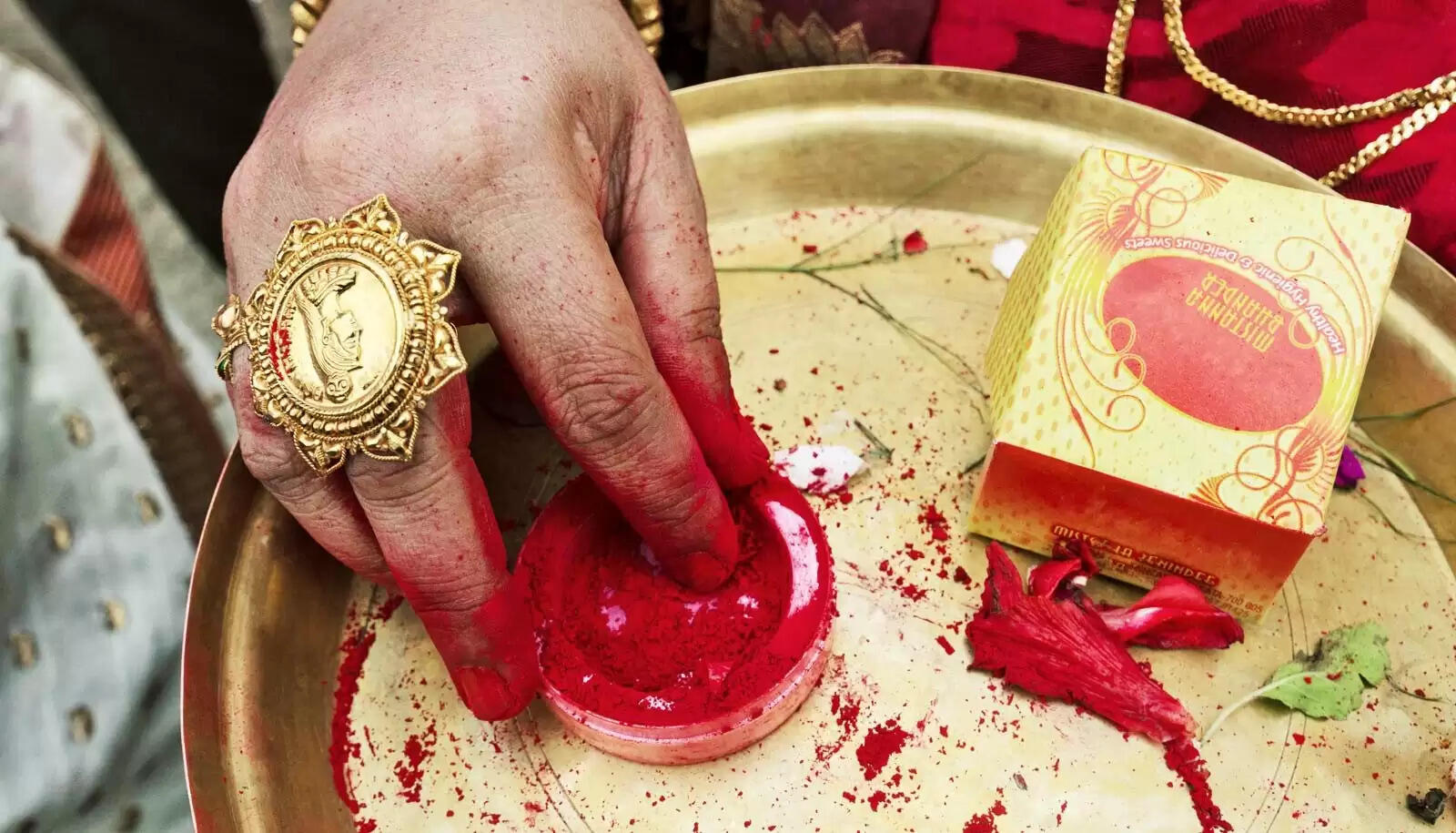
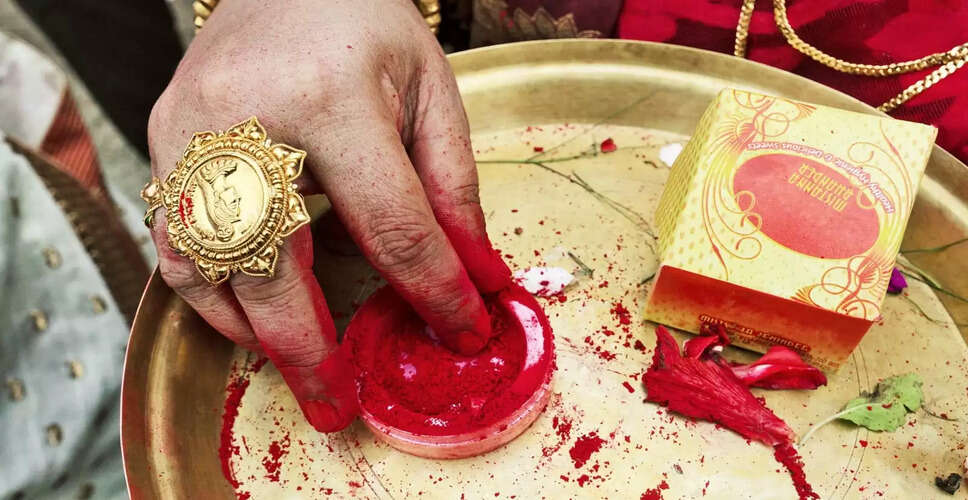
In Indian culture, the adornment of a married woman is considered incomplete without sindoor (vermilion). Every married woman applies sindoor in her hair parting as a symbol of her husband's name. Sindoor holds significant importance in Hinduism, with various beliefs surrounding its application, the most popular being that it contributes to the longevity of a husband.
The Market for Fake Sindoor
When sindoor is applied, it enhances a woman's beauty. However, many types of sindoor are available in the market, and it's crucial to discern whether they are genuine or counterfeit. A majority of the sindoor sold in stores is fake, often containing harmful chemicals that can adversely affect health.
Health Risks Associated with Fake Sindoor
Using fake sindoor can lead to issues such as hair loss or skin infections. Therefore, it is essential to identify authentic sindoor before making a purchase. This identification cannot be made solely by appearance, as both fake and real sindoor may look similar.
How to Differentiate Between Real and Fake Sindoor
To distinguish between real and fake sindoor, take a small amount and rub it on your palm. Try to blow it away; if it sticks to your hand, it is likely fake. Fake sindoor often contains chalk, synthetic colors, and lead, which prevent it from easily blowing away, while authentic sindoor will disperse easily.
Composition of Authentic Sindoor
You might wonder what authentic sindoor is made of and whether it is safe for the body. Genuine sindoor is entirely natural, derived from the Kampillaka plant. The seeds are extracted from its fruits, dried, and then ground into powder to create sindoor.
We recommend that every married woman avoid sindoor made from chemicals, as it poses risks to skin, hair, and overall health. Always opt for natural, authentic sindoor for the best results.