
Understanding the Impact of Rock Salt on Blood Pressure

The Global Challenge of High Blood Pressure
According to a report from the World Health Organization (WHO), around 1.4 billion adults globally are affected by hypertension, commonly known as high blood pressure. This condition not only heightens the risk of heart disease and heart attacks but also increases the chances of strokes and kidney issues.
Contributors to High Blood Pressure
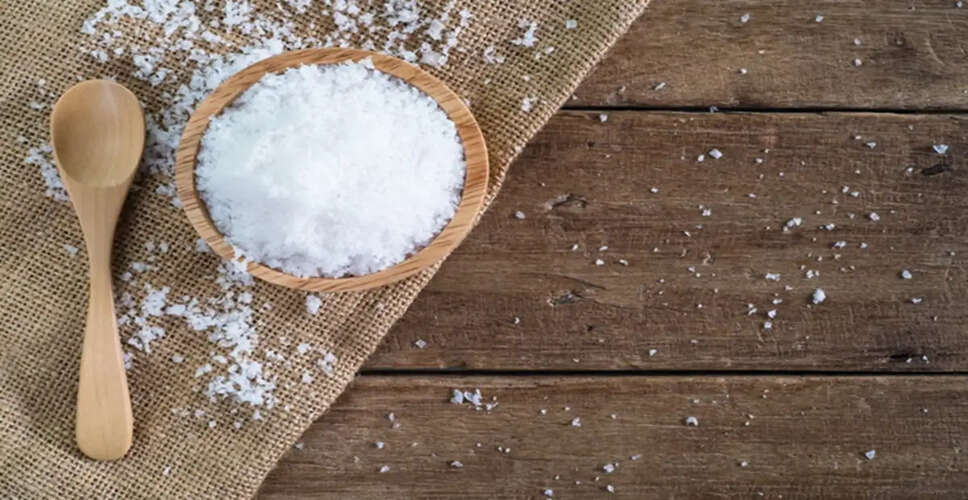
Research indicates that factors such as a lack of physical activity, a sedentary lifestyle, obesity, and high salt consumption are significant contributors to hypertension. Consequently, healthcare professionals often recommend reducing salt intake. In an attempt to lower their salt consumption, many individuals have turned to rock salt (*sendha namak*) instead of regular table salt, believing that its natural properties make it a healthier option.
The Truth About Rock Salt
But does switching to rock salt truly mitigate the risk of elevated blood pressure?
Effects of Rock Salt on Health
Medical studies suggest that rock salt may aid digestion and metabolism and help relieve muscle cramps. However, can it effectively manage blood pressure levels?
Experts clarify that rock salt is primarily made up of sodium chloride, similar to regular salt. Therefore, merely replacing white salt with rock salt does not eliminate the risk of high blood pressure. A report from the Mayo Clinic states that rock salt, sea salt, and Himalayan salt are all forms of sodium chloride, and consuming any of these in excess can lead to increased sodium levels in the body.
Understanding Sodium Intake Recommendations
Assessing the Risk to Blood Pressure
The WHO advises that adults should limit their salt intake to less than 2,300 milligrams daily. High sodium consumption can cause the body to retain water, resulting in elevated blood pressure.
Since rock salt is mainly sodium chloride, it also contains sodium. The issue arises when individuals mistakenly believe that increasing their rock salt intake is beneficial for blood pressure. While sodium is essential for bodily functions, excessive consumption can lead to hypertension. Thus, simply substituting table salt with rock salt does not provide any real advantage; the key is to keep overall salt consumption low.
Be Mindful of Sodium Sources
Limit Other Sodium Sources
Health professionals emphasize that sodium is not only found in added salt but also in many foods. Packaged and processed items often contain high sodium levels.
Snacks, chips, instant noodles, sauces, and pickles can all contribute significantly to sodium intake. Therefore, adding rock salt to these foods can further elevate total sodium consumption. Experts stress that simply reducing salt in meals is insufficient for managing blood pressure; it is crucial to consider other sodium sources as well.
Strategies for Managing Blood Pressure
Health experts recommend that individuals with high blood pressure focus on reducing overall sodium intake rather than just switching from table salt to rock salt. Gradually decreasing salt in your diet, breaking the habit of adding extra salt at the table, cutting back on savory and processed snacks, and checking food labels for sodium content are more effective strategies for maintaining good health.
Stay Informed
PC Social Media