
Understanding the HPV Vaccine: Debunking Myths and Highlighting Facts
The Importance of the HPV Vaccine
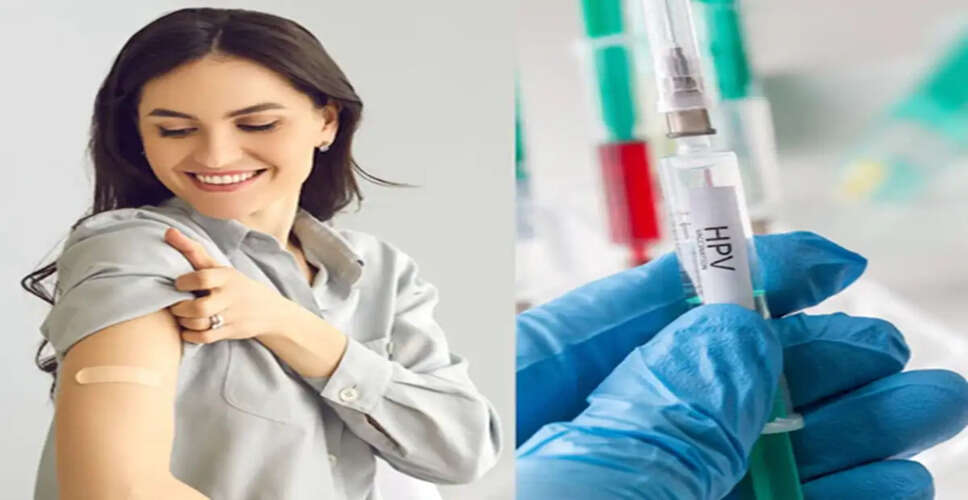
HPV Vaccine Myths vs. Facts: Cervical cancer poses a serious threat to women's health, resulting in numerous fatalities annually. This type of cancer is primarily caused by the Human Papillomavirus (HPV). In India, cervical cancer is a pressing health issue, but the good news is that an HPV vaccine is available to help prevent it. Medical professionals assert that the HPV vaccine is highly effective in reducing the risk of cervical cancer and also protects against other HPV-related diseases. Currently, free vaccinations are being offered to girls aged 9 to 14 across the nation to help combat cervical cancer. It's important to note that men should also receive the vaccine, as it guards against various serious conditions linked to HPV. Here are some essential facts about the HPV vaccine that everyone should know.
What is the HPV Vaccine?
What is the HPV Vaccine?
Dr. Sarika Gupta, who leads the Gynecology and Oncology Department at Action Cancer Hospital in New Delhi, explains that the HPV vaccine is designed to protect against the Human Papillomavirus (HPV). This virus is quite prevalent and can be transmitted through skin-to-skin contact. Often, HPV remains dormant in the body without showing symptoms; however, it can sometimes lead to genital warts and various cancers. The vaccine enhances the immune system's ability to recognize the virus and produce antibodies. As a result, if the virus enters the body later, the immune system can effectively neutralize it, providing protection against cervical cancer caused by HPV.
Why is the HPV Vaccine Important?
Why is the HPV Vaccine Administered?
The primary aim of the HPV vaccine is to shield women from cervical cancer. It is recognized as a highly effective preventive measure against cervical cancer, specifically targeting the cervix. Additionally, it lowers the risk of other cancers, including vaginal, vulvar, anal, and throat cancers. The HPV virus can also cause genital warts, leading to discomfort and potential infections. This vaccine plays a crucial role in preventing these issues.
Transmission and Causes of HPV in Women
How HPV Spreads in Women | What Causes HPV in Females
According to cancer specialist Sarika Gupta, the main route of HPV infection in women is through direct skin-to-skin contact, primarily during sexual intercourse. The virus can also enter through minor cuts or abrasions on the skin. HPV can be transmitted not only through bodily fluids but also via contact with the genital skin. In some cases, even condom use does not guarantee protection. While the immune system often clears the virus naturally, persistent infections can lead to cellular changes and serious complications, including cervical cancer. Therefore, timely vaccination against HPV is essential.
Who Should Receive the HPV Vaccine?
Who Should Get the HPV Vaccine?
Health experts recommend that the HPV vaccine is most beneficial when given at a young age, ideally before individuals become sexually active. It is particularly effective for girls aged 9 to 14, as their immune systems respond more vigorously to the vaccine, ensuring long-lasting protection. However, women aged 15 to 26 can also benefit from the vaccine. In many regions, it is now advised that boys receive the vaccine as well, since they can transmit HPV to their partners.
Medical professionals emphasize the importance of the HPV vaccine for boys too. Men can unknowingly carry the virus and transmit it to others. Vaccinating boys can help lower the risk of anal cancer and cancers of the oral cavity or throat. Furthermore, when both genders are vaccinated, it fosters herd immunity within the community, reducing the virus's spread.
Experts note that the HPV vaccine is generally not recommended for individuals over 45, as most have likely been exposed to some strain of the virus by that age. Since the vaccine only protects against new infections and does not treat existing ones, its effectiveness diminishes after this age. Additionally, the immune response may weaken as one ages.
HPV Vaccine: Myths and Realities
HPV Vaccine: Myths vs. Facts
There are several misconceptions regarding the HPV vaccine. Some individuals believe it is unsafe and may adversely affect future fertility. However, extensive scientific studies have shown that the vaccine is entirely safe and has been administered to millions globally. Another prevalent myth is that those with only one sexual partner do not need vaccination; in truth, the virus can still be transmitted through skin-to-skin contact.