
Understanding the Health Risks of Air Pollution


The Impact of Air Pollution on Health
Air pollution poses a significant threat to public health, contributing to a range of chronic illnesses. Experts warn that increasing pollution levels can lead to serious health complications, including respiratory issues and cardiovascular problems. Notably, during the months from October to January, pollution levels tend to rise sharply in various areas, particularly in Delhi-NCR. On November 22, the Air Quality Index (AQI) in Delhi was measured at 176, categorizing it as 'unhealthy'.
Recognizing the Signs of Pollution's Effects
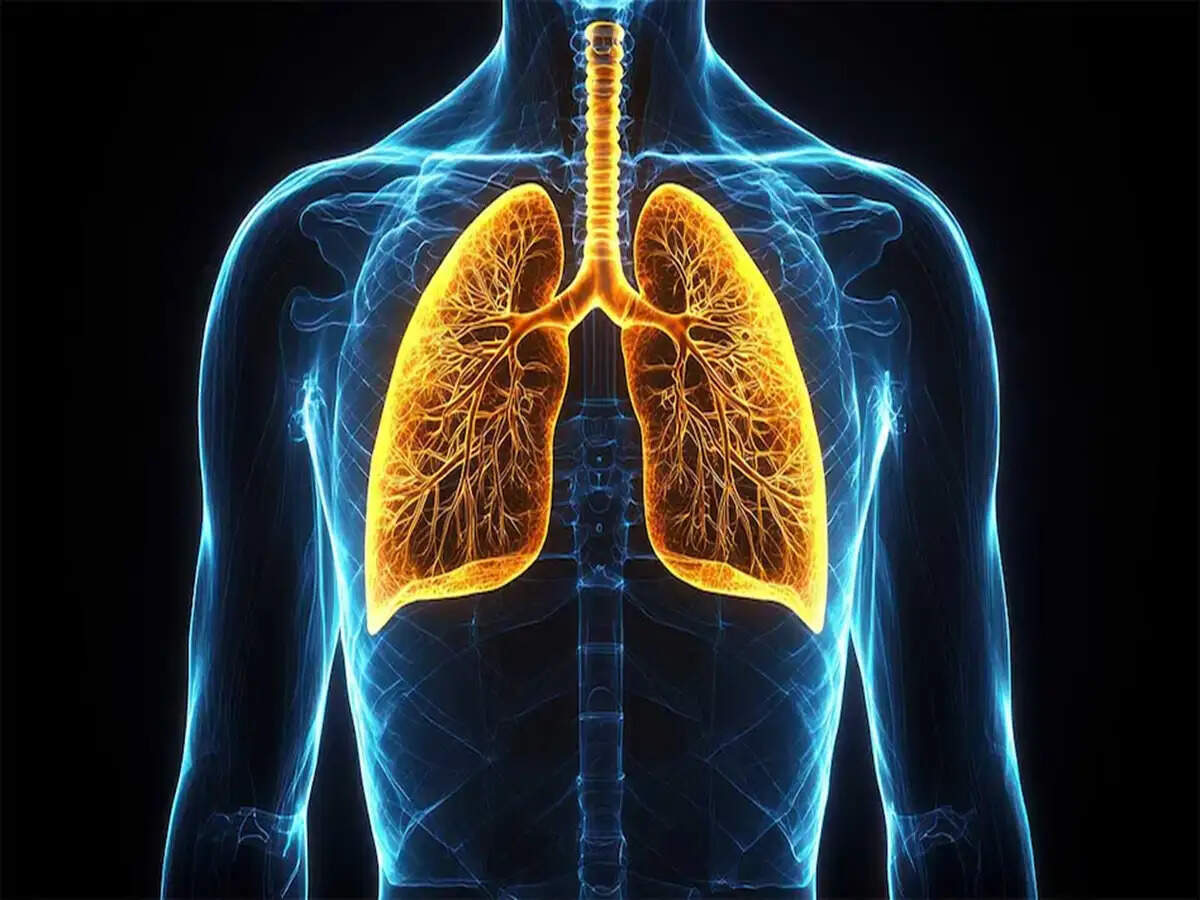
Research indicates that even brief exposure to polluted environments can pose health risks. Those living in areas with high pollution levels face an even greater risk of developing chronic health conditions. If you reside in Delhi-NCR, it’s essential to consider whether air pollution might be impacting your lung health.
Identifying the Risks of Air Pollution
Medical studies reveal that air pollution can lead to more than just minor irritations like coughing or sore throats; it can cause significant damage to lung tissue over time.
Fine particulate matter, particularly PM 2.5, can penetrate deep into the lungs, potentially causing inflammation. Many individuals overlook persistent symptoms such as coughing, shortness of breath, or chest discomfort, attributing them to seasonal changes or common colds. However, these symptoms may indicate that pollution is adversely affecting your lungs.
For those with existing health issues like asthma, COPD, or heart disease, exposure to polluted air can be especially harmful.
Assessing Your Lung Health
Are Your Lungs in Danger?
Experts highlight that the lungs are particularly susceptible to the harmful effects of air pollution. Often, we may experience health problems related to pollution but dismiss them as trivial, not realizing their potential to escalate into serious conditions. It is vital to be aware of the signs indicating pollution's impact on your lungs.
Be vigilant if you have:
- A persistent cough lasting several days.
- Difficulty breathing during everyday activities like walking or climbing stairs.
- A sensation of heaviness or pressure in the chest.
- Wheezing sounds while breathing.
- A sore throat, dryness, or frequent mucus buildup.
- Increased reliance on inhalers for those with asthma or COPD.
When to Seek Medical Attention
Consulting a Doctor
Health professionals warn that air pollution can lead to various health complications. If you are experiencing ongoing breathing difficulties or throat issues, it is crucial not to ignore these symptoms.

If you have a persistent cough, experience shortness of breath, wheezing, or chest tightness, it is advisable to consult a healthcare provider for a thorough evaluation. Severe symptoms such as extreme difficulty breathing, intense chest pain, bluish lips, or sudden weakness require immediate medical attention.
Experts stress that children, the elderly, pregnant women, and those with chronic illnesses are particularly at risk from pollution's effects. Therefore, any symptoms in these groups should be taken very seriously.