
Understanding the Health Impacts of Chhath Puja's Waterless Fast
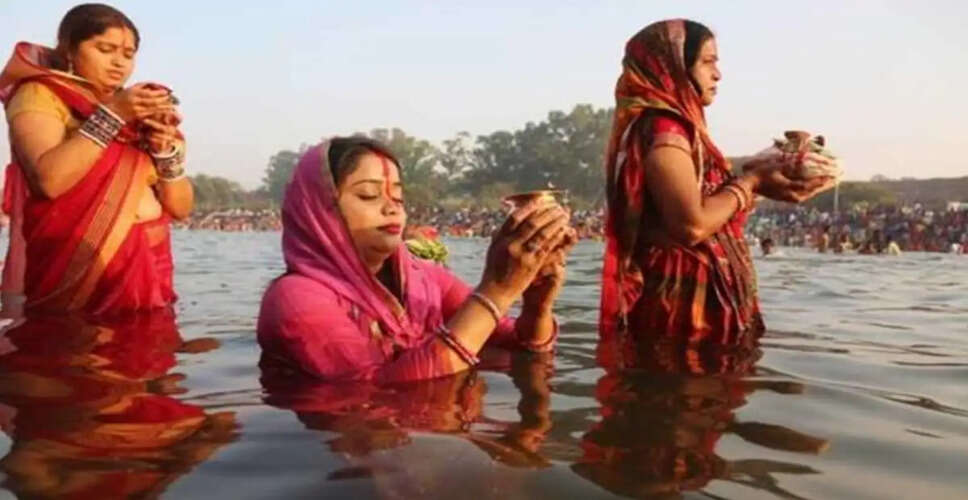

Chhath Puja: A Festival of Faith and Devotion
This year, the revered festival of Chhath will commence on November 13th, following Diwali, starting with the 'Nahay-Khay' ritual. Chhath represents deep faith, devotion, and strict penance. Observers of this fast, known as vratis, endure a challenging 36-hour period without food or water, referred to as a 'nirjala' fast. This rigorous fasting begins after the 'Kharna' ritual and concludes with the offering of 'arghya' to the rising sun.
Physiological Changes During a Waterless Fast
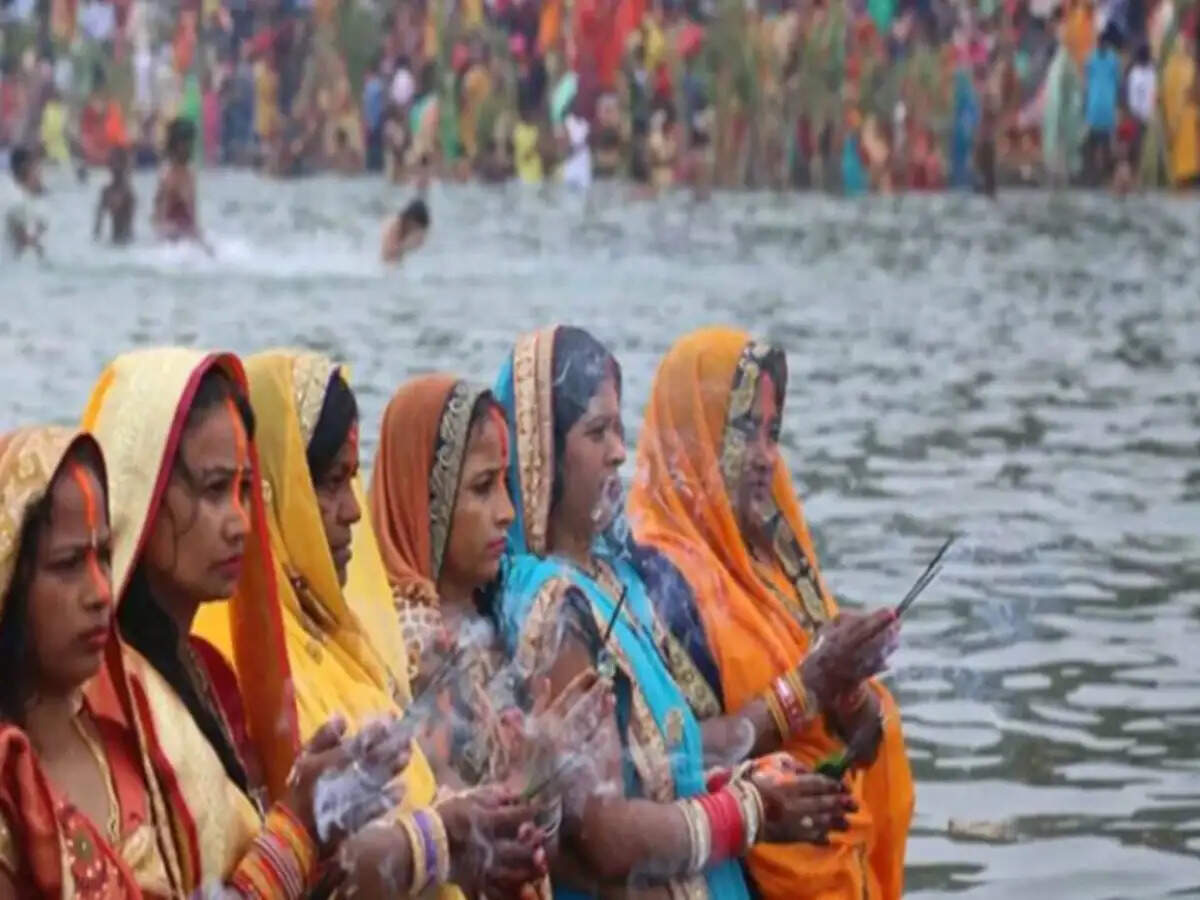
Devotees adhere to the rules of this fast with great commitment, but have you ever considered how the body copes without food and water for such a long duration? The body undergoes several physiological changes during a waterless fast, which can be quite taxing from a scientific standpoint.
Energy Sources During Fasting
The body begins to draw energy from stored fat.
When food is consumed, the body stores some of that energy as glycogen in the liver and muscles, serving as an energy reserve. In the absence of food for an extended period, the body first taps into these glycogen reserves. During a fast lasting between 18 to 36 hours, glycogen levels in the liver can become significantly depleted, prompting the body to rely more on stored fat for energy. This process generates ketones, which supply energy to various body parts.
Water Conservation Mechanisms
The kidneys conserve water during periods of scarcity.
Water is crucial for blood circulation, temperature regulation, and waste elimination. Prolonged water deprivation leads to dehydration. In response, the brain releases an 'antidiuretic hormone' that instructs the kidneys to retain water, resulting in decreased urine output and darker urine.
Effects on Heart and Brain Function
Impact on the heart and brain
Insufficient water can lower blood volume, risking a drop in blood pressure. Consequently, individuals fasting may experience dizziness, weakness, or blurred vision upon standing. Additionally, the heart rate may increase as the body strives to maintain blood flow to essential organs. Heat and excessive sweating can worsen these symptoms.
Electrolyte Imbalance Risks
Disruption of the sodium-potassium balance
Sodium and potassium are vital for the proper functioning of the heart, nerves, and muscles. A lack of fluids during a waterless fast can disturb the balance of these minerals, potentially causing muscle cramps, weakness, and irregular heartbeats. Severe dehydration may also impair blood flow to the kidneys, risking kidney damage.
Health Precautions During Chhath
Important considerations
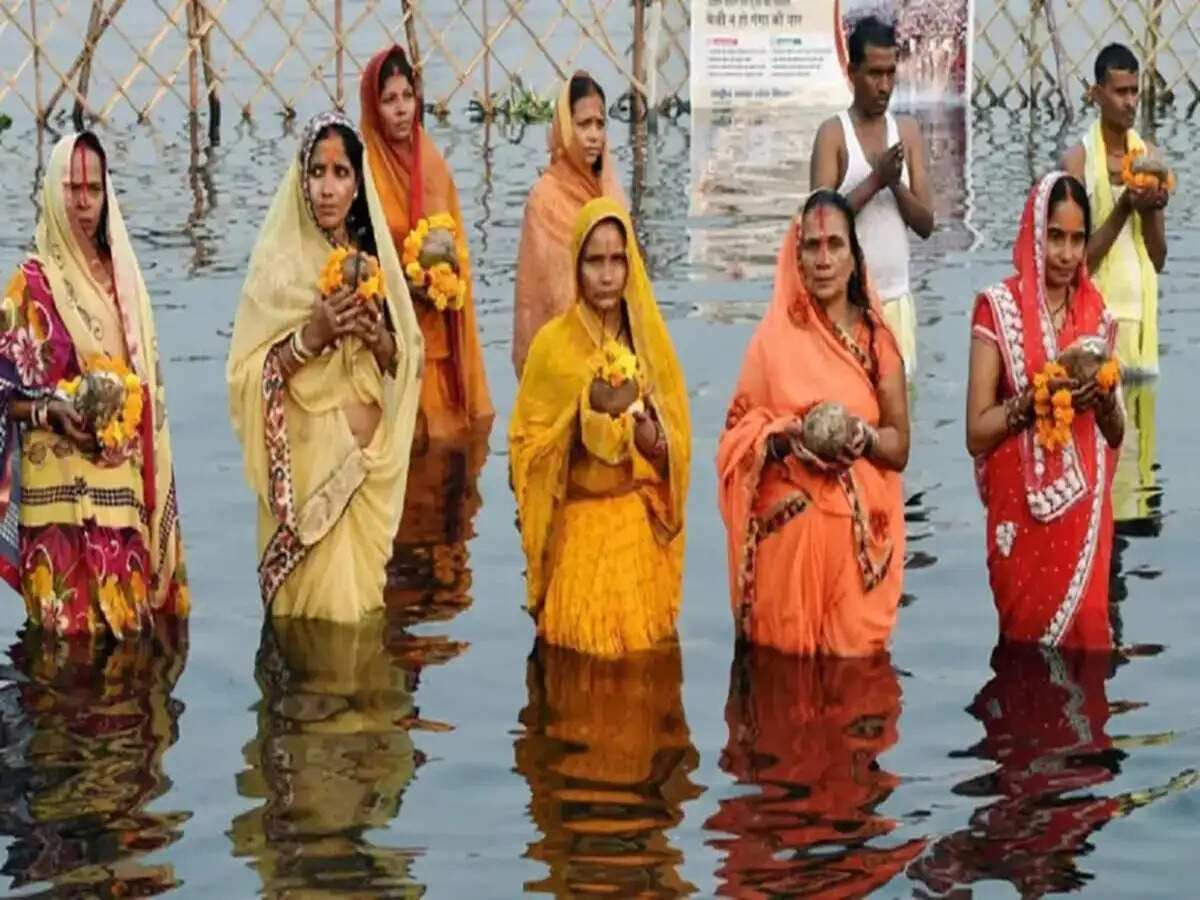
While the Chhath fast is rooted in profound faith, it is crucial to prioritize health. Extended periods without water can lead to severe dehydration and other health issues. Those with pre-existing health conditions should consult a healthcare professional before participating in a waterless fast. If symptoms like dizziness, fainting, confusion, or extreme weakness arise, immediate medical attention is necessary.
Conclusion
PC Social Media