
Understanding the Health Benefits of Cow Ghee vs. Buffalo Ghee
Exploring Low Cholesterol Ghee
Low Cholesterol Ghee: In Indian households, ghee serves not only as a flavor enhancer but also as a vital health ingredient. Whether used for tempering lentils or making soft rotis, ghee is an essential part of cooking. A common question arises: Is cow ghee superior to buffalo ghee? Although they may appear similar, their properties, flavors, and health benefits differ significantly. Many people believe that buffalo ghee has a higher fat and cholesterol content, while cow ghee is more beneficial for heart and digestive health. Let’s delve into the distinctions between these two types of ghee and determine which is the healthier option.

Color and Texture Variations:
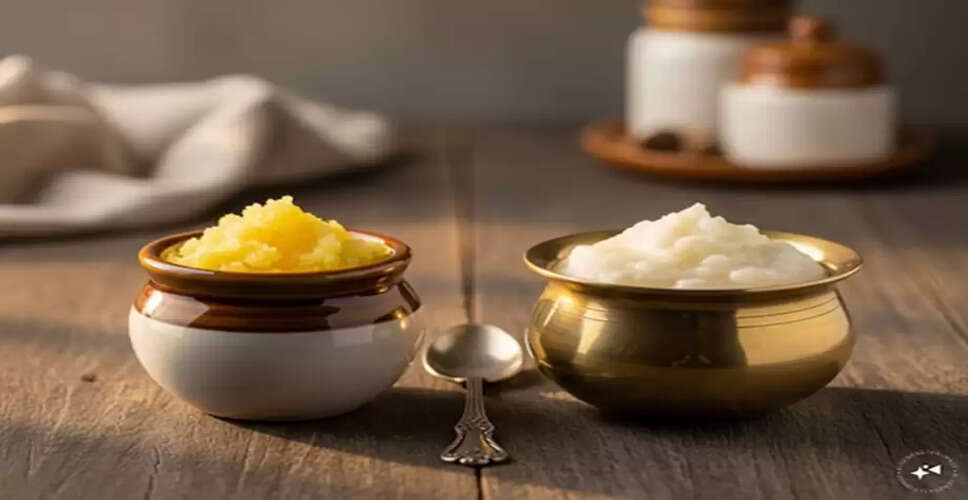
Cow ghee is typically a pale yellow shade with a subtle aroma, making it light and easy to digest. In contrast, buffalo ghee is white and denser, offering a richer and heavier flavor. Consuming buffalo ghee may lead to a sensation of fullness, whereas cow ghee is perceived as lighter.
Insights from Ayurveda:
Ayurvedic principles classify cow ghee as "sattvic," which is believed to soothe both body and mind, enhancing digestion and maintaining a cool internal temperature.
Conversely, buffalo ghee is labeled as "tamasic," which is thought to boost strength and energy levels. It is often recommended for individuals looking to gain weight or those needing extra energy.
Digestive Benefits:
Cow ghee is lighter and more conducive to digestion, making it suitable for daily meals. It aids in detoxifying the body and is appropriate for all age groups, from children to seniors.
Buffalo ghee, being richer in fat and calories, takes longer to digest, making it more suitable for individuals in colder climates or those engaged in physically demanding activities.
Cholesterol and Fat Comparison:
Buffalo ghee has a higher fat and cholesterol content, so individuals with heart issues should limit their intake. In contrast, cow ghee is lighter and contains a greater proportion of healthy fats (HDL), which are advantageous for overall health. For those focused on heart health or weight management, cow ghee is the preferable option.
Taste and Culinary Uses:
Due to its rich flavor and texture, buffalo ghee is often used in desserts and festive dishes. Cow ghee, however, is ideal for everyday cooking, including lentils, flatbreads, vegetables, or khichdi.
Both types of ghee have a high smoke point, making them suitable for frying or tempering.
Storage and Longevity:
Buffalo ghee, being more fatty, has a longer shelf life and can be stored for months. Cow ghee, being lighter, is best consumed within a shorter timeframe.
Making the Right Choice:
If you seek a healthy, light ghee that integrates seamlessly into daily meals without hindering digestion, cow ghee is the ideal choice.
However, if your goal is to gain weight, maintain an active lifestyle, or require an energy boost during winter, buffalo ghee may be a suitable alternative.
Both types of ghee offer unique benefits; the choice ultimately depends on your individual health needs. Cow ghee is gentle on the heart and digestive system, while buffalo ghee provides strength and vitality. Therefore, when purchasing ghee, make an informed decision, as the right choice can enhance both your meals and your health.
PC Social Media