
Understanding the Effects of Rainwater on Skin and Hair
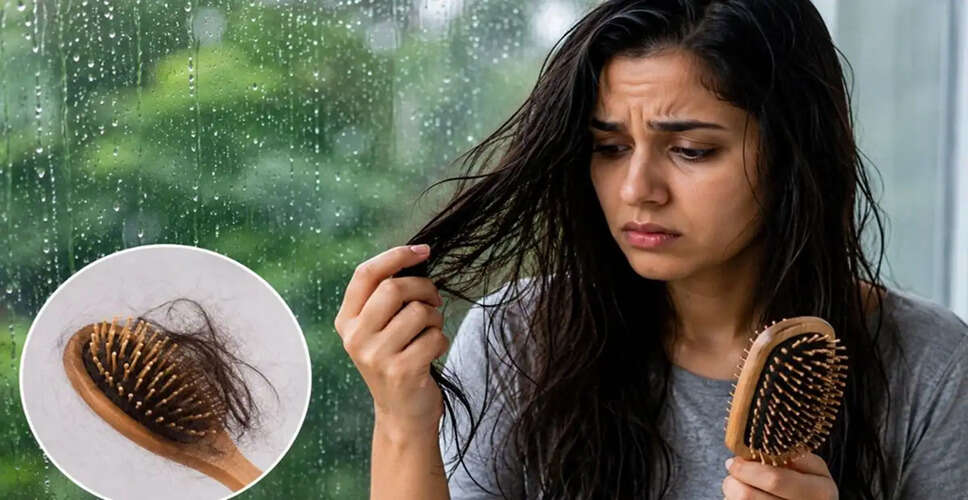

Does Rainwater Affect Your Skin and Hair?
The arrival of the monsoon season brings refreshing breezes and rainfall. While many enjoy the experience of being in the rain, it raises the question: is it beneficial or harmful for your skin and hair?
Experts indicate that the initial rainwater can carry dust, smoke, bacteria, and various pollutants from the air, which may negatively impact both skin and hair.
Nevertheless, with appropriate care and by cleansing your skin and hair promptly after exposure, these potential issues can be mitigated. Let’s delve into how rainwater interacts with skin and hair, along with the necessary precautions to safeguard them.
Effects of Rainwater on Skin
1. Skin Irritation and Allergies
Rainwater is not completely clean. Particularly during the first rainfall, it mixes with atmospheric dust, smoke, chemicals, and pollutants. As a result, individuals with sensitive skin may suffer from itching, redness, irritation, and allergic reactions.
2. Higher Risk of Fungal Infections
The humidity during the monsoon is elevated. Remaining in damp clothing for extended periods can promote fungal growth in sweat-prone areas, leading to conditions like ringworm, itching, and rashes.
3. Acne and Oily Skin Issues
Increased humidity can make skin oilier. If dirty rainwater dries on your face without being washed off, it may clog pores, resulting in more pimples and blackheads.
4. Effect on Skin's Natural Barrier
Pollutants in rainwater can compromise the skin's outer protective layer, leaving it feeling dry, dull, and sensitive.
Effects of Rainwater on Hair
1. Loss of Hair Moisture
Rainwater can strip hair of its natural moisture and oils, leading to a dry, frizzy, and lifeless appearance.
2. Hair Fall Concerns
Hair is most vulnerable when wet. If not properly cleaned and dried after rain exposure, dirt can accumulate on the scalp, increasing the likelihood of hair breakage and loss.
3. Dandruff and Scalp Infections
Keeping hair wet for prolonged periods after rain can create a breeding ground for fungus and bacteria, potentially resulting in dandruff, itching, and scalp infections.
4. Hair Tangling and Breakage
Pollutants and moisture in rainwater can damage the hair's cuticle layer, making it more susceptible to tangling and breakage during combing.
Post-Rain Care Tips
After getting wet in the rain, it is advisable to:
- Thoroughly wash your hair and face with clean water
- Use a gentle shampoo and conditioner
- Dry your skin well and apply moisturizer
- Avoid combing wet hair
- Refrain from wearing damp clothes for long periods
- Keep your body dry to prevent fungal infections
- Stay hydrated and maintain a balanced diet
Is Getting Wet in the Rain Harmful for Everyone?
For most people, being in the rain for a short duration is not harmful. However, those with sensitive skin or conditions like eczema, psoriasis, allergies, recurrent fungal infections, or significant hair loss should avoid getting wet. Rain that falls after the initial showers is generally cleaner than the first rain. If you experience ongoing itching, rashes, blisters, severe hair loss, or scalp infections after rain exposure, consulting a dermatologist is recommended.
PC Social Media