
Understanding the Effects of Air Pollution on Diabetes Management


The Connection Between Pollution and Diabetes
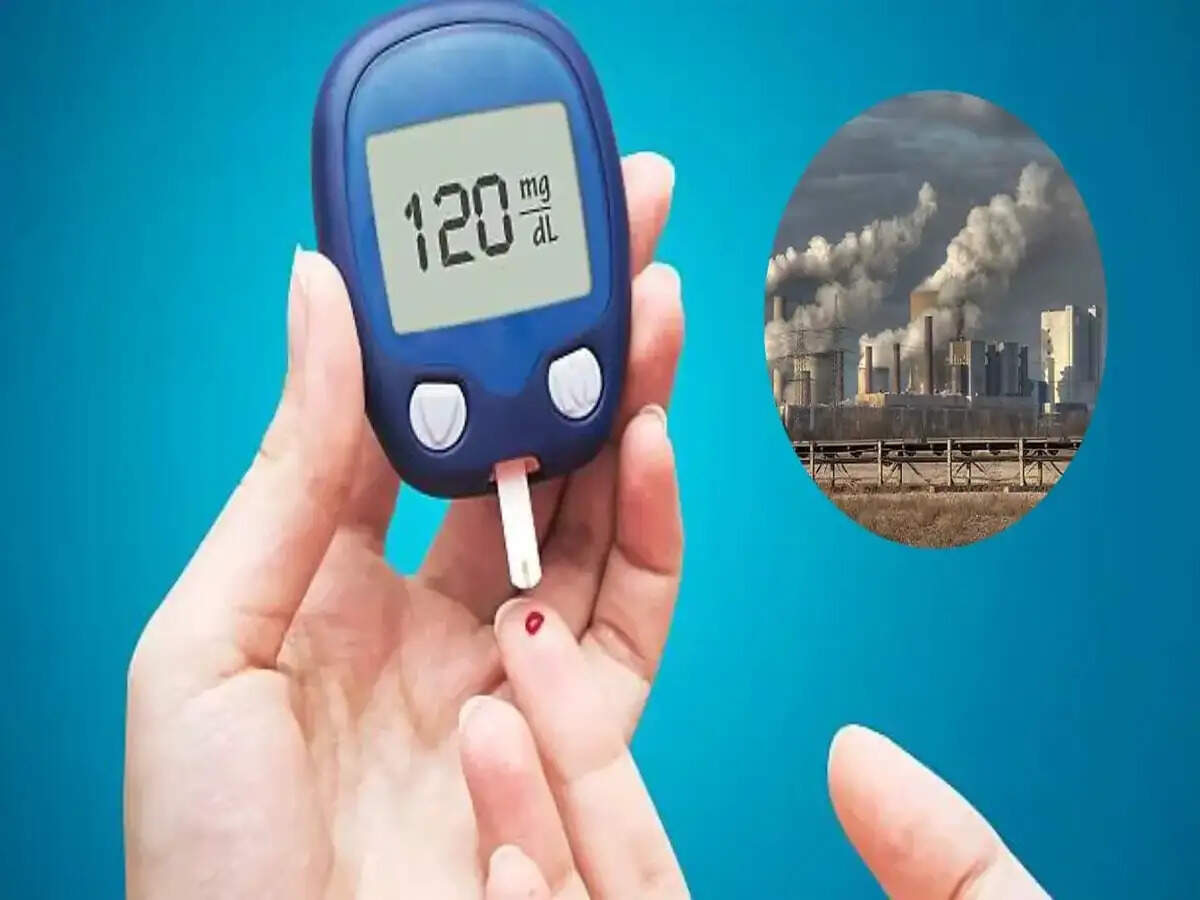
How Pollution Affects Diabetes: Air pollution is laden with PM 2.5 particles, which carry harmful substances like nitrogen oxides, sulfur dioxide, ammonia, and various heavy metals. These particles can be carcinogenic, posing serious health risks. When inhaled, this polluted air infiltrates the lungs and spreads throughout the body, creating significant challenges for individuals with diabetes, who are already managing multiple health issues. To gain further insights, we turn to diabetologist Dr. Paras Agarwal.
The Severity of Pollution's Impact
Understanding the Damage:
Dr. Agarwal elaborates that when pollution enters the lungs, it reaches the alveoli, the tiny air sacs where oxygen is absorbed into the bloodstream. The presence of these pollutants can cause inflammation in the lung cells, leading to breathing difficulties. Even healthy individuals may experience adverse effects if exposed to high levels of pollution. Moreover, these harmful particles can penetrate the air-blood barrier, entering the bloodstream and causing oxidative stress, which damages cellular structures, including proteins and DNA.
The Role of Oxidative Stress in Diabetes
Oxidative stress results in the production of pro-inflammatory cytokines, which, while intended to protect cells, can lead to tissue damage when present in excess. This disruption affects insulin signaling in muscle, liver, and fat tissues, making it difficult for cells to utilize insulin effectively. As a result, individuals with diabetes may see a rise in blood sugar levels, necessitating precautions against pollution exposure.
Protective Measures for Diabetic Patients
Strategies for Staying Safe:
To safeguard against pollution, Dr. Agarwal recommends that diabetic patients limit outdoor activities during high pollution days. If going outside is unavoidable, wearing an N-95 mask and covering the body is essential. It's advisable to stay indoors, especially during times of poor air quality, and to engage in light exercise at home. Utilizing air purifiers and keeping windows shut can also help. Regular medication adherence and consistent blood sugar monitoring are crucial, along with a diet rich in fruits and vegetables.
Stay Informed and Healthy
PC Social Media