
Understanding the Ebola Virus: Symptoms and Precautionary Measures
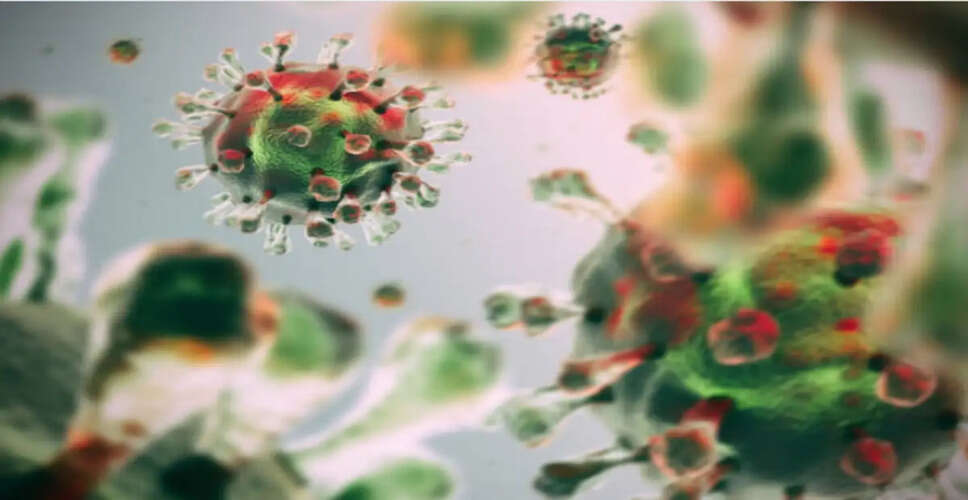

Ebola Virus Overview
The Ebola virus is a serious viral infection that has recently prompted the World Health Organization (WHO) to label it a global health emergency due to a surge in cases. Following the outbreak in the Democratic Republic of the Congo and Uganda, which has been classified as a 'Public Health Emergency of International Concern,' the Karnataka government has heightened its alert status. In response to this potential threat, the state is enhancing its surveillance and health readiness. India is also on high alert due to the rising number of Ebola cases, with special centers established in Bengaluru and Mangaluru. The Rajiv Gandhi Institute of Chest Diseases in Bengaluru has been designated as an isolation facility after several suspected cases emerged in the area. Initial samples from these individuals will be tested at the National Institute of Virology (NIV) in Bengaluru before being sent to the NIV in Pune for confirmation.
Current Situation in India
No Ebola Cases Reported in India
The Health Department has confirmed that there have been no reported cases of Ebola in India so far. However, due to international travel and trade, precautionary measures are being reinforced.
What is Ebola?
Understanding Ebola
Experts describe Ebola as a highly severe and potentially fatal viral disease. It can be transmitted through contact with infected individuals or animals. Symptoms can escalate quickly, starting with a general fever that can worsen significantly. The virus spreads through direct contact with the blood, organs, or bodily fluids of an infected person, and contaminated items like clothing and syringes can also pose a risk. Healthcare workers and those close to infected patients are at the highest risk of contracting the virus.
Transmission and Prevention
How Ebola Spreads
Ebola can spread in several ways:
- Through contact with the blood or bodily fluids of an infected person.
- Through contact with infected animals.
- By touching contaminated objects.
Preventive Measures
To reduce the risk of infection, maintain a safe distance from infected individuals, wash hands frequently with soap, and use masks and gloves.
When to Seek Medical Help
Recognizing Symptoms
If you experience symptoms such as high fever, persistent weakness, vomiting, diarrhea, or bleeding, it is crucial to seek medical attention immediately. Early treatment and isolation are vital in managing Ebola effectively.
Symptoms of Ebola
Symptoms typically manifest between 2 to 21 days after exposure to the virus and may include:
- High fever
- Weakness and fatigue
- Headache
- Muscle pain
- Sore throat
- Vomiting and diarrhea
- Abdominal pain
- Red rashes on the body
- Reddening of the eyes
- Internal and external bleeding
- Difficulty breathing
Health Department Recommendations
Advice from Experts
Health officials advise that while there is no need for panic, it is essential to remain vigilant. With timely testing, monitoring, and preventive measures, the risk of Ebola infection can be significantly reduced.
Stay Informed
PC Social Media