
Understanding the DINK Trend Among Modern Couples


Exploring the DINK Trend
In today's world, many couples are embracing the DINK lifestyle, which stands for Dual Income No Kids. This trend has emerged largely due to rising living costs and inflation. But what exactly does this trend entail, and why are married couples opting for it?
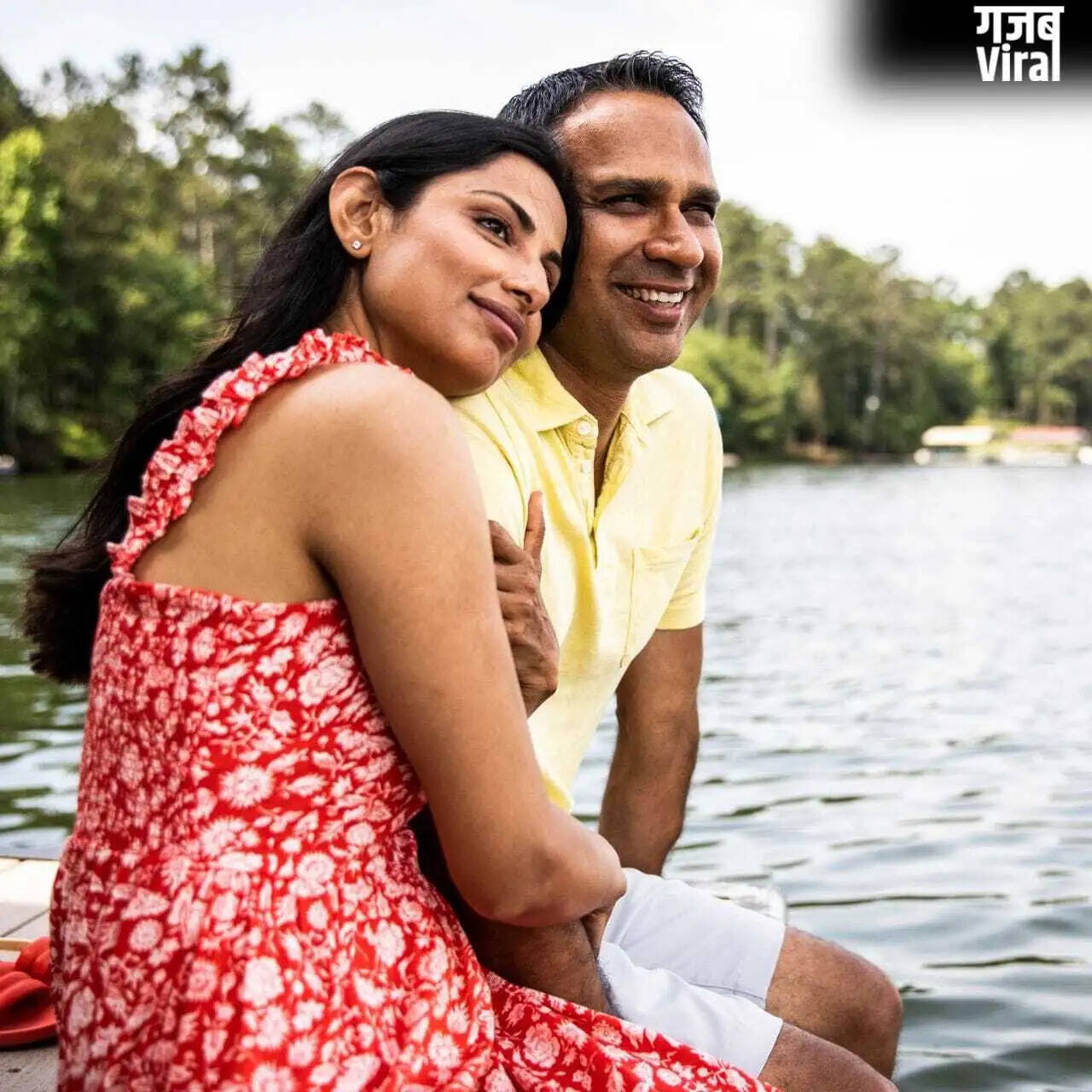
What Does DINK Mean?
The DINK concept signifies that both partners in a marriage earn income while choosing not to have children. This approach is becoming increasingly popular as couples prioritize financial stability over starting a family. In the current economic climate, both partners often feel the need to contribute financially while avoiding the responsibilities that come with parenthood.
The Importance of Dual Incomes
In recent years, particularly following the COVID-19 pandemic, inflation has surged, leading many to take on debt. Traditionally, Indian society expected wives to manage household duties while husbands earned a living. However, this mindset is shifting, with both partners now feeling the pressure to work or run a business.
Avoiding Parental Responsibilities
Couples who adopt the DINK lifestyle often prefer to avoid the responsibilities that come with raising children. This mindset has been prevalent in many Western cultures for years and is now gaining traction among Indian couples. The financial and emotional burdens of having children can significantly increase after their arrival.
Is This Approach Beneficial?
Focusing on dual incomes can be advantageous, especially in today's economy. While initially, not having children may provide a sense of freedom, it could lead to negative consequences later in life as individuals age.
Pregnancy After 35
It's been observed that modern couples often follow the DINK trend in the early years of marriage. However, some women decide to pursue pregnancy after the age of 35. This can lead to increased expenses, as conceiving at this stage can be more challenging.