
Understanding the Differences in Roti, Paratha, and Puri Dough
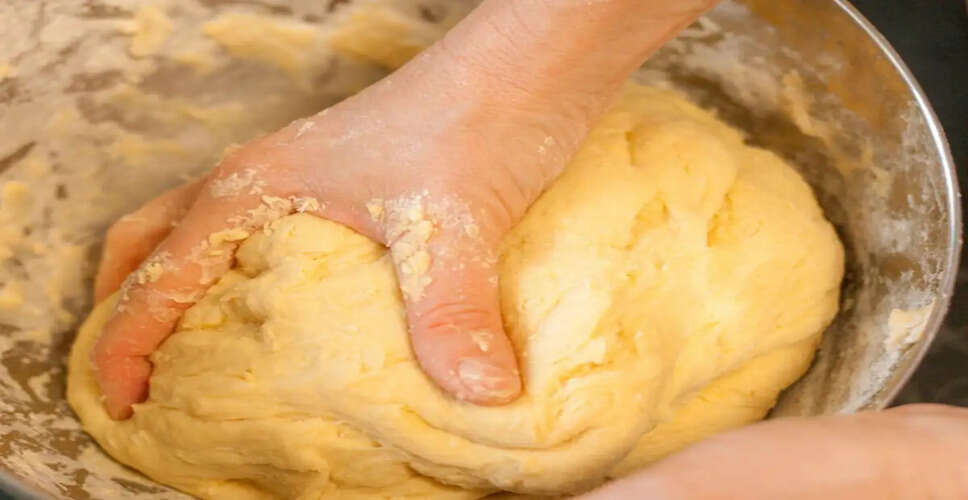

Exploring Roti, Paratha, and Puri Dough Variations
Roti, Paratha, and Puri Dough Differences: Have you ever noticed that the *rotis* you prepare at home don't quite match the ones from a *dhaba* (roadside eatery)? Or wondered how professional confectioners (*halwais*) achieve those perfectly puffed *puris*? A common mistake is using the same kneading method for all three types, which can significantly affect the outcome.
The unique texture and taste of *roti*, *paratha*, and *puri* hinge on the specific characteristics of their doughs. The pliability and firmness of the dough dictate whether the *roti* is soft, the *paratha* is flaky, or the *puri* is crispy. Let’s delve into the appropriate kneading techniques for each of these distinct types.
What Sets Roti, Paratha, and Puri Dough Apart? (Roti vs. Paratha vs. Puri Dough)
1. Roti Dough: Soft, Pliable, and Simple
The hallmark of *roti* dough is its softness. Here are some key points to consider when making it:
Texture: The dough for *roti* should be kneaded until it reaches a soft and pliable state. It must not be too stiff or overly sticky.
Ingredients: Generally, this dough is made with just flour and water, although a pinch of salt can be added for flavor.
Pro Tip: After kneading, allow the dough to rest for 15–20 minutes. This resting period enhances elasticity, ensuring that the *rotis* puff up nicely and stay soft longer.
2. Paratha Dough: Medium-Firm and 'Rich.'
*Paratha* dough is slightly firmer than *roti* dough, allowing it to hold up against the application of *ghee* (clarified butter) and cooking heat:
Texture: It should be kneaded to a firmer consistency to create distinct layers when rolled out.
Stuffing Tip: For stuffed *parathas*—like those filled with potatoes (*aloo*) or cauliflower (*gobhi*)—keep the dough slightly firm. This prevents the filling from leaking during rolling, ensuring the *paratha* remains intact. Ingredients: To enhance flavor and crispiness, add *moyan* (oil or ghee) or a bit of yogurt to the flour. This helps the parathas cook evenly on the griddle and achieve a flaky texture.