
Understanding the Differences Between Thekua and Khajuri During Chhath Festival

The Essence of Chhath and Its Culinary Offerings
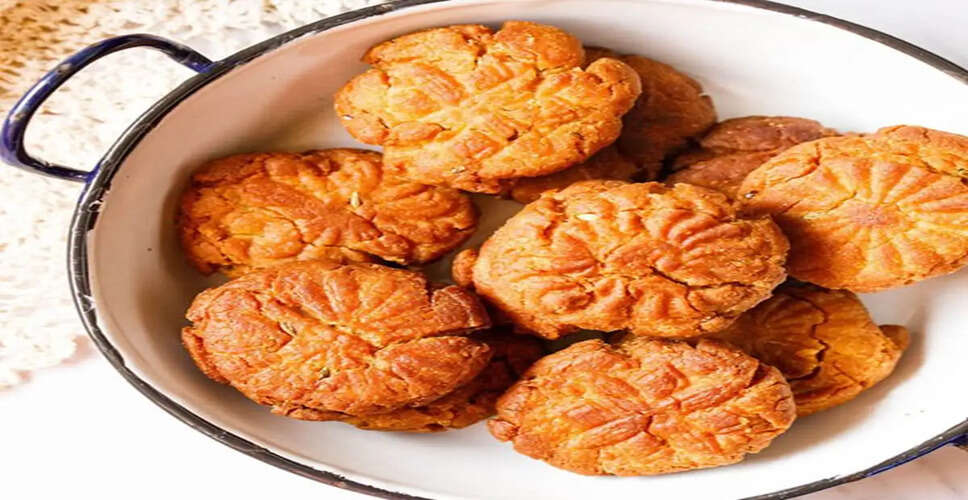
Chhath, a significant festival celebrated with immense devotion, brings to mind the delicious *thekua*. This traditional sweet is well-known even among those who may not have ties to the Bihar or Purvanchal regions, as it is a vital part of the *arghya* (offerings) during Chhath Puja.
Distinguishing Thekua from Khajuri
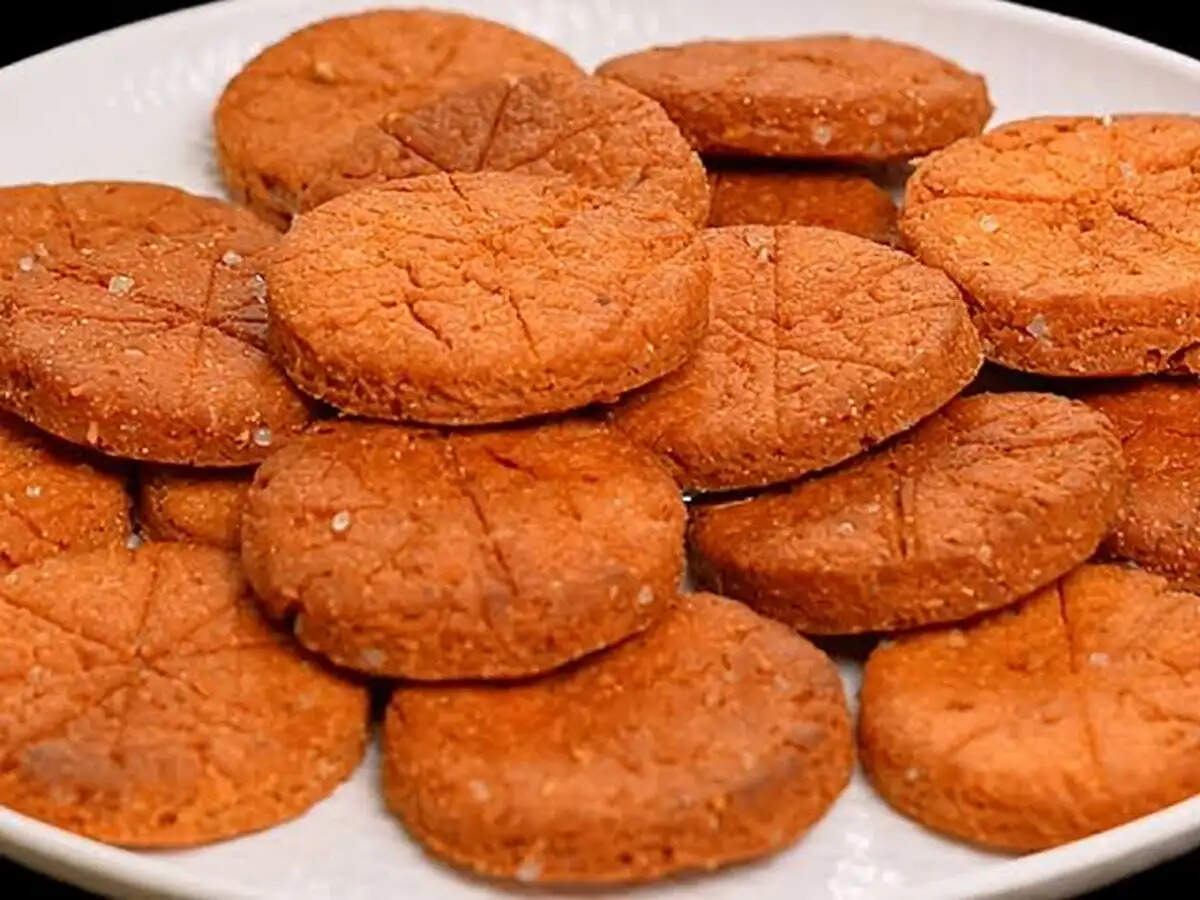
Despite their similarities, many people confuse *thekua* with *khajuri*. Both have a brownish color and a somewhat alike appearance, but they differ significantly in taste and texture. Let’s delve into how these two delicacies contrast.
Texture and Structure
*Thekua* features a slightly coarse outer layer, while its interior is both crisp and soft. The dough is shaped using a mold, creating intricate designs, and it typically takes on a round form. In contrast, *khajuri*, named for its date-like shape (*khajur*), tends to be crunchier than *thekua*.
Ingredient Differences
As the *maha-prasad* for Chhath Puja, *thekua* is crafted from whole wheat flour and jaggery (*gur*). It incorporates pure *ghee* as a shortening agent (*moyna*), along with flavor enhancers like cardamom, fennel seeds, and desiccated coconut. The dough is meticulously worked to achieve a crisp, flaky consistency.
On the other hand, *khajuri* is made with refined flour (*maida*) and requires less shortening compared to *thekua*. It is sweetened with sugar, resulting in a crunchier texture.
Cultural and Religious Importance
*Thekua* holds a special place as a *maha-prasad* during Chhath Puja, forming an essential part of the offerings (*arghya*). It is prepared with utmost purity, and it is considered inappropriate to taste it before it is offered.
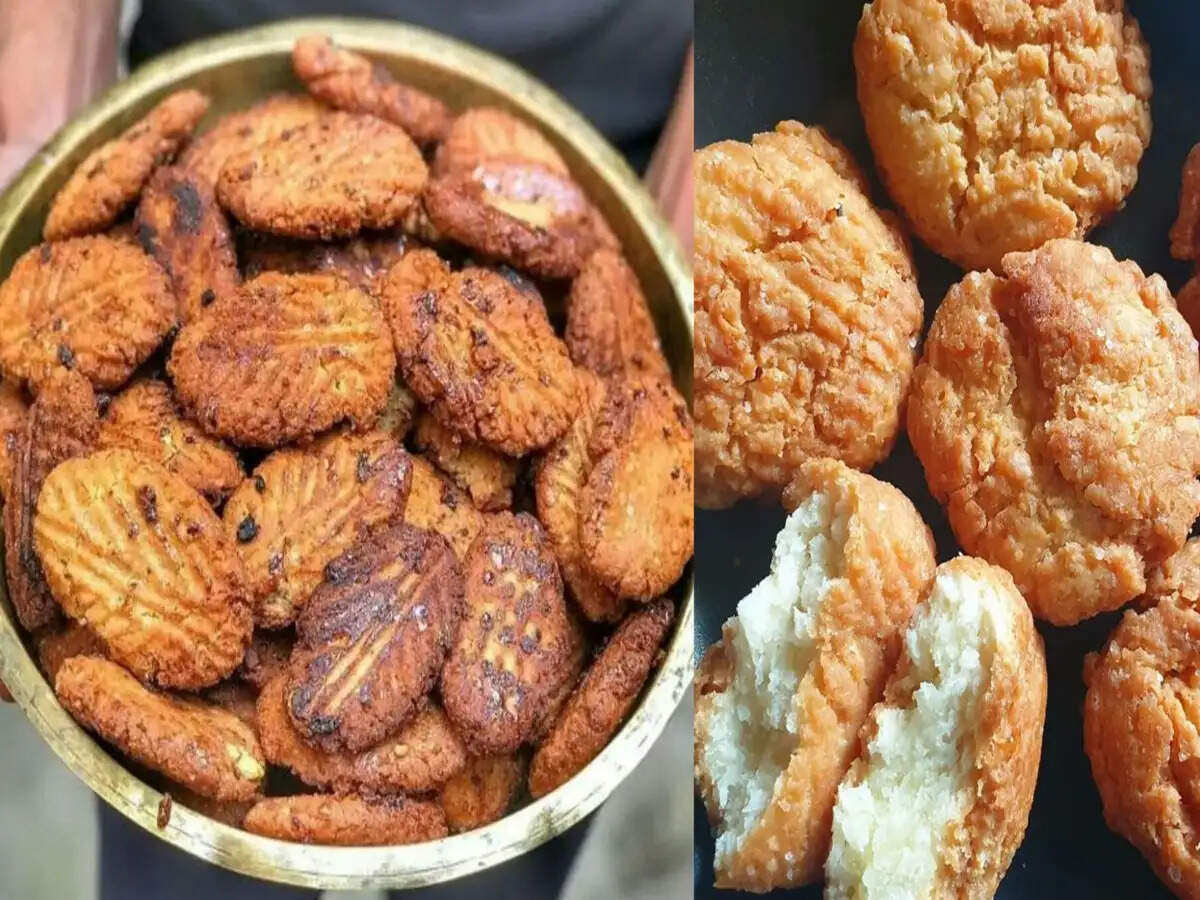
Conversely, while *khajuri* can also be presented as *prasad* during Chhath, it is more commonly enjoyed as a snack. Although it bears resemblance to *thekua*, its role in the festival is not as significant.
Conclusion
PC Social Media