
Understanding the Differences Between Lehenga Choli and Chaniya Choli
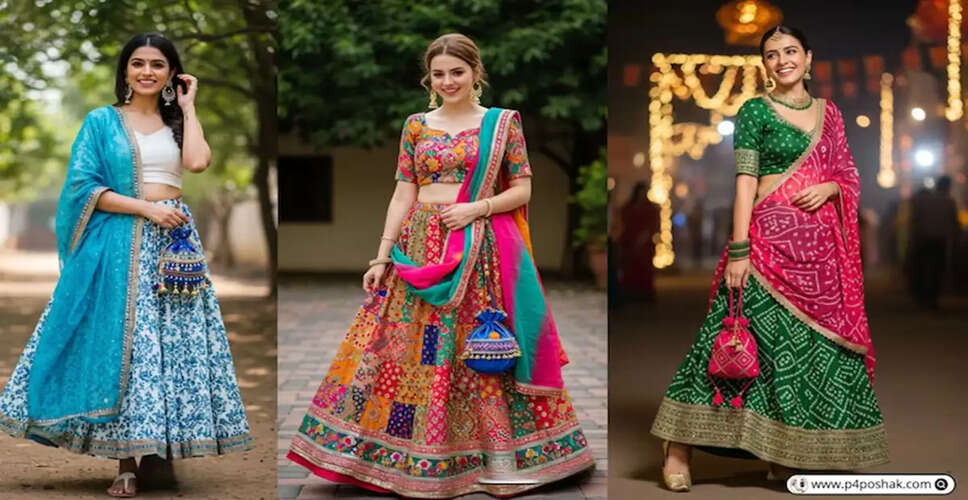

Lehenga Choli vs. Chaniya Choli
Lehenga Choli vs. Chaniya Choli: When it comes to traditional Indian attire, sarees and lehengas often top the list for women. Ethnic clothing gains a unique charm during weddings, festivals, and Garba nights, with Lehenga Choli and Chaniya Choli being the most favored options.
At first glance, both outfits may seem alike, as they consist of a long skirt, a blouse (choli), and a dupatta. This similarity leads many to mistakenly use the terms interchangeably. However, in fashion, there are notable differences in their construction, embroidery, and cultural significance. Let's explore the distinctions between Lehenga Choli and Chaniya Choli in straightforward terms.
Cultural Roots and Identity
Chaniya Choli:
The term 'Chaniya Choli' is deeply embedded in the cultures of Gujarat and Rajasthan. This traditional outfit from Western India, especially Gujarat, is worn with great enthusiasm during Navratri and Garba-Dandiya festivities. Here, 'Chaniya' refers to the traditional skirt.
Lehenga Choli:On the other hand, 'Lehenga Choli' has a wider appeal. It is a common choice for weddings and grand celebrations across India, particularly in North Indian states like Uttar Pradesh, Delhi, and Punjab. Its popularity surged during the Mughal era, becoming a staple in royal courts and eventually throughout the country.
Construction and Flare
Chaniya of the Chaniya Choli:
The *chaniya* is traditionally designed to be lightweight and airy, allowing for ease of movement while dancing. It typically features a voluminous flare, with stitching that reflects traditional rural craftsmanship. Many *chaniyas* showcase hand-stitching, patchwork, and local weaving techniques.
Lehenga of the Lehenga Choli:In contrast, the *lehenga* is usually more structured, heavier, and tailored for formal events like weddings or receptions. *Lehengas* come in various styles, including A-line, fish-cut, panelled, or circular, often enhanced with can-can netting for added volume.
Embroidery and Embellishments
Characteristics of Chaniya Choli:
The *chaniya choli* is celebrated for its vibrant colors and traditional folk art style. It often features *Akbari* work, mirror work, *Abha* work, patchwork, *Bandhani*, and *Leheriya* prints, along with traditional *Gota-Patti* work. The colors are bright and energetic, including shades like yellow, red, green, and fuchsia pink, which enhance the festive atmosphere.
Characteristics of Lehenga Choli:Conversely, the *lehenga choli* is known for its intricate and regal craftsmanship. It showcases elaborate embroidery using materials such as *Zari*, *Zardosi*, *Gota*, *Katdana* (cut beads), sequins, and silk threadwork. Modern designer lehengas are available in a spectrum of colors, from soft pastels like lavender and mint green to rich hues like maroon and navy blue.
Dupatta Draping and Styling
Chaniya Choli:
The traditional way of draping the dupatta (also known as *odhni* or *pachhodi*) is quite unique. In Gujarat, it is often styled in the traditional Gujarati manner, with the *pallu* brought to the front or used to cover the head.
Lehenga Choli:There are numerous contemporary ways to style a dupatta with a lehenga. It can be pinned at the shoulder, allowed to flow freely at the back, or draped in a modern style secured with a belt (*kamarbandh*). The trend of using a 'double dupatta' is also quite popular with lehenga cholis.
Choosing the Right Outfit
How to make the right choice?
In summary, the chaniya choli embodies traditional folk culture, exuberance, and dance, making it ideal for festive occasions like Navratri. It is comfortable and vibrant. In contrast, the lehenga choli represents grandeur and elegance, perfect for formal wedding celebrations, offering a look that is both luxurious and graceful.
Now that you are aware of the subtle fashion differences between these two outfits, ensure you select the perfect attire based on the occasion and your personal style the next time you shop for ethnic wear!