
Understanding the Dangers of High Cholesterol and How to Prevent It

The Rising Concern of High Cholesterol
High Cholesterol Side Effects: The prevalence of high cholesterol is increasing rapidly, largely due to modern lifestyles, unhealthy eating habits, and insufficient physical activity. While cholesterol is a necessary fat-like substance for bodily functions, excessive amounts can lead to significant health issues.
Why High Cholesterol is a Silent Threat
High cholesterol is often referred to as a "silent killer" since it typically does not present noticeable symptoms in its early stages. However, when levels of "bad" cholesterol (LDL) rise sharply, it can accumulate in the arteries, obstructing blood flow. Recognizing the body's warning signs is essential. Let's delve into the symptoms, side effects, and preventive measures for high cholesterol.
Identifying Symptoms of High Cholesterol
Common Symptoms Include:
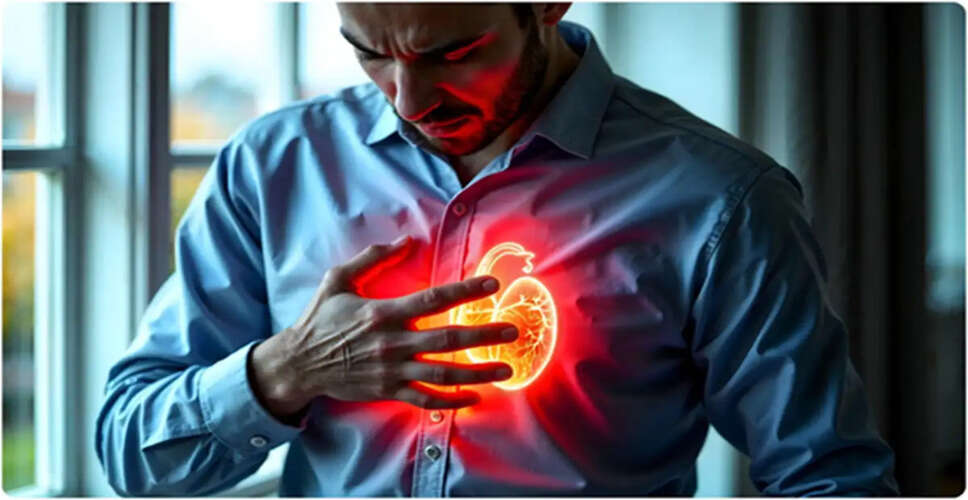
Chest Pain: A buildup of cholesterol can hinder blood flow, resulting in chest pain or pressure.
Shortness of Breath: Insufficient blood and oxygen supply to the heart can lead to breathing difficulties.
Fatigue: Unusual tiredness during everyday activities may indicate high cholesterol levels.
Leg Pain or Cramps: Poor circulation can cause discomfort, numbness, or cramps in the legs.
Yellow Skin Deposits: Some individuals may notice yellow fatty deposits around their eyes or on their skin.
Health Risks Associated with High Cholesterol
Increased Heart Disease Risk: Elevated levels of LDL cholesterol can accumulate on arterial walls, narrowing and hardening blood vessels over time. This can significantly heighten the risk of heart attacks, coronary artery disease, and other cardiovascular issues.
Stroke Risk: High cholesterol can also impact brain health. When cholesterol builds up in arteries supplying blood to the brain, it can obstruct blood flow, potentially leading to a stroke, which can be life-threatening.
High Blood Pressure: Cholesterol accumulation can restrict blood flow, forcing the heart to exert more effort to pump blood, which may elevate blood pressure. Chronic high blood pressure can severely affect the heart, brain, and kidneys.
Kidney Function Impairment: The kidneys depend on adequate blood flow for proper functioning. Cholesterol buildup in renal arteries can hinder this flow, increasing the risk of kidney disease and long-term damage from uncontrolled cholesterol levels.
Preventing High Cholesterol
To maintain healthy cholesterol levels, consider the following:
- Adopt a balanced, low-fat diet.
- Engage in regular physical activity.
- Avoid smoking and limit alcohol consumption.
- Maintain a healthy weight.
- Schedule regular lipid profile tests.
Stay Informed
PC Social Media