
Understanding the Cost Differences: Personal Loans vs. Credit Card EMIs
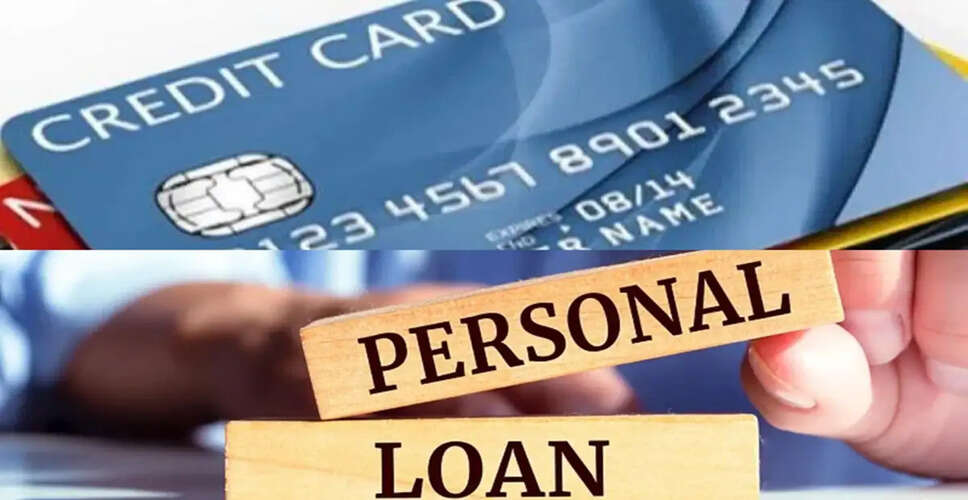
Evaluating Major Expenses: Personal Loans vs. Credit Card EMIs
When faced with significant expenses such as medical bills, gadgets, or unexpected family costs, individuals often consider two primary options: obtaining a personal loan from a financial institution or converting the amount into credit card EMIs. At first glance, both options appear similar, featuring fixed terms and consistent monthly payments. However, one option frequently proves to be more costly than it seems. The key differences lie in interest rates, hidden fees, and the leniency of each choice in case of financial difficulties. Let's delve into which option could potentially be a bigger financial burden: credit cards or personal loans.
Comparing Interest Rates: Credit Cards vs. Personal Loans
Currently, interest rates for personal loans can vary significantly. If you possess a strong credit score and a reliable income, you might find rates starting as low as 1,000. Conversely, if your financial profile is less favorable, rates can escalate quickly. Credit card EMIs, on the other hand, are seldom affordable. Even when banks promote no-cost EMIs, the interest is often embedded in processing fees or minor discounts. When annualized, the standard interest on card EMIs can surpass 18-24%. In essence, for the same amount and duration, personal loans generally offer lower interest rates compared to card EMIs, unless you qualify for an exceptionally low card offer.
Debunking the No-Cost EMI Myth
No-cost EMI options may sound appealing, but caution is advised. Often, merchants provide a discount equivalent to the interest amount, making the EMI seem less expensive. In reality, you are not saving money; instead, you are paying the full price without an upfront discount. Additionally, credit card EMIs usually come with processing fees and GST, which do not reduce your principal but rather inflate your overall costs. While personal loans also have processing fees, these are typically transparent and factored into the comparison of different offers.
Monthly Flexibility Considerations
EMIs for personal loans are fixed and predictable, allowing for better separation from daily expenses. Once established, your credit card remains available for emergencies. However, credit card EMIs diminish your card limit, which can restrict your available credit until the EMI is fully paid. A low card limit may inadvertently compel you to spend more, potentially harming your credit score. Missing a credit card EMI can lead to severe repercussions, including higher late fees and increased interest rates on your total card balance. In contrast, personal loans tend to be more structured and slightly more forgiving.
Tenure and Control: Key Differences
Personal loans typically offer longer repayment periods, often extending up to five years, which can help manage EMIs for larger expenses. Credit card EMIs usually have shorter terms, ranging from 6 to 24 months. Shorter tenures result in higher monthly payments, even if the advertised rate appears similar. Another distinction is prepayment options; many personal loans allow partial prepayments after a few months, often with minimal penalties. In contrast, closing credit card EMIs early can be challenging without forfeiting the supposed no-cost benefit.
Which Option is More Cost-Effective?
For high expenses not linked to specific merchant offers, personal loans are generally the more economical choice in the long term. Credit card EMIs may be appropriate for short-term purchases where the total cost is clear, time is limited, and the offer is genuinely transparent. However, it's essential to consider the discounts you might be sacrificing. The most significant error is making a decision based solely on convenience. While credit card EMIs may seem simpler, they often come with higher costs. Personal loans may require more paperwork, but they typically provide better financial protection.