
Understanding the Chhath Festival: Significance and Rituals

Overview of Chhath Festival
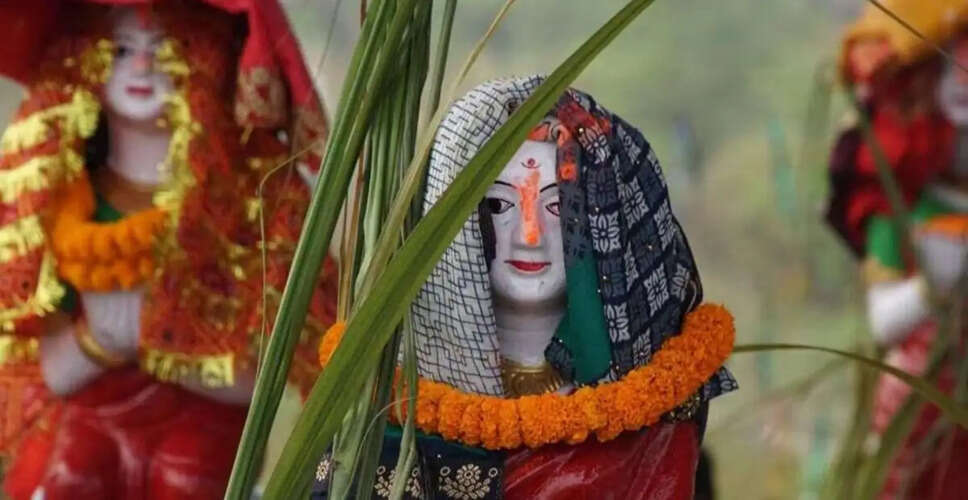
Chhath is a significant festival celebrated primarily in North India, particularly cherished in Bihar and eastern Uttar Pradesh. This festival, which honors both the rising and setting sun, has gained popularity across various regions of India, including Jharkhand.
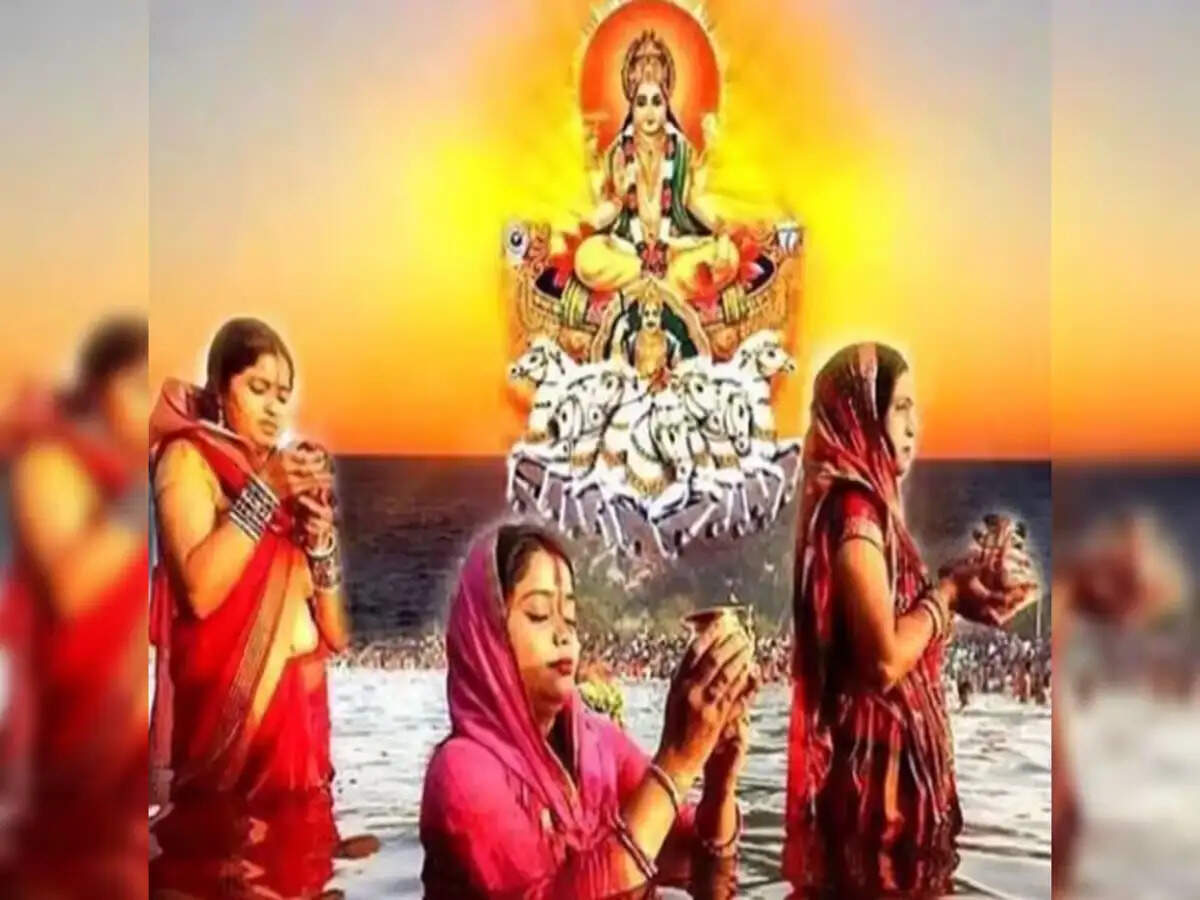
According to the Hindu calendar, Chhath Puja occurs on the sixth day of Kartika, also referred to as 'Surya Shashthi'. This festival involves a strict four-day fast, marked by discipline and purity. This year, the festivities commence on November 13 with 'Nahay-Khay' and culminate on November 16 with 'Usha Arghya', the offering to the rising sun.
Chhath Celebrations Twice a Year
How often is Chhath celebrated?
Many may not realize that Chhath is celebrated twice annually. In addition to the observance in Kartika, there is another celebration during Chaitra. The rituals for both occasions are identical.
Despite the dual celebrations, the Kartika Chhath is more widely observed, as it coincides with the arrival of winter, making fasting easier due to shorter days. Conversely, Chaitra Chhath, known locally as 'Chaiti Chhath', occurs at the start of summer, presenting challenges due to the heat, especially for those undertaking a *nirjala* fast (without water) for 36 hours.
The Importance of the Four-Day Ritual
The Significance of the Four-Day Chhath
The four-day fasting period is regarded as spiritually intense. On the first day, devotees bathe in a sacred river or water body, worship the Sun God, and consume a *sattvic* meal, typically made of split Bengal gram (*chana dal*), bottle gourd (*ghiya*), and rice.
The second day, known as 'Kharna', involves fasting from dawn until dusk. In the evening, after honoring Mother Earth (*Dharti Mata*), devotees enjoy a special *prasad* consisting of bananas, jaggery, and a rice pudding called *kheer*, which is shared with family and friends.
On the third day, referred to as 'Sandhya Arghya' or 'Sanjhiya Ghat', numerous devotees gather by the riverbanks to offer *arghya* to the setting sun, accompanied by folk songs at the *Chhath Ghat*. A vibrant ritual called 'Kosi' occurs that night.
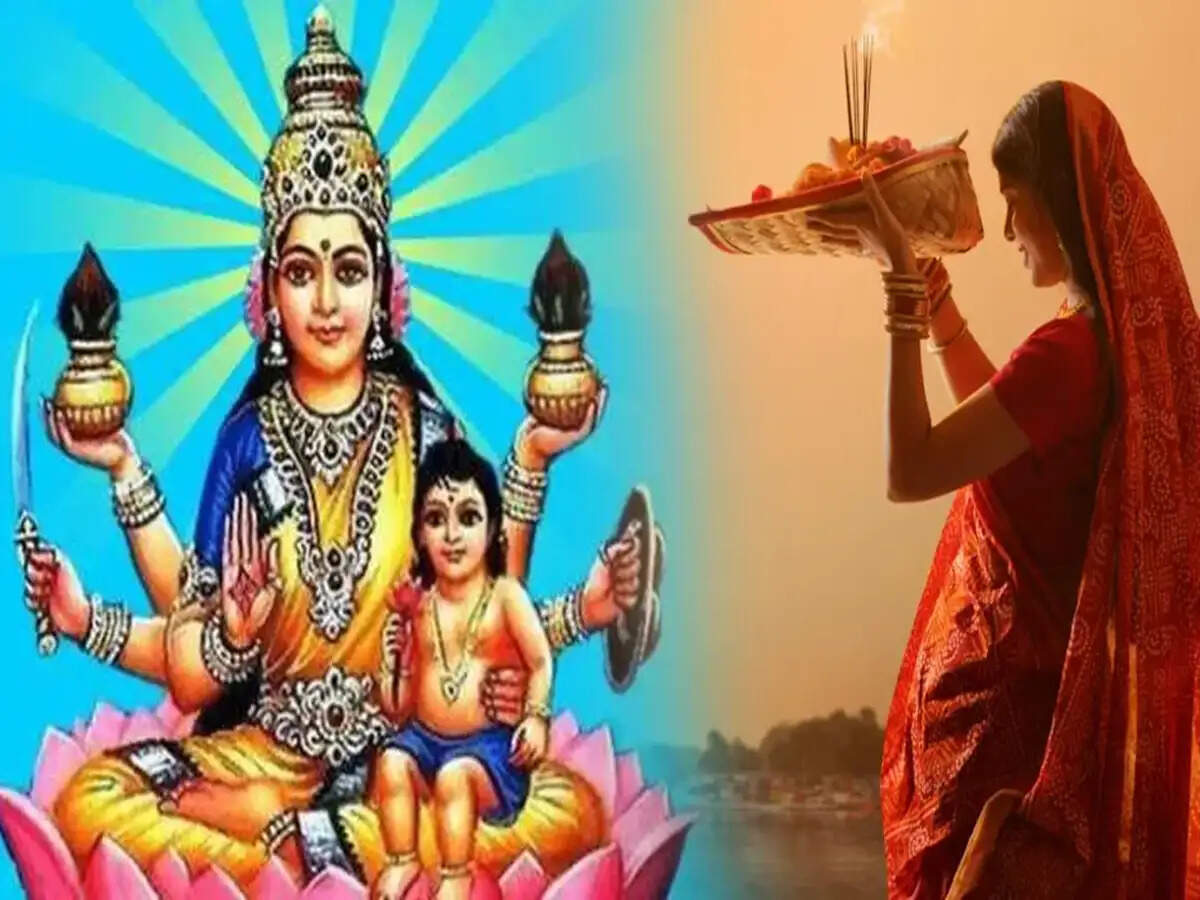
On the final day, families and friends gather at the riverbanks before dawn to offer *arghya* to the rising sun. After this ritual, devotees break their fast and distribute the Chhath *prasad* to all present.