
Understanding Tanning vs. Pigmentation: Key Differences and Treatments
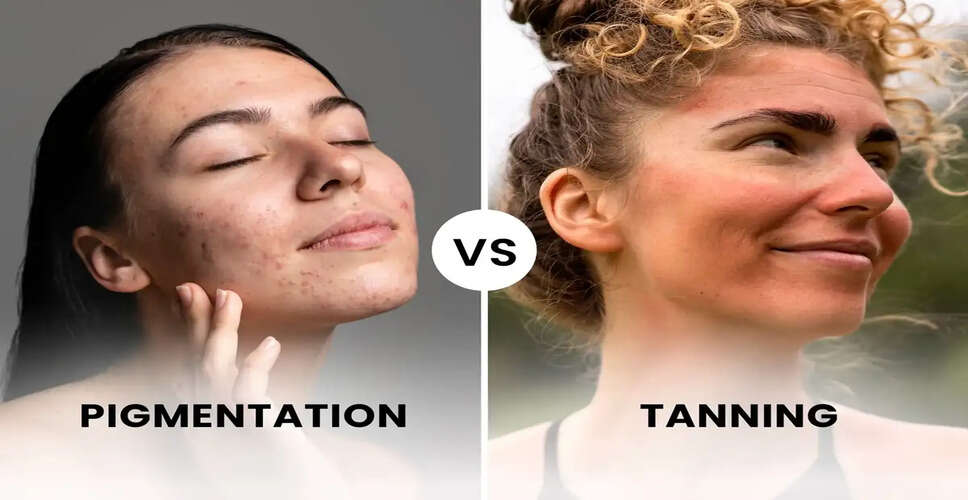

Distinguishing Between Tanning and Pigmentation
Skin darkening due to extended sun exposure is a prevalent concern. Many individuals mistakenly equate tanning with pigmentation, but these are actually two separate conditions. Both are related to melanin, the pigment responsible for skin color, yet they differ in their causes, appearances, and recovery processes.
Recognizing the specific issue is vital, as tanning and pigmentation necessitate different approaches for treatment. Often, people resort to home remedies or topical creams without understanding the underlying cause, which can worsen the situation. If you observe darkening, spots, or an uneven skin tone following sun exposure, it’s important to learn how to differentiate between tanning and pigmentation.
What is Tanning?
Tanning is a natural defense mechanism of the skin. When UV rays from the sun strike the skin, the body responds by increasing melanin production to shield itself. This results in darker or brown areas on exposed skin, such as the face, hands, neck, and arms. A tan can develop within hours or days, but fortunately, it usually fades gradually once sun exposure is minimized, allowing the skin to revert to its original shade.
What is Pigmentation?
Pigmentation, on the other hand, is a distinct condition. It arises when there is an excess accumulation of melanin in certain skin areas, leading to dark or brown spots, patches, or an uneven complexion. Unlike tanning, pigmentation can be triggered by various factors, including hormonal fluctuations, acne, inflammation, injuries, burns, or side effects from certain medications. As a result, pigmentation can be long-lasting and may require targeted treatment. It’s often challenging to accurately diagnose the condition just by visual inspection, so consulting a dermatologist is advisable if discoloration persists.
Different Treatments for Each Condition
While tanning typically fades with time, addressing the root cause of pigmentation is essential. Therefore, it’s not recommended to experiment with various creams or home remedies without professional advice. Regardless of whether the issue is tanning or pigmentation, consistent use of sunscreen is crucial in both scenarios.
PC Social Media