
Understanding Stroke: Symptoms, Risks, and Urgent Treatment

The Global Impact of Stroke
Heart attacks and strokes rank among the top causes of mortality across the globe. The World Health Organization (WHO) identifies stroke as the second leading cause of death worldwide. Moreover, many stroke survivors face paralysis, resulting in long-lasting disabilities. Annually, over 7 million individuals succumb to strokes, while around 12 million experience a stroke each year. This highlights the urgent need to be aware of stroke risks.
Recognizing the Urgency of Stroke Treatment
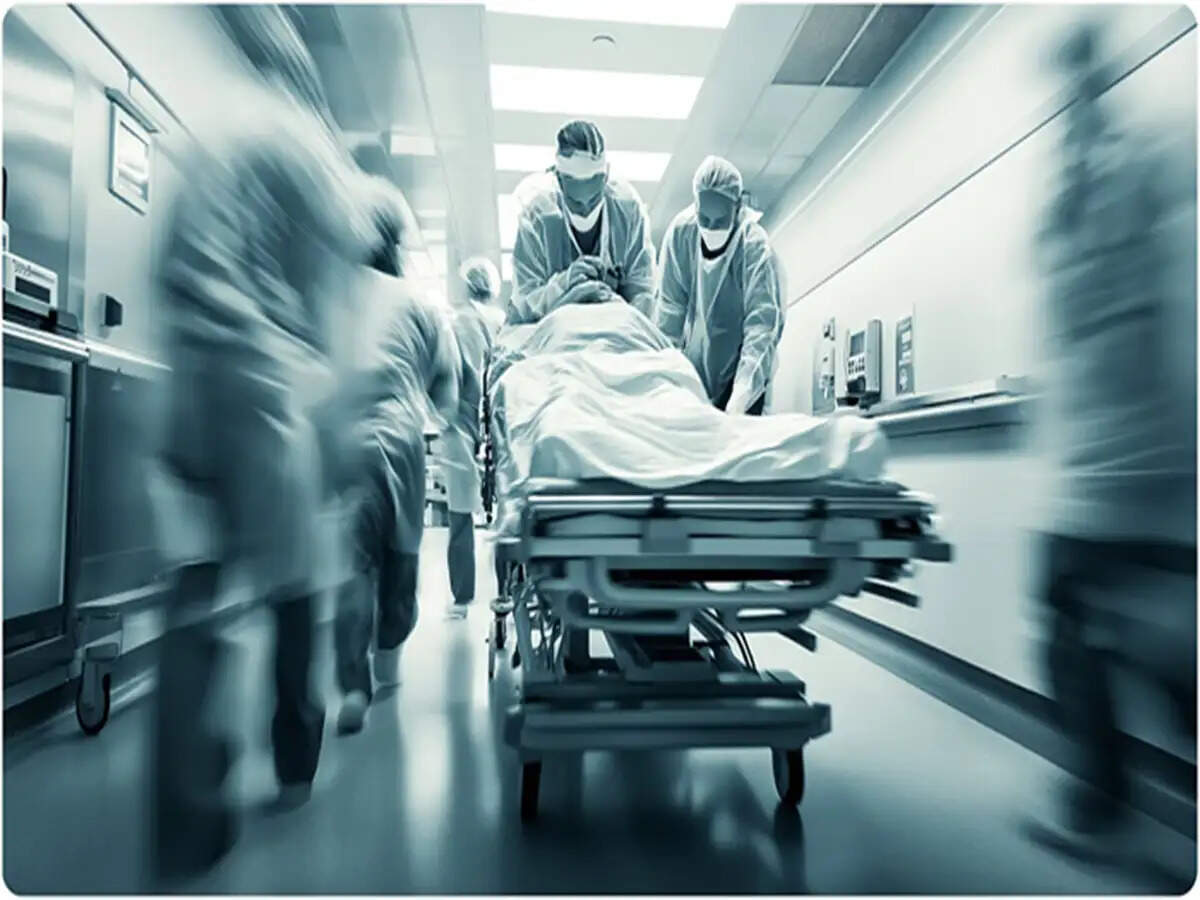
Medical professionals stress that a stroke is a critical emergency; even a minor delay in treatment can have fatal consequences. A significant concern is that many individuals do not recognize the early signs of a stroke, which can result in postponed medical attention.
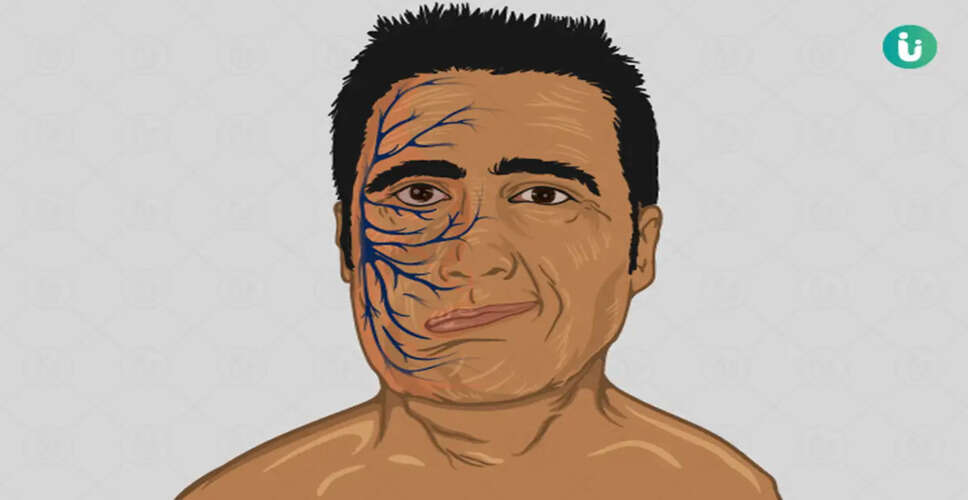
Why is every minute crucial during a stroke? Prompt treatment can not only save lives but also minimize the chances of lasting disability. Key indicators include facial drooping, sudden weakness in limbs, and trouble speaking. If these symptoms manifest, it is vital to seek immediate medical assistance rather than relying on home remedies or waiting for improvement.
Expert Insights on Stroke
Expert Opinion
Dr. Shailesh B. Gaikwad, who leads the Neuroscience Centre at AIIMS, emphasizes that a stroke is a severe medical emergency. It occurs when blood flow to a section of the brain is disrupted or when a blood vessel bursts, leading to bleeding. There are two primary types of strokes:
In an ischemic stroke, a blood clot obstructs a blood vessel in the brain.
In a hemorrhagic stroke, a blood vessel ruptures, resulting in internal bleeding. Treatment approaches vary for each type. Factors such as high blood pressure, diabetes, high cholesterol, heart disease, smoking, obesity, and lack of physical activity elevate stroke risk.
Timely Treatment Can Save Lives
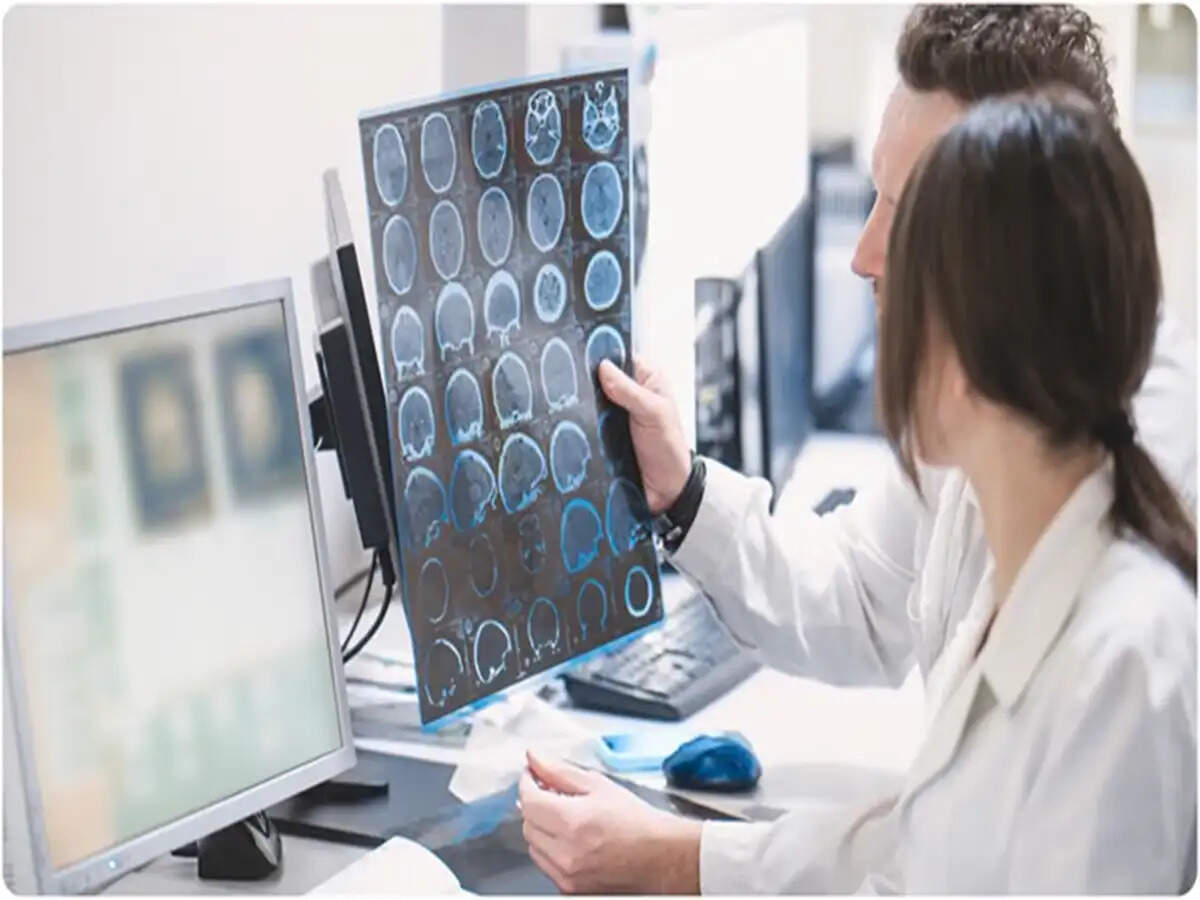
In a hospital setting, doctors determine the type of stroke using CT scans or MRIs. For certain patients with ischemic strokes, clot-dissolving medications can be administered within four and a half hours of symptom onset. If a large blood vessel is blocked, a catheter may be used to remove the clot through a procedure known as mechanical thrombectomy; this can be effective even up to 24 hours after symptoms begin.
For hemorrhagic strokes, the focus is on managing blood pressure, and surgery may be necessary.
Identifying Warning Signs of Stroke
Speech Changes as a Warning
Understanding stroke symptoms is essential for timely recognition.
Common signs include facial drooping, sudden limb weakness, slurred speech, or loss of balance; however, these symptoms are often mistaken for fatigue, general weakness, or aging effects. Such misinterpretations can be perilous.
A stroke occurs when blood flow to a part of the brain is interrupted or a blood vessel ruptures. In these critical moments, every minute is vital. Quick identification and accurate diagnosis are essential for saving lives.
Stay Informed and Prepared
PC Social Media