
Understanding Stomach Ulcers: Symptoms, Causes, and Treatments

The Importance of Digestive Health
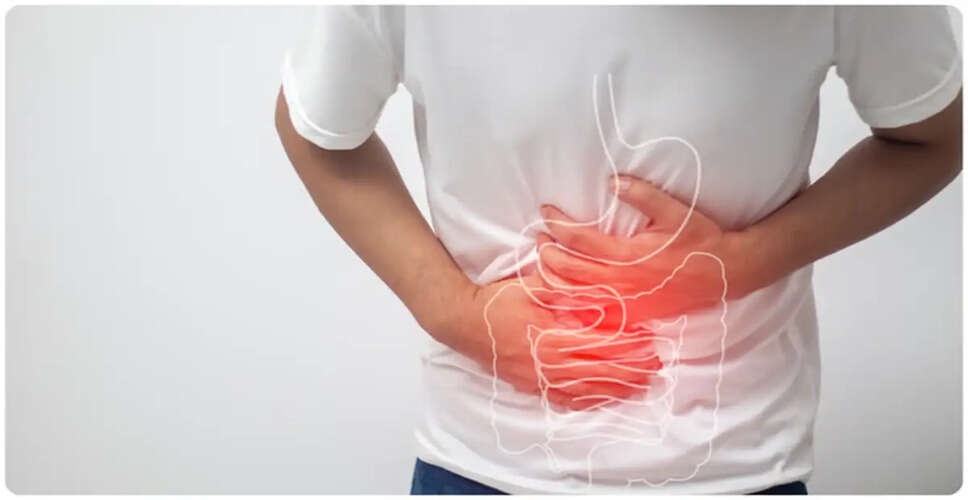
Digestive health is often seen as a reflection of overall well-being; effective digestion typically indicates good health. However, modern lifestyle changes and poor dietary choices have adversely affected digestive systems, leading to common issues like gas, constipation, and heartburn across various age groups.
Recognizing the Symptoms of Stomach Ulcers

Many individuals tend to ignore symptoms such as abdominal discomfort, a burning sensation, or a feeling of fullness after eating, often attributing them to simple gas or acidity. However, these could potentially indicate the presence of a stomach ulcer.
Stomach ulcers, or peptic ulcers, are sores that develop on the stomach's inner lining. While initial symptoms may mimic typical digestive problems, neglecting them can lead to severe complications. Are you at risk? Let’s delve deeper into this condition.
What is Peptic Ulcer Disease?
Peptic ulcers manifest when sores form on the stomach lining or the upper section of the small intestine. Timely identification and treatment are essential, as these ulcers can arise from various factors, including unhealthy eating habits and infections caused by the bacterium *H. pylori*. If not addressed promptly, these ulcers can worsen, leading to serious complications such as internal bleeding, perforation of the stomach wall, or infections.
Identifying Stomach Ulcers
Peptic ulcers can lead to several health issues, including pain or a burning sensation in the upper abdomen, which may worsen when the stomach is empty or after meals. Symptoms can also include nausea, vomiting, gas, a heavy feeling in the stomach, and excessive belching. Some individuals may feel full after consuming only a small amount of food, which can decrease their appetite.
Treatment Options for Stomach Ulcers
Experts emphasize the importance of determining the root cause of a stomach ulcer, as treatment varies accordingly. The bacterium *Helicobacter pylori* can damage the stomach's protective lining, leading to ulcer formation. Additionally, the misuse of painkillers without medical guidance can contribute to ulcer development.
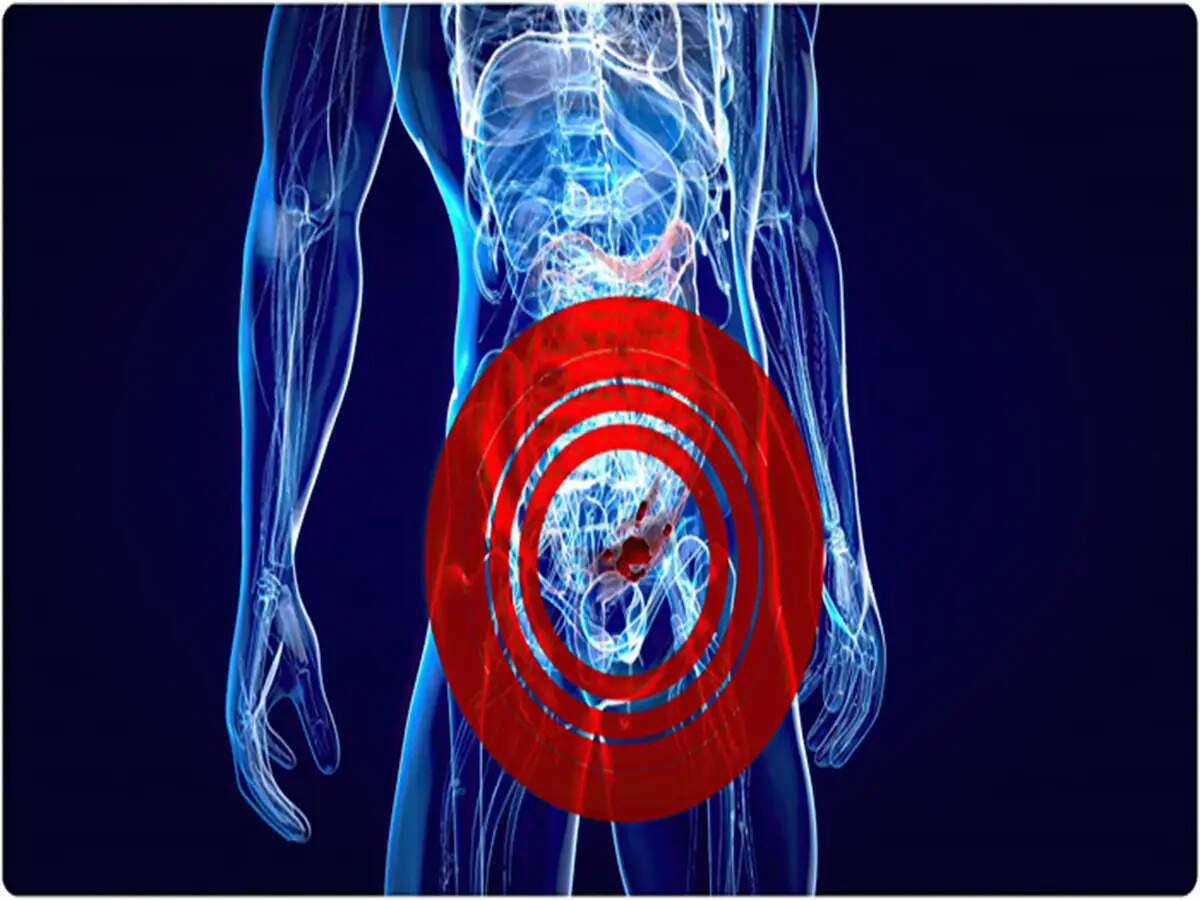
It is crucial to seek medical help if you notice red blood or a coffee-ground-like substance in your vomit, black and sticky stools, or severe abdominal pain. A healthcare provider will prescribe appropriate medications based on your symptoms and their underlying causes. Enhancing your diet and lifestyle can also aid in managing or alleviating these symptoms.