
Understanding Sound Dynamics in Empty Rooms


The Fascinating Acoustics of Unfurnished Spaces
Picture entering a completely vacant house and uttering a word. Instantly, your voice reverberates back to you, as if the space itself is responding. Have you ever pondered the reason behind this phenomenon in unfurnished rooms?
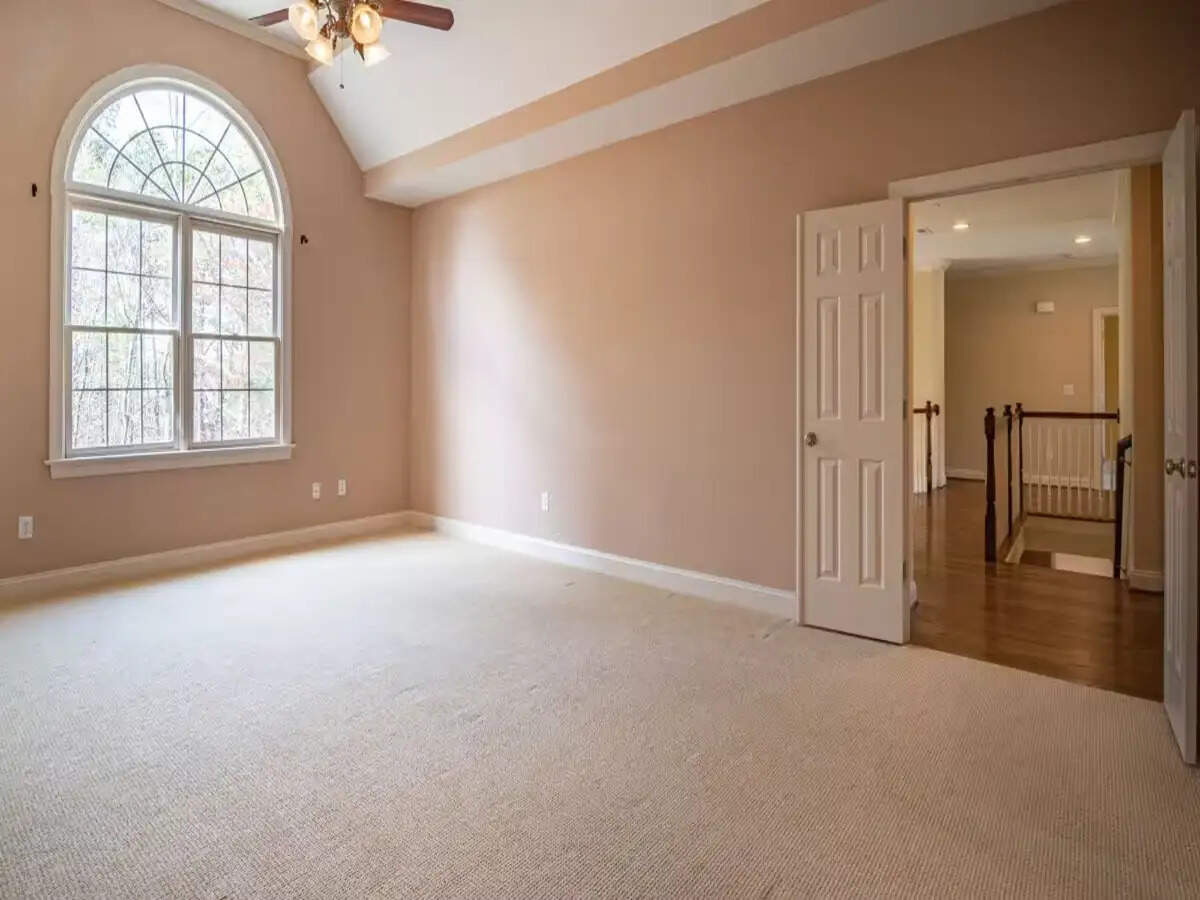
This occurrence is not a mystery; it is a captivating aspect of physics and acoustics. Let’s delve into the behavior of sound in an empty environment.
Sound Propagation Similar to Light
As per NASA, sound operates in a manner akin to light. Just like mirrors reflect light, hard surfaces—such as concrete, glass, or tiles—function as "sonic mirrors" for sound. In a furnished setting, soft furnishings like couches, rugs, and drapes absorb sound energy; however, in an empty room, these items are missing, allowing sound to reflect off the walls freely.
Sound Reflection Like a Ping-Pong Ball
The Whole Building Design Guide (WBDG) states that each material has a distinct ability to absorb sound. Hard surfaces, such as brick or concrete, can reflect 95 to 99 percent of incoming sound. Thus, in a room, your voice ricochets between the walls—similar to a ping-pong ball—until its energy diminishes.
Understanding Reverberation, Not Echoes
We often think of what we hear as an "echo," but scientifically, for a true echo to occur, a reflective surface must be at least 17.2 meters away. In smaller, empty rooms, sound waves bounce back in under 0.1 seconds. This rapid interaction of sound waves is termed 'reverberation.' Since sound travels slower than light, our ears can easily detect this returning sound after it reflects off distant surfaces.
Why Does Sound Feel Louder and Denser?
The National Institute for Occupational Safety and Health (NIOSH) explains that in a room, the initial sound from your voice merges with the sound that has bounced off the walls. This effect is known as 'constructive interference.' The ongoing reflection of sound between opposite walls produces a unique 'ringing' effect or a 'heavy,' resonant noise. This is why sound seems significantly amplified in an empty room. Once furniture like sofas or chairs is introduced, this sound reflection pathway is interrupted, causing the noise to dissipate.
PC Social Media