
Understanding Sock Marks: When They Indicate Health Issues
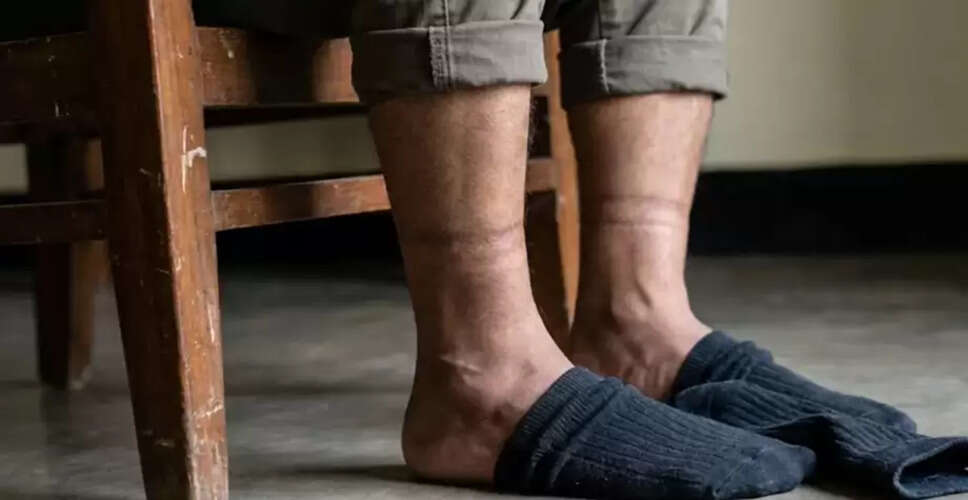
What Sock Marks Could Mean for Your Health
Many of us have experienced the discomfort of removing socks after a long day, only to find deep red impressions on our ankles or feet. While it’s easy to attribute this to tight-fitting socks, persistent marks could signal a more serious health concern.
This condition, known medically as 'edema' or water retention, occurs when the body struggles to eliminate excess fluid, leading to accumulation in the legs due to gravity. Here are three significant health issues that might be indicated by these sock marks.
Heart Health Concerns
One of the primary causes of swelling and sock marks is compromised heart function. The heart is responsible for pumping deoxygenated blood from the legs back to the body. When it weakens, blood flow is impaired, resulting in fluid buildup in the legs and the formation of deep sock impressions.
Kidney Dysfunction
The kidneys act as the body's filtration system, removing excess water and salt. If they are not functioning properly, fluid retention occurs, often first noticeable in the legs and around the eyes. Accompanying symptoms like fatigue and changes in urination warrant immediate medical attention.
Liver Issues or Vein Weakness
Another potential cause is liver dysfunction. A damaged liver produces less albumin, a protein that helps maintain blood within vessels. Additionally, weakened veins in the legs can hinder blood return to the heart, leading to swelling.
When to Seek Medical Advice
Not all sock marks indicate a health issue. They can sometimes result from high salt intake, prolonged sitting, or tight socks. However, if you notice persistent deep marks despite wearing comfortable socks, or if the swelling leaves an indentation when pressed, it’s crucial to consult a healthcare professional. Your body may be signaling a need for a checkup.
PC Social Media