
Understanding Sleep Terrors in Children: Causes and Solutions
What Are Sleep Terrors?
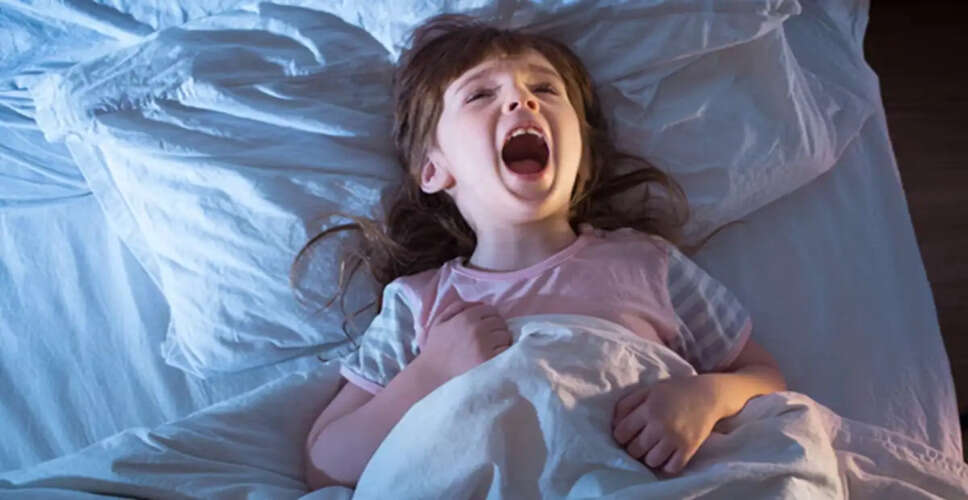
Some kids may abruptly awaken during the night, shaking and crying intensely. Their eyes might remain shut, and even when parents try to console them, the children often do not react. This issue can manifest in kids as young as five years old.
Recognizing the Signs
If your child wakes up in a panic, seems frightened, and does not recognize you even though they appear awake, it might not just be a typical nightmare. This condition is medically known as "sleep terror." Experts recommend that parents first grasp what this condition involves before reacting with alarm.
When Do Sleep Terrors Occur?
Sleep terror is a disorder linked to sleep that is commonly seen in children aged 3 to 12. During an episode, the child may look awake but is actually in a deep sleep state and not fully aware. Recent viral videos have heightened concerns among many parents.
These episodes generally happen within the initial hours of sleep, often between 11 PM and midnight. The child might suddenly sit up, scream, cry, or try to leave their bed, and they usually do not respond to parental attempts to comfort them.
Common Triggers and Risks
Experts indicate that frequent triggers for sleep terrors include exhaustion, lack of sleep, stress, illness, or alterations in daily routines, such as starting a new school or relocating. A family history of sleep terrors can also elevate the likelihood of experiencing this disorder.
How to Handle Sleep Terrors
Parents should avoid waking their child forcefully during a sleep terror episode. Since the child is still asleep, waking them suddenly may lead to more confusion or distress. Instead, ensure their safety and gently guide them back to bed. Make sure the child's sleeping environment is safe, free from sharp objects or tripping hazards. To enhance sleep quality, establish a consistent bedtime routine and limit screen exposure before sleep.
PC Social Media