
Understanding Skin Changes During Seasonal Transitions

Impact of Weather on Skin Health
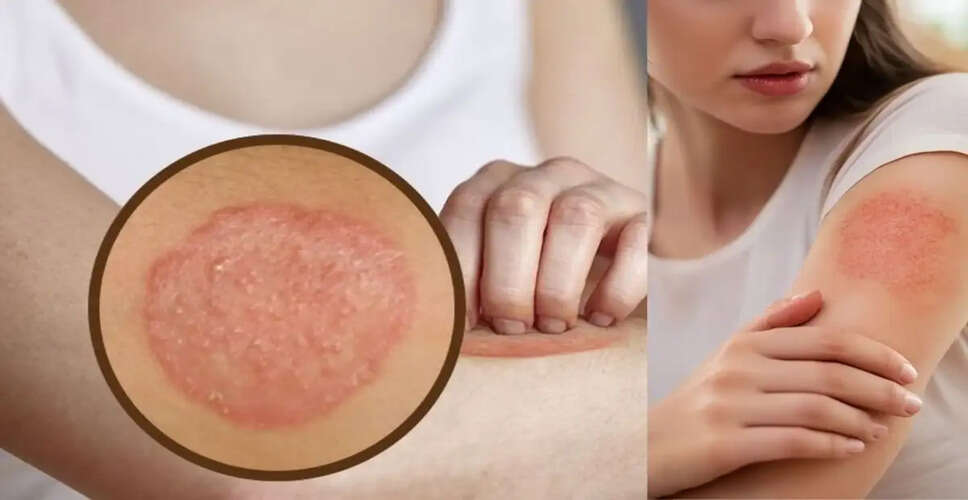
Increased humidity and sweating can leave the skin damp for extended periods. If not properly cleaned and dried, this can heighten the risk of fungal infections in specific areas. Additionally, heat and humidity may cause prickly heat, itching, and red rashes. However, not all instances of itching or redness signify a fungal infection; they could also stem from allergies, skin irritation, or other factors.
Vulnerable Areas for Infections

Moisture tends to accumulate in areas like the underarms, inner thighs, neck folds, and between the toes. Friction from sweat in these regions can worsen the situation. Symptoms of fungal infections may include itching, redness, burning sensations, skin scaling, or circular rashes. Prolonged wear of wet socks and shoes can also elevate the risk of foot infections.
Who Should Be Cautious?
Dr. Minal Singh advises that those with existing skin conditions, excessive sweating, or sensitive skin should take extra precautions during seasonal changes. Children and the elderly are also more susceptible to skin issues. Wearing wet clothing for long durations or allowing skin folds to remain damp can exacerbate these conditions.
Distinguishing Between Allergies and Fungal Infections
Both skin allergies and fungal infections can cause itching, redness, and rashes, but their causes differ. Fungal infections arise from fungi, while allergies are skin reactions to specific substances. Products like soaps, perfumes, and cosmetics can trigger allergic reactions. If discomfort increases after using a new product, discontinue its use and consult a dermatologist if symptoms persist.
Protecting Your Skin from Infections
To safeguard your skin, maintain cleanliness and dryness. Shower daily and ensure thorough drying, especially in areas prone to moisture like underarms and between toes. Change out of damp clothing quickly, and choose loose, clean garments. Avoid wearing wet socks or shoes for long periods, and let footwear dry completely after use. Refrain from sharing personal items like towels or razors, and select mild, fragrance-free skincare products suited to your skin type.
Risks of Self-Medicating for Itching
Many individuals apply creams for itching or rashes without consulting a healthcare professional. While steroid creams may temporarily alleviate symptoms, they can mask or worsen fungal infections if that is the underlying issue. Therefore, it is crucial to avoid using steroid or combination creams without medical advice, as identifying the root cause is vital for effective treatment.
When to Seek Medical Attention
If itching, redness, or rashes persist, spread quickly, or are accompanied by increasing pain or swelling, consult a dermatologist. It’s also important to seek medical help if home care does not yield improvement. Immediate attention is necessary if you experience rapid swelling on your face or around your eyes, or if you have difficulty breathing.
Stay Informed
PC Social Media