
Understanding Sexuality: The Impact of Reality TV on LGBTQIA+ Narratives

Reality TV and Personal Identity
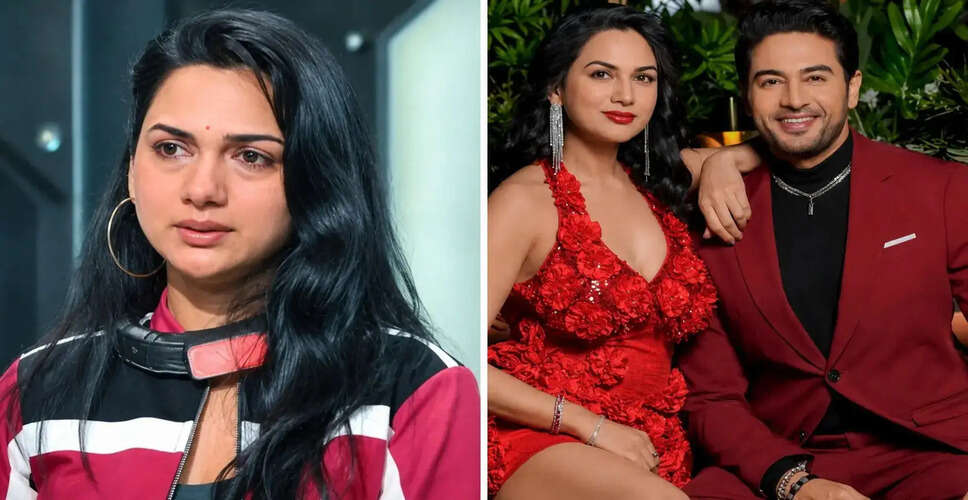
Reality television often delves into personal stories, but sometimes these narratives touch on identities that have faced misunderstanding and stigma. This was evident in the recent remarks made by actor Akanksha Chamola on the reality show Lock Upp. During a discussion with influencer Varun Yadav, known as Laila, Chamola shared her journey regarding her sexuality. She identified as bisexual prior to her relationship with actor Gaurav Khanna, but after their union, she felt a shift in her attractions. Following her divorce, she expressed that she now identifies as asexual, describing it as a lack of desire for sexual intimacy. She referred to these experiences as different 'phases' in her life.
While many advocate for the right of individuals to narrate their experiences as they see fit, some members of the LGBTQIA+ community argue that framing sexual orientations as interchangeable phases perpetuates misconceptions that have long been challenged. Raza (name changed), who chose to remain anonymous, expressed discomfort with Chamola's comments, stating, "This misrepresents our struggles. It suggests that our fight for identity is merely a phase, which is not the case. I spent 15 years coming out to my family, and during that time, I never questioned my identity."
For numerous LGBTQIA+ individuals, years of concealing their identities stem from fears of rejection and violence. The idea that sexuality is merely a transient phase echoes arguments often used by society to dismiss their identities. Another community member, Chintan (name changed), voiced concerns about the potential effects of such statements on young people exploring their identities. "It can confuse adolescents who are uncertain about their sexuality, leading them to believe it’s just a phase and that they should hide it until they conform to societal norms. This is not how it works," he remarked.
Mental health experts have noted that many queer adolescents grapple with self-acceptance, especially when told their feelings are temporary. However, not everyone agrees that Chamola should face backlash for sharing her personal journey. Community members emphasize that the issue lies in how her narrative was presented. One individual noted, "While she has the right to feel bisexual one day and asexual another, it’s misleading to generalize her experience as representative of the community. It’s not that simple."
The distinction, they argue, is between sharing a personal story and suggesting that sexuality is fluid in a universal sense. For many queer Indians, gaining visibility in mainstream media has been a hard-fought battle. This is why they believe discussions about sexuality must be approached with care. A seemingly trivial comment on a reality show can have far-reaching implications, influencing how families, educators, and youth perceive LGBTQIA+ identities. The criticism aimed at Chamola is less about controlling her narrative and more about the broader implications of reducing sexual orientations to mere 'phases,' which could revive harmful stereotypes that have historically invalidated queer lives.