
Understanding Protein: How Much Do You Really Need?
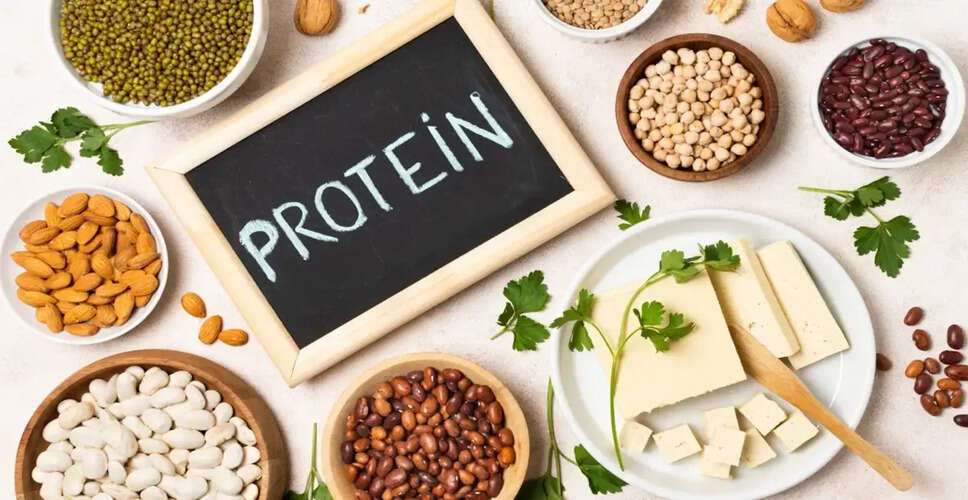

The Role of Protein in Your Body
Protein plays a vital role in nearly every function of the body. However, it's important to note that excessive protein intake can lead to significant stress on your kidneys, heart, and digestive system. This article will delve into the optimal amount of protein you should consume and how to recognize if you're overdoing it.
Why Protein is Crucial

Importance of Protein:
Protein is essential for:
- Producing digestive enzymes
- Regulating hormones
- Maintaining healthy hair, skin, and nails
- Managing weight and blood sugar levels
- Repairing and building muscles
- Strengthening the immune system
Factors Influencing Protein Needs
Protein requirements are typically calculated in grams per kilogram of body weight, meaning heavier individuals generally need more protein. Those who lead a sedentary lifestyle require less protein than individuals who are active or engage in strength training. As people age, their protein needs increase to help combat muscle loss and enhance strength. Additionally, vegetarians and vegans should carefully choose their protein sources. Pregnant and breastfeeding women, along with those recovering from illness, also have higher protein needs, which should be managed under medical supervision.
Consequences of Excessive Protein Intake
Long-term excessive protein consumption can put a strain on the kidneys. If a significant portion of your protein comes from red meat, it may elevate the risk of heart disease. Foods high in protein often lack fiber, which can lead to digestive issues. Overloading on protein can also result in a lack of carbohydrates and healthy fats, leading to nutrient deficiencies.
Signs of Overconsumption
Be aware of these symptoms that may indicate excessive protein intake:
- Persistent thirst or dry mouth
- Bloating, gas, diarrhea, or constipation
- Bad breath
- Fatigue
- Difficulty concentrating
- Muscle cramps or strains
Achieving a Balanced Protein Intake
To maintain a healthy balance, consider the following tips:
- Choose whole food sources: Incorporate fish, eggs, low-fat dairy, and plant-based proteins into your diet.
- Distribute your intake: Instead of consuming all your protein in one meal, spread it throughout the day.

Combine protein with carbohydrates for better absorption. Plant-based proteins like tofu, legumes, and nuts can aid digestion and keep you feeling full longer. If you're using protein supplements, be sure to check for added sugars, saturated fats, and extra calories.
Stay Informed
PC Social Media