
Understanding Pneumonia: Early Signs and Prevention Tips
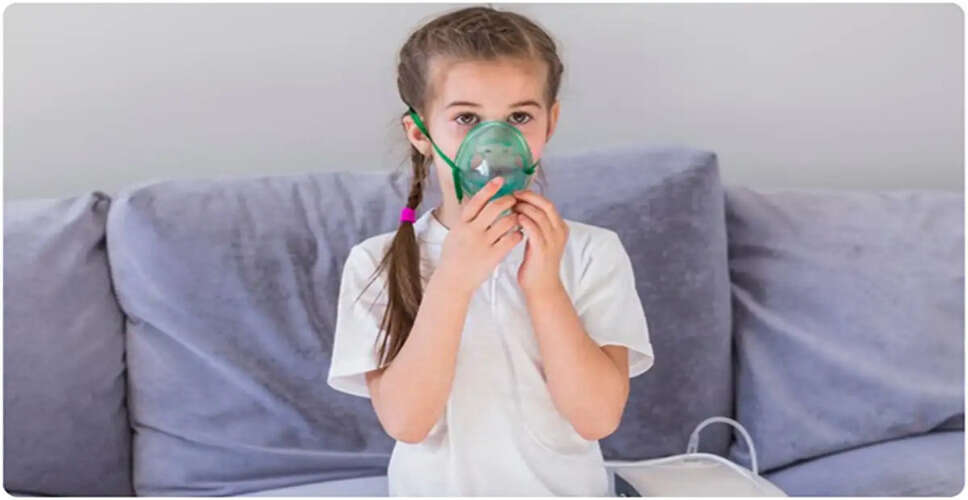

World Pneumonia Day: Awareness and Understanding
World Pneumonia Day: Pneumonia is a critical lung condition that often goes unnoticed in its initial stages, as it can be confused with common ailments like colds, coughs, or fevers. If not diagnosed and treated promptly, it can pose serious health risks.
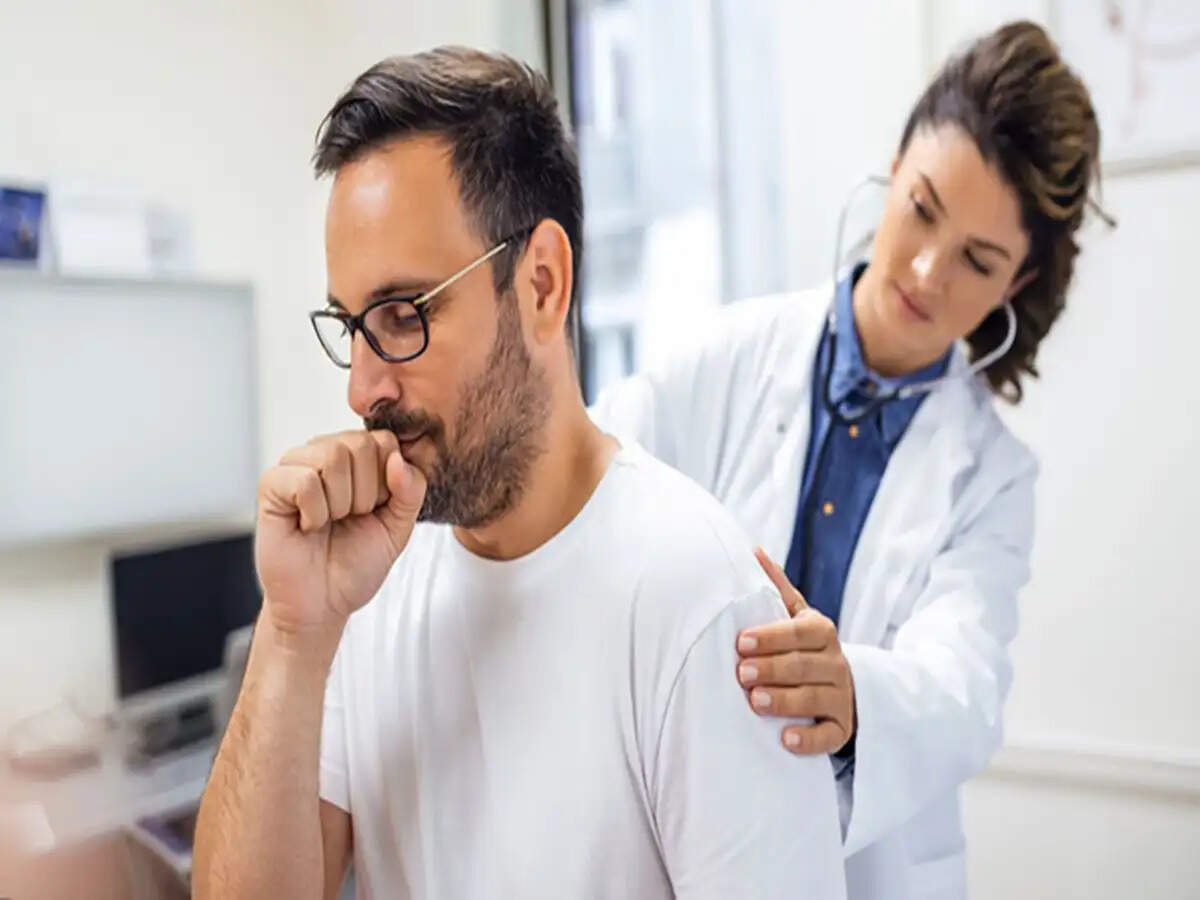
This illness is particularly dangerous for children, the elderly, and those with compromised immune systems. Symptoms should not be overlooked as mere seasonal illnesses. Here, we will explore five early indicators of pneumonia, preventive measures, and when to seek immediate medical advice.
What Causes Pneumonia?
Pneumonia is an infection affecting the lungs, primarily triggered by bacteria or viruses, and occasionally by fungi. This condition leads to the filling of the small air sacs (alveoli) in the lungs with fluid or pus, which can obstruct oxygen absorption. Pneumonia can impact one or both lungs, with severity varying based on age, immune health, and the infection type.
Recognizing the Early Signs of Pneumonia
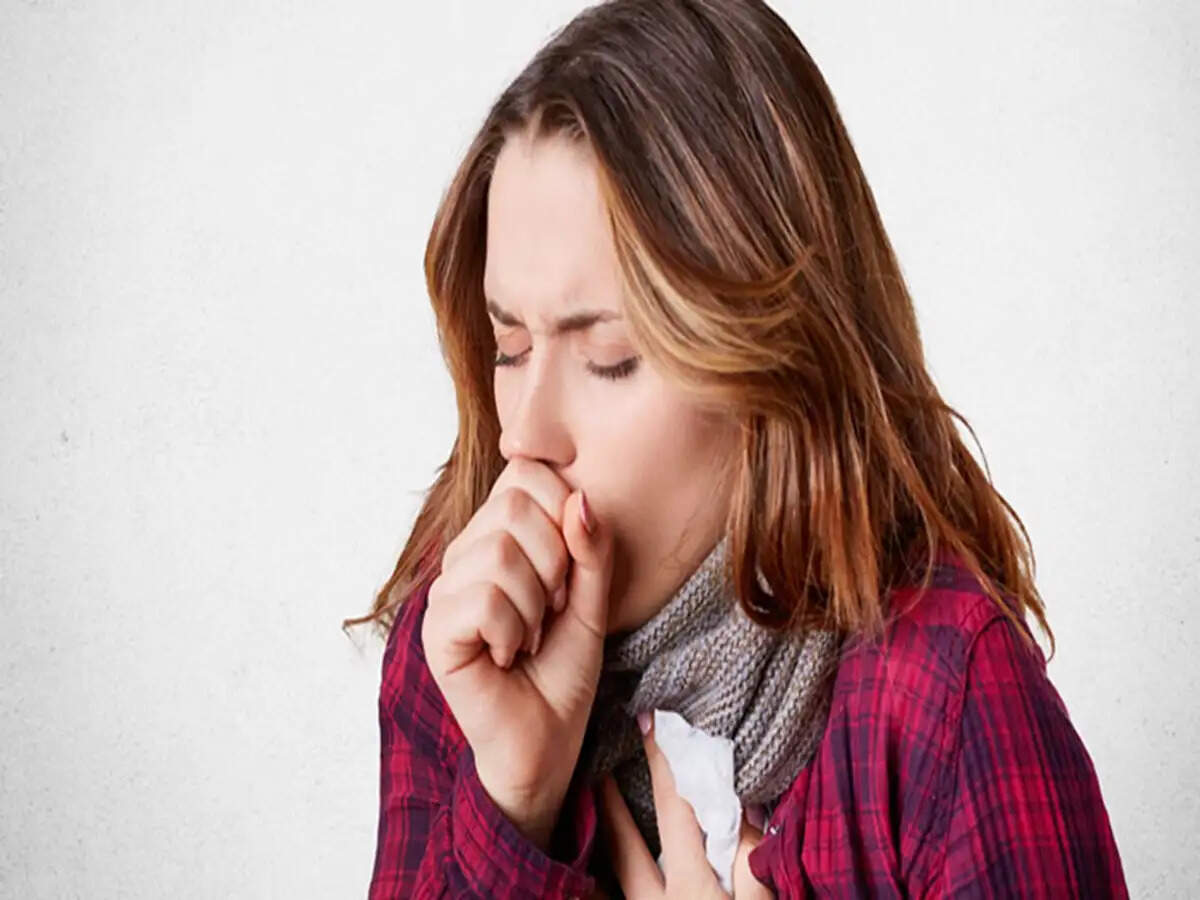
1. Persistent Cough: A continuous cough is a common symptom of pneumonia. Some individuals may have a dry cough, while others might produce mucus that is yellow, green, or occasionally blood-stained.
2. High Fever and Chills: A sudden spike in fever, often accompanied by chills and sweating, is typical of pneumonia.
3. Difficulty Breathing: Experiencing shortness of breath during light activities or everyday tasks, rapid breathing, or general breathing difficulties can be alarming signs.
4. Chest Pain: Pain or a sharp sensation in the chest while breathing deeply or coughing is often due to inflammation in the lungs or surrounding areas.
5. Weakness and Extreme Fatigue: Pneumonia can lead to significant fatigue, weakness, loss of appetite, and challenges in performing daily activities. In older adults, it may present as confusion or sudden behavioral changes.
When to Seek Medical Attention
Do Not Ignore These Symptoms: Certain symptoms necessitate immediate medical care:
Severe breathing difficulties.
Bluish tint on lips, tongue, or nails.
Coughing up blood.
Sudden confusion or loss of consciousness.
An infant refusing to feed or showing signs of distress while breathing.
An infant appearing excessively lethargic or hard to wake.
Who Is More Vulnerable to Pneumonia?
Some groups are at a heightened risk of developing pneumonia and facing severe infections:
Children under five years old.
Individuals over 65 years old.
People with weakened immune systems.
Those with diabetes.
Individuals with asthma or chronic lung conditions.
Smokers.
People suffering from malnutrition.
Preventive Measures Against Pneumonia
How Can Pneumonia Be Prevented? Taking certain precautions can help reduce the risk of pneumonia:
Get vaccinated as advised by your healthcare provider.
Practice regular handwashing with soap.
Cover your mouth and nose when coughing or sneezing.
Avoid exposure to smoke and air pollution at home.
Refrain from smoking.
Maintain a balanced diet and ensure adequate sleep.
Make sure children receive their routine vaccinations.