
Understanding PCOS: Symptoms, Causes, and Pregnancy Challenges
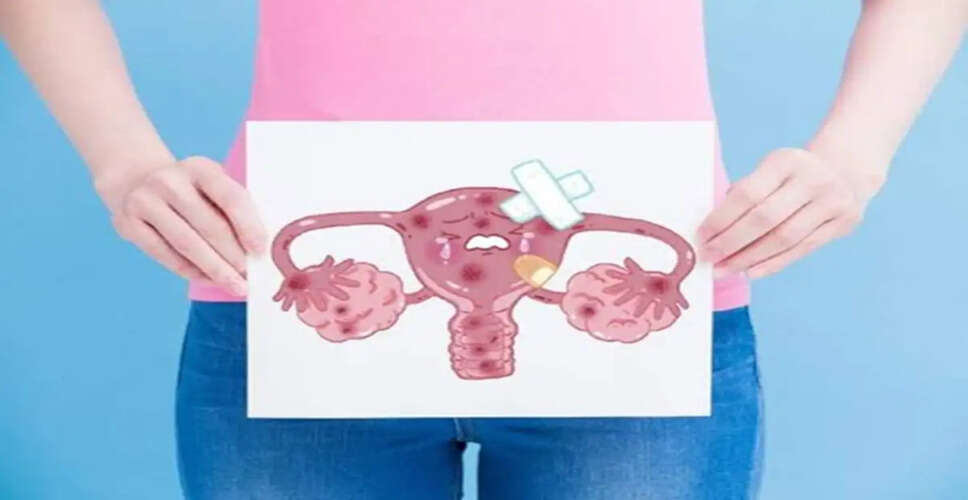

Introduction to PCOS
In recent times, many young women are experiencing issues like irregular menstrual cycles, unexpected weight gain, increased facial hair, and acne. When these symptoms arise, Polycystic Ovary Syndrome (PCOS) often comes to mind. However, it's important to note that irregular periods can stem from various causes, not just PCOS. If diagnosed with PCOS, it is crucial to address the condition rather than ignore it. To gain insights into the causes, early signs, and potential impact on fertility, we consulted a gynecologist.
PCOS: A Widespread Hormonal Disorder
**PCOS: A Common Hormonal Issue**
Dr. Pooja Goyal, a Senior Consultant specializing in Obstetrics and Gynecology at Amrita Hospital in Faridabad, highlights that PCOS is increasingly recognized as a common hormonal disorder among young women. Factors such as modern lifestyle choices, including poor diet and irregular sleep patterns, significantly contribute to this condition. The rise in awareness has led to more individuals seeking medical advice promptly, resulting in higher diagnosis rates.
Menstrual Irregularities and Symptoms
**Irregularities in Menstruation**
According to Dr. Goyal, menstrual irregularities are often the first indicators of PCOS. Women may experience delayed periods, with intervals extending to one and a half, two, or even three months. In some cases, menstruation may cease entirely, necessitating medication to induce a period. Other common symptoms include sudden weight gain, acne, and excessive facial hair growth, which are linked to elevated male hormone levels.
Dr. Goyal emphasizes the connection between PCOS and weight gain. While obesity is not the sole cause of PCOS, the condition can lead to weight gain, creating a cycle of hormonal imbalance and obesity. Breaking this cycle is essential, and lifestyle changes can significantly alleviate PCOS symptoms. Many young women also express concerns about their fertility.
Pregnancy Challenges with PCOS
**Challenges with Pregnancy**
Dr. Goyal explains that women with PCOS may encounter challenges when trying to conceive. The hormonal fluctuations and irregular cycles associated with PCOS can complicate pregnancy planning, but it does not render motherhood impossible. With appropriate medical intervention, PCOS can be effectively managed.
When discussing diet and stress management, Dr. Goyal underscores the importance of lifestyle in controlling PCOS. A balanced diet is crucial; it is advisable to limit sweets, sugar, and refined flour. Incorporating nuts, leafy greens, and fruits into meals, along with drinking two to three liters of water daily, is beneficial. Additionally, practices like yoga and meditation can help mitigate stress. While medical guidance is essential for treatment, lifestyle adjustments are equally important.
Myths About PCOS and Pregnancy
**Pregnancy is Possible with PCOS**
A prevalent myth about PCOS is that it only affects unmarried women or that it makes pregnancy impossible. Dr. Goyal clarifies that this is a misconception. PCOS does not prevent pregnancy. By adopting a healthy lifestyle and seeking medical assistance when necessary, women can manage PCOS effectively and plan for a successful pregnancy.
Conclusion
PC Social Media