
Understanding PCOS: Symptoms, Causes, and Management Strategies

The Rising Concern of PCOS Among Young Women
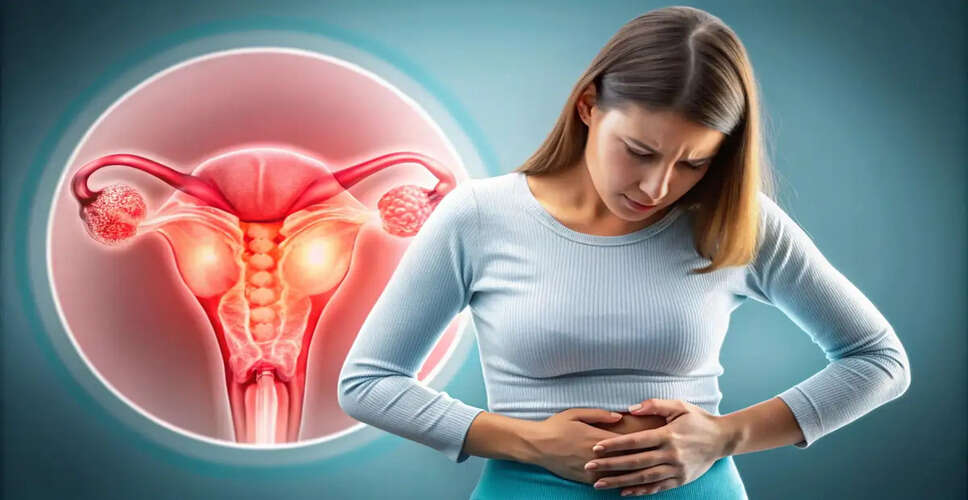
Issues such as PCOS and PMS are increasingly prevalent among young women today. Symptoms like irregular menstrual cycles, excessive facial hair, acne, and unexpected weight gain are common. Many young women tend to overlook these signs, considering them as normal variations. However, health professionals emphasize that these indicators should not be ignored. PCOS is not just an ovarian issue; it is also associated with hormonal and metabolic health.
Lifestyle Factors Impacting PCOS
**The Role of Stress and Sleep Patterns**
Dr. Pooja, an Ayurvedic specialist in women's health, points out that contemporary lifestyles can significantly affect health. Elements such as stress, high intake of processed foods, late nights, and weight fluctuations can disrupt hormonal balance. The underlying causes of PCOS can differ from one woman to another, with family history and genetic factors also playing a role.
Recognizing Symptoms Beyond Menstrual Irregularities
**Facial Hair and Acne as Warning Signs**
It is crucial not to overlook persistent menstrual irregularities. Sudden weight gain, excessive facial hair, or ongoing acne can also serve as warning signs. Treating these symptoms as mere hormonal fluctuations is unwise; consulting a healthcare provider is essential for proper diagnosis and evaluation.
Personalized Treatment Approaches
**Individualized Care for PCOS**
Dr. Pooja emphasizes that there is no universal treatment for PCOS. Healthcare providers evaluate each patient's symptoms and medical history to create a customized treatment plan. It is important to avoid self-medicating or following home remedies suggested on social media without professional guidance.
Lifestyle Modifications for Effective Management
**The Importance of Healthy Habits**
Managing PCOS involves more than just medication; daily habits are vital. Establishing a consistent sleep routine, managing stress, and maintaining a nutritious diet are crucial. Regular physical activity should also be integrated into daily life. Dr. Pooja reassures that while PCOS should not cause panic, it is essential to seek timely medical advice. Symptoms can be effectively managed through appropriate treatment and lifestyle changes. Since each individual's situation is unique, treatment should always be pursued under a doctor's supervision.
Connect with Us on Social Media
PC Social Media