
Understanding Parenting Habits That Can Harm Your Child's Mental Health
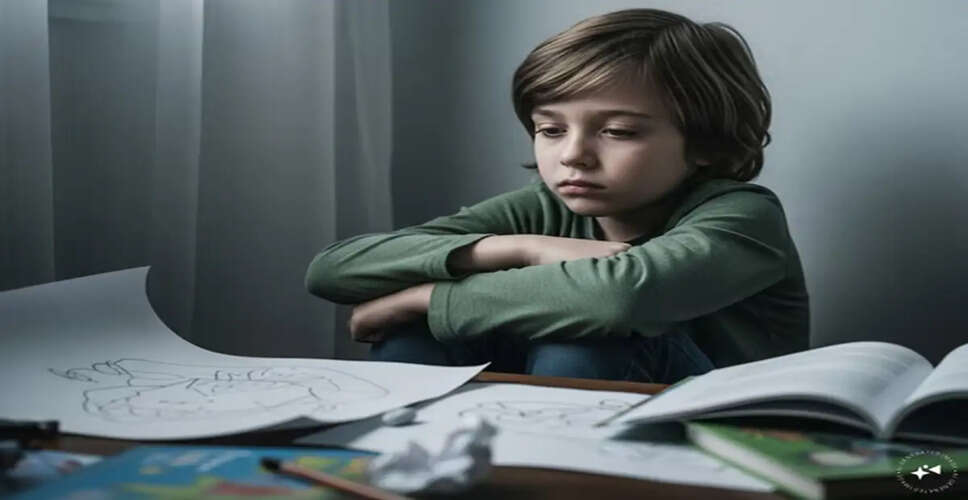

Negative Parenting Habits Impacting Children's Well-Being
Every parent aspires for their child to develop into a happy, confident, and mentally resilient individual. However, despite their good intentions, certain behaviors and habits can inadvertently affect a child's mental health negatively. Psychological studies indicate that specific parenting styles can lead children to feel insecure and unhappy over time.
**Frequent Criticism:** When parents consistently highlight their children's mistakes without recognizing their efforts, it can lead to feelings of incompetence. This ongoing criticism can erode their self-esteem, making it difficult for them to experience joy.
**Dismissing Emotions:** If a child expresses sadness, fear, or anger and is told to dismiss those feelings, they may learn to suppress their emotions. As they mature, they might struggle to identify or understand their own feelings.
**Love Based on Achievements:** When affection is given only in response to good grades or successes, children may feel worthless without those accomplishments. This creates a cycle of stress and anxiety.
**Perfectionism Pressure:** The relentless demand to excel, look perfect, and outshine peers can be emotionally draining. Children may start to view mistakes as serious failures, which can rob them of happiness.
**Overbearing Control:** When parents dictate every choice—from clothing to thoughts—it hinders a child's ability to become self-sufficient. This can lead to timidity and confusion.
**Comparisons with Peers:** Comments like, "Look at how well-behaved that child is," can foster feelings of inadequacy in children, leading to emotional distress.
**Emotional Absence:** If parents are preoccupied with their devices or personal issues and fail to engage with their child, the child may feel isolated. This emotional neglect can lead to sadness.
**Arbitrary Authority:** Using strict commands like, "Because I said so," can intimidate children, making them feel their opinions are worthless. This can stifle their willingness to express themselves.
When children face distress without support or understanding, they may believe their pain is insignificant. This mindset can ultimately lead to feelings of unhappiness and insecurity.