
Understanding Parental Influence on Children's Communication
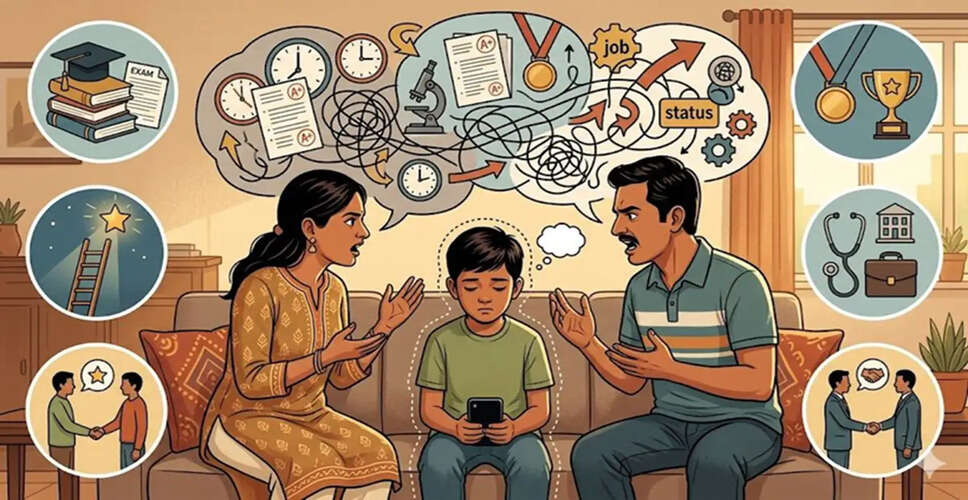

The Impact of Parental Habits on Child Communication
In today's world, many parents express a common frustration: "Our child hardly shares anything with us; they are always on their phone." While smartphones and the internet often bear the brunt of this blame, it’s worth considering that certain parental behaviors might also be contributing to this disconnect.
One major factor is the tendency of parents to 'over-advice'—the habit of constantly offering unsolicited guidance. Let’s delve into five key ways this behavior can silence your children.
**Prioritizing 'Preaching' Over 'Listening'**
When a child shares a story from school, they often seek a listening ear rather than a lecture. However, parents frequently jump in with advice on what they should do differently. This lack of genuine listening can lead children to feel unheard, prompting them to keep their thoughts to themselves in the future.
**Judgment and Criticism**
When children approach their parents with issues, responses like, "I told you so," or "This is your fault," can be demoralizing. The fear of constant judgment can cause children to hide their true feelings, even from those closest to them.
**Harmful Comparisons**
Often, unsolicited advice comes with comparisons to other children, such as, "Look at Mr. Sharma's son—he behaves better." Such remarks can deeply affect a child's self-esteem, making them feel inadequate and prompting them to withdraw from conversations with their parents.
**Minimizing Their Concerns**
For teenagers, conflicts with friends can feel monumental, yet parents may trivialize these issues, saying things like, "Is this really worth worrying about? Just focus on your studies." This dismissal can lead children to shut down emotionally, closing off their world from their parents.
**Restricting Their Decision-Making**
When parents impose their opinions on every aspect of a child's life—from clothing choices to friendships and career paths—the child's confidence may suffer. If children feel they are not trusted to make their own decisions, they may react by rebelling or retreating into silence.
PC Social Media