
Understanding Osteoporosis: Risks, Symptoms, and Diagnosis

What You Need to Know About Osteoporosis
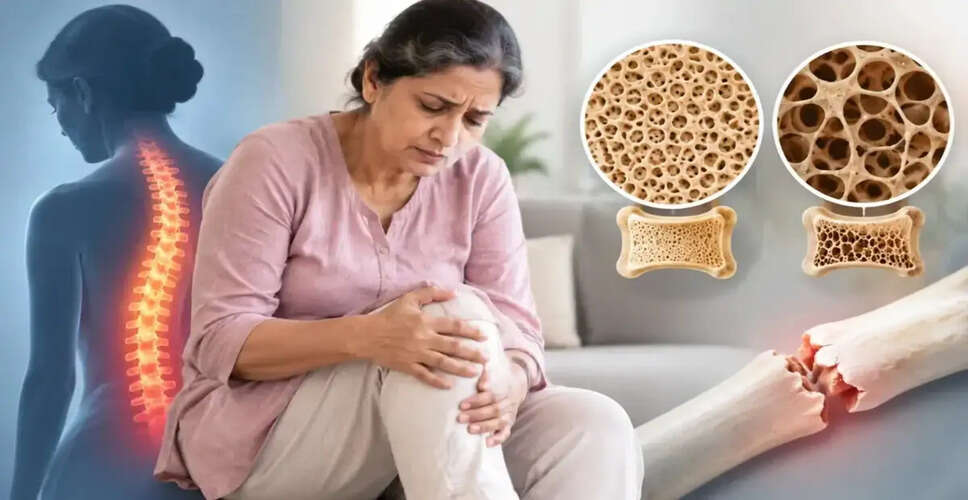
As individuals grow older, bone density often diminishes, yet many may not experience any symptoms or discomfort, even when their bones become fragile. Frequently, a person only learns of their condition after suffering a fracture from a minor fall. This condition is termed osteoporosis, which is predominantly seen in those aged 55 and above. The risk escalates significantly for women post-menopause. Dr. Sahil from the Orthopedics Department at Amrita Hospital, Faridabad, shares vital insights on the causes, symptoms, and diagnostic methods for this condition.
Defining Osteoporosis
What is osteoporosis?
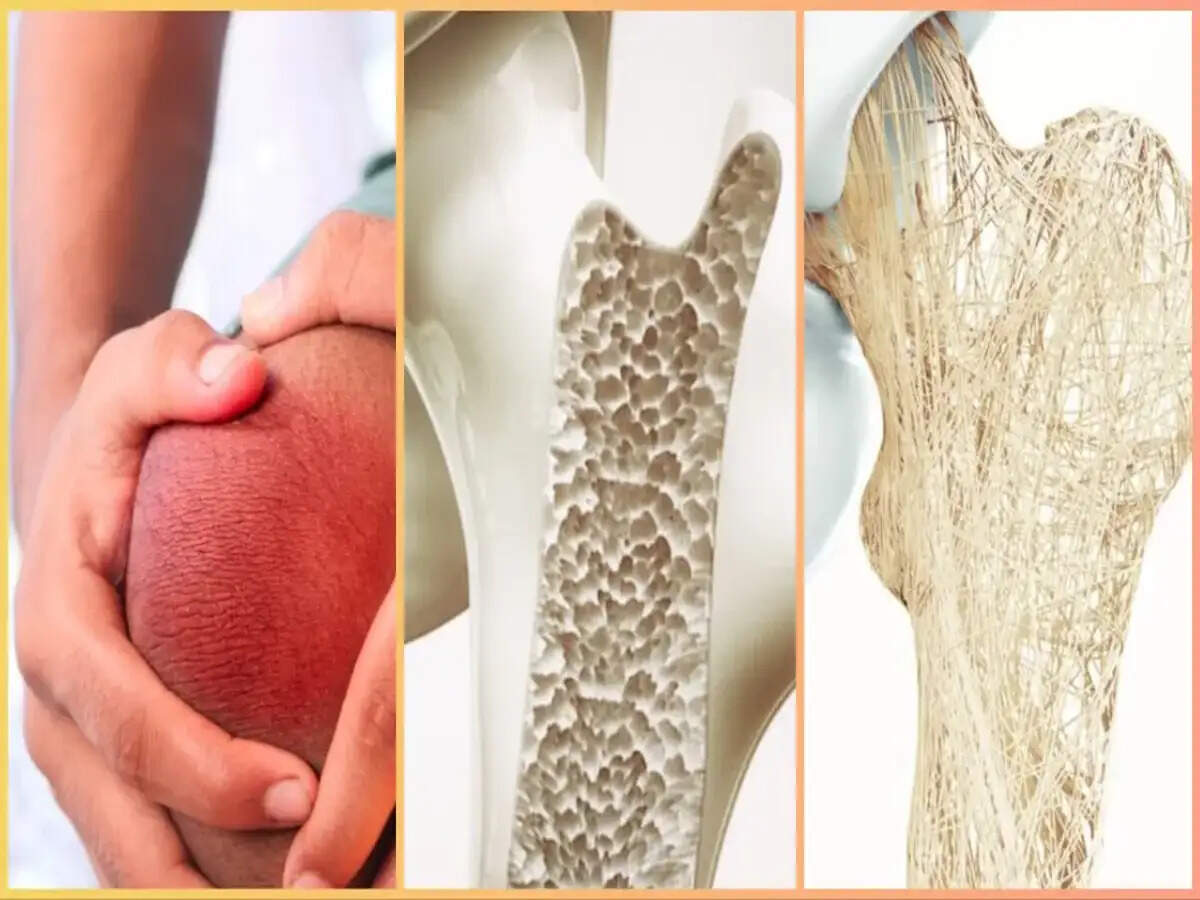
According to Dr. Sahil, osteoporosis leads to weakened and porous bones, compromising their structural integrity and heightening the risk of fractures. Often dubbed an "invisible disease," its symptoms are not readily visible, leaving many unaware of their bone deterioration until a fracture occurs.
Who is at Risk?
Dr. Sahil points out that while osteoporosis is most common in those over 55, younger individuals can also be affected. Factors such as prolonged steroid use, early menopause, and hormonal imbalances can elevate the risk. Additionally, certain medications may contribute to bone weakening.
Increased Risk for Women Post-Menopause
Higher risk for women after menopause
Dr. Sahil emphasizes that estrogen is vital for maintaining bone density in women. After menopause, estrogen levels drop significantly, adversely affecting bone health and increasing the likelihood of osteoporosis.
Warning Signs of Osteoporosis
Fractures from minor injuries are a significant warning sign.
Dr. Sahil explains that even minor injuries can result in fractures for those with osteoporosis. It's important to note that back pain can stem from various causes, and should not be hastily attributed to osteoporosis. Similarly, height loss can be influenced by nutrition, genetics, and family history.
When to Get Tested
At what age should one get tested?
Dr. Sahil recommends a DXA scan to evaluate bone strength by measuring bone mineral density. It is generally advised to have this screening every one to two years starting at age 55 or 60, based on a doctor's advice. If results show low bone density, timely treatment can be initiated.