
Understanding Organ Donation: Myths, Facts, and Lifesaving Potential

The Importance of Organ Donation
Organ donation is often regarded as the highest form of altruism. Even after death, individuals can contribute to saving lives through organ donation, allowing a part of them to continue living on in others.
In India, the demand for organ transplants is staggering. Annually, around 500,000 individuals succumb due to the lack of available organs. Currently, approximately 300,000 patients are on waiting lists, with about 20 individuals losing their lives each day due to delays in receiving necessary organs. The most common needs are for organs like the liver and heart.
Addressing Common Concerns
Health professionals emphasize that while awareness about organ donation is increasing, many misconceptions still exist. Questions such as whether elderly individuals or those with chronic illnesses can donate organs are frequently asked. Let's explore these queries.
Organ Donation Saves Lives
World Organ Donation Day, celebrated on August 13th, aims to promote posthumous organ donation, dispel myths, and highlight the critical need for saving lives.
The National Organ and Tissue Transplant Organisation (NOTTO) states that organ and tissue donations can significantly enhance or save lives. A single donor can provide multiple organs and tissues to those in need.
Eligibility for Organ Donation
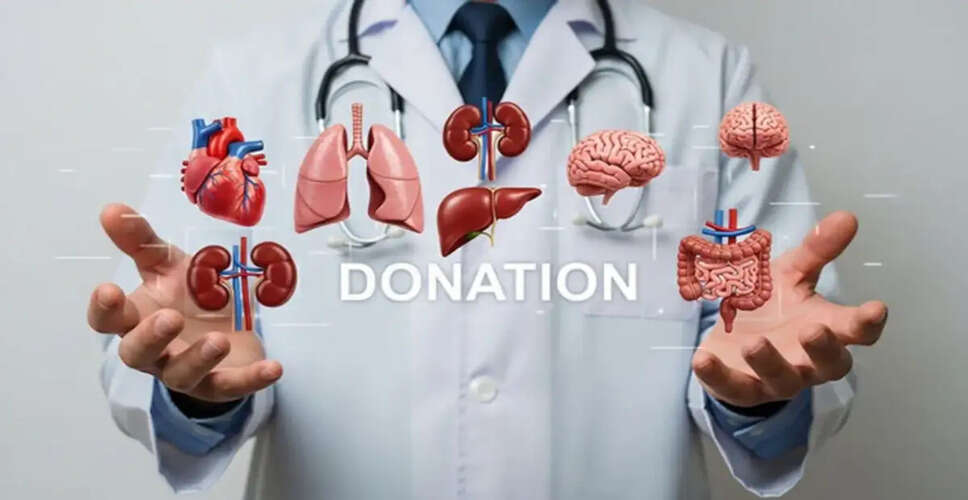
After death, various organs, including kidneys, liver, heart, lungs, and pancreas, along with certain tissues, can be donated. However, not every organ from every individual is suitable for donation. Medical professionals assess which organs can be donated based on evaluations conducted at the time of death.
Who Can Be an Organ Donor?
Medical guidelines indicate that there is no strict age limit for organ donation. The key factor is the medical viability of the organs at the time of death. Age alone does not disqualify someone from being a donor.
Individuals with medical conditions can also donate organs. At the time of death, doctors will consider factors such as medical history, infections, and the overall condition of the organs. However, organ donation is not feasible in cases of death caused by cancer, active tuberculosis, severe infections, or sepsis.
Diabetes and Organ Donation
Can Diabetic Patients Donate Organs?
Research shows that individuals with diabetes can donate organs. Doctors evaluate the diabetic condition and its effects on the organs at the time of death. Organs that are in good condition can be donated.
Long-term uncontrolled diabetes can impact organs like the liver, kidneys, and heart, leading to common concerns about eligibility. Experts clarify that having diabetes should not automatically exclude someone from organ donation.
Steps to Consider for Organ Donation
What Are the Key Requirements?
Experts recommend that anyone wishing to donate organs should first communicate their intentions to their family.
Do not assume you are ineligible for organ donation due to a medical condition. In cases of diabetes, hypertension, or advanced age, the final decision will be made by medical professionals at the time of death. Additionally, organ donation must occur through authorized medical facilities and comply with legal regulations. It's crucial to remember that the trade of human organs is illegal in India.