
Understanding Muscle Cramps: Causes and Remedies
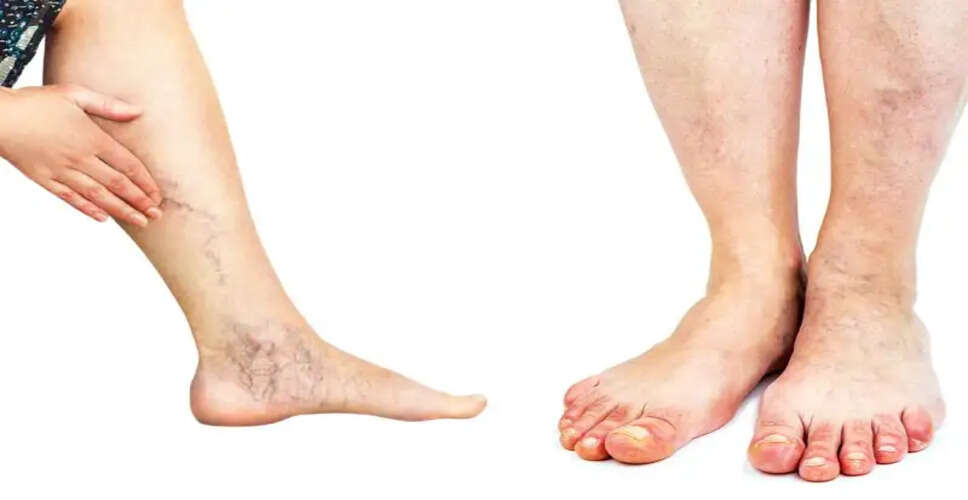

What Causes Muscle Cramps?
Muscle cramps are a common issue that many people experience, whether sitting, lying down, or standing. These cramps typically affect the arms or legs and can cause significant pain, sometimes leading to intense discomfort. While they usually last only a short time, they can persist in some cases. So, what triggers these cramps? Let's explore.
Key Reasons for Muscle Cramps
The primary cause of muscle cramps is often physical weakness, but there are several other contributing factors. Dehydration, low potassium and calcium levels in the blood, deficiencies in magnesium and other minerals, excessive alcohol consumption, underlying health conditions, high stress levels, poor posture, unhealthy eating habits, and lack of sleep can all lead to cramps.
Effective Remedies for Muscle Cramps
1. Stretching: Stretching the affected area can provide immediate relief from cramps. Stretch in the opposite direction of the muscle pull, but avoid excessive force. If stretching does not help, refrain from overdoing it.
2. Salt: Consuming salt can be beneficial when cramps occur, as it contains potassium. A deficiency in potassium can lead to cramps, so a small amount of salt can help alleviate the issue.
3. Bananas: Eating bananas is an excellent remedy for cramps due to their high potassium content. If cramps are caused by low potassium levels, bananas can effectively relieve the discomfort.
4. Ice: Applying ice to the affected area can also provide relief. Wrap ice in a cloth and apply it where the cramp has occurred for quick comfort.
5. Massage: Massaging the affected area with essential oils can improve blood circulation and provide relief from cramps in the neck, arms, and legs.
6. Adequate Sleep: Surprisingly, getting enough sleep can help prevent cramps. When the body is damaged, it repairs itself during sleep. Aim for a few extra hours of rest and maintain a healthy diet.