
Understanding Men's Body Image: Breaking the Silence on Insecurities
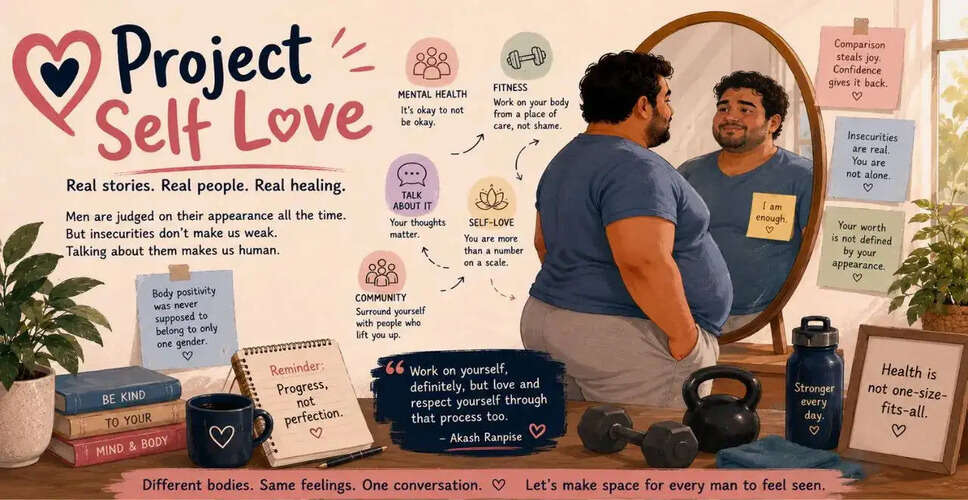

The Unspoken Struggles of Men's Body Image
Men often face scrutiny regarding their appearance, yet they lack a platform to express their feelings about it. Society has numerous expectations for how men should present themselves: tall but not excessively so, muscular yet not vain, youthful, and confident. However, discussions about the impact of these standards on men's mental health are rare.
While conversations about body image have predominantly centered on women, men also experience significant pressures related to their looks. A 2019 study revealed that 28% of men aged 18 and older reported feeling anxious about their body image. Furthermore, one in five admitted that their concerns influenced their clothing choices to conceal certain aspects of their bodies.
According to Divya Mohindroo, a counseling psychologist and founder of Embrace Imperfections, men often lack the emotional support needed to address their body image issues. This absence of dialogue contributes to the neglect of male body image concerns, leaving many men feeling insecure without the vocabulary to articulate their feelings.
Akash Ranpise, a plus-size model and content creator, recalls how early experiences with body image shaped his self-perception. He notes that comments and jokes about his appearance made him acutely aware of his body, a feeling that often persists into adulthood.
Men's insecurities frequently manifest as self-improvement goals, such as losing weight or gaining muscle, rather than openly admitting to feelings of inadequacy. Traditional masculinity ideals discourage vulnerability, framing discussions about appearance as weakness rather than legitimate emotional challenges.
The rise of social media has amplified these pressures, exposing men to idealized body images multiple times a day. The consistent messaging promotes a lean, muscular physique that appears effortless to achieve. Many men internalize these standards without questioning them, leading to a correlation between self-worth and physical appearance.
Mohindroo has encountered men who equate their value with their physical strength and appearance, resulting in anxiety, low self-esteem, and even depression. Some may develop muscle dysmorphia, often referred to as bigorexia, where a commitment to fitness turns into an unhealthy obsession.
Despite the admiration for muscular bodies, the negative consequences of excessive workouts and strict diets are often overlooked. The body positivity movement has primarily focused on women, leaving plus-size men largely unrepresented in discussions about body acceptance.
Kais Sundrani, a professional plus-size model, advocates for men's inclusion in the body positivity movement. He emphasizes that insecurities about weight, height, and appearance are universal among men. Representation is crucial, as it reshapes societal perceptions of what is considered normal and desirable.
While the fashion industry is beginning to acknowledge plus-size men, there is still a long way to go. Many brands are expanding their sizing options, but few truly understand the needs of plus-size consumers. Ranpise argues that good plus-size fashion should prioritize fit, comfort, and style, rather than merely increasing clothing sizes.
Confidence is often mistakenly believed to be a result of physical transformation. Ranpise highlights the importance of participating in life as one is, rather than waiting for a perfect appearance to engage fully. This mindset aligns with the original intent of body positivity, which is not about loving every aspect of oneself but challenging the notion that only certain bodies deserve respect and visibility.
Mohindroo clarifies that body positivity is about embracing one's body while still striving for health from a place of care, not shame. Sundrani echoes this sentiment, advocating for self-love and mental well-being throughout the journey of self-improvement.
Ultimately, the body positivity movement is about dignity and the right to feel comfortable in one's skin. While women continue to face significant scrutiny regarding their appearance, acknowledging men's insecurities does not diminish that reality. It simply highlights that men also grapple with body image issues and are learning to articulate their struggles.