
Understanding Lean Fatty Liver: A Hidden Health Risk
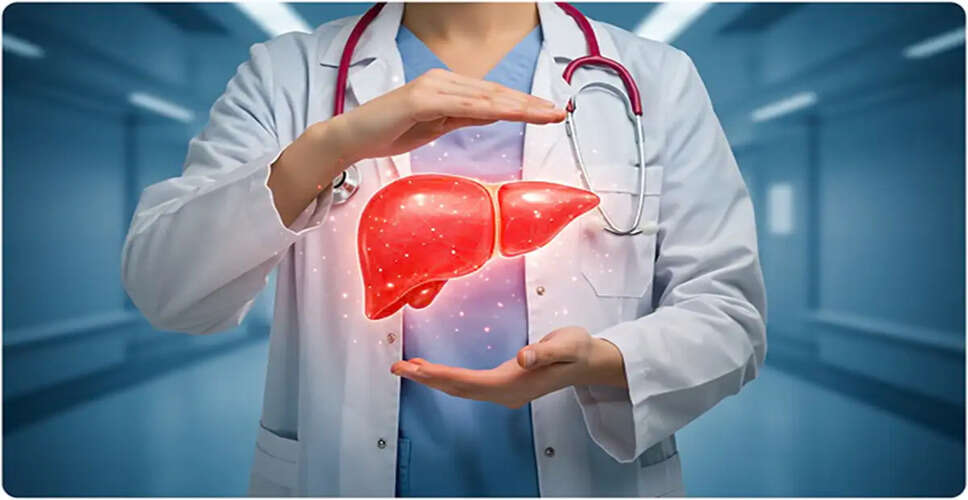

The Rising Concern of Fatty Liver Disease
Poor lifestyle choices and unhealthy eating habits have significantly impacted our health, leading to an increase in heart disease, diabetes, and neurological disorders among younger populations. Health professionals have observed a troubling rise in liver diseases over the past few decades, affecting even children, with conditions like fatty liver becoming increasingly prevalent.
Fatty Liver: Not Just an Obesity Issue
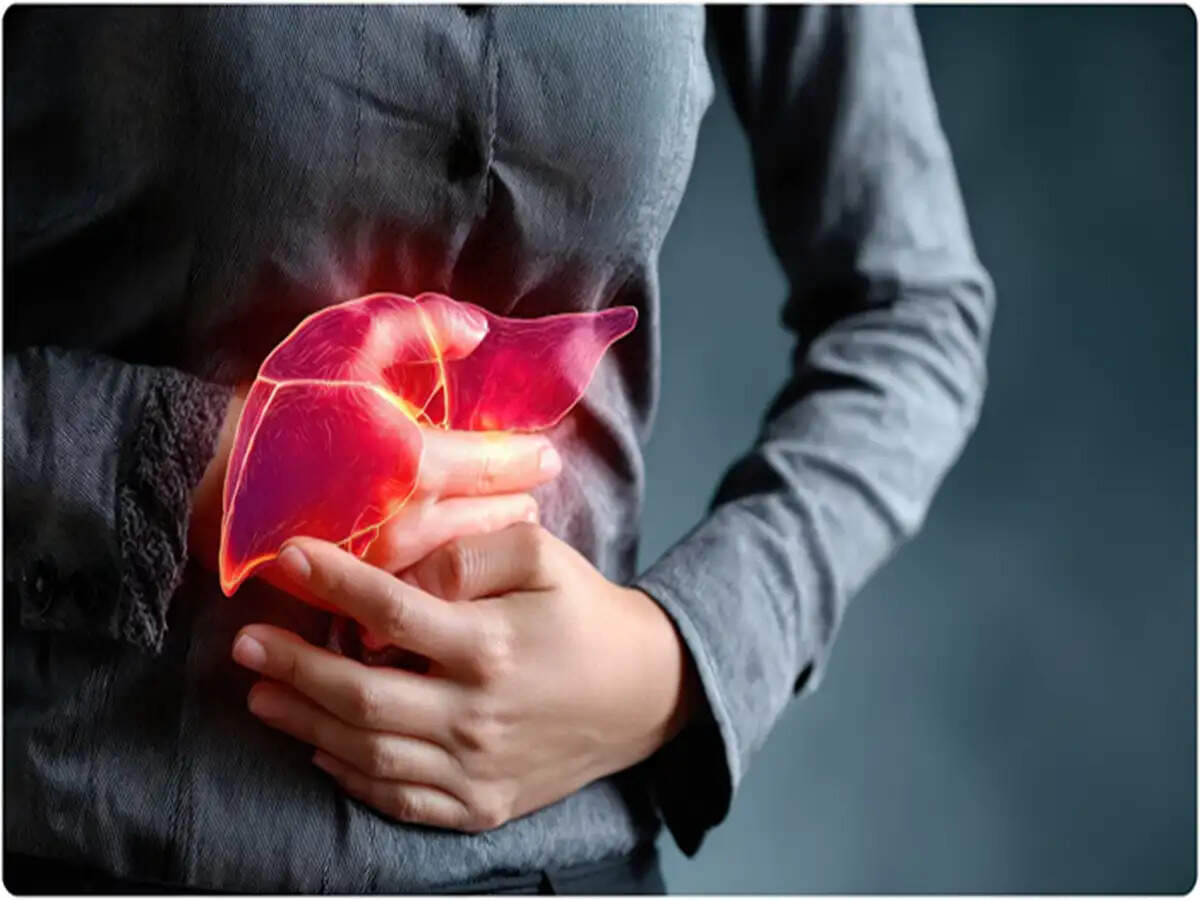
When discussing fatty liver, many people immediately think of obesity. Research has shown that those who are overweight or have excess abdominal fat are at a heightened risk for this condition. However, it's important to note that even individuals with a normal weight or those who are slim can develop what is known as "lean fatty liver."
The Hidden Dangers of Lean Fatty Liver
Could you be at risk for fatty liver without knowing it?
Health experts emphasize that "lean fatty liver" is a significant issue that often goes undetected. Many individuals who are thin may wrongly believe their liver is healthy. Even if your Body Mass Index (BMI) falls within the normal range, there is still a possibility of having an unhealthy amount of fat in your liver.
Factors such as insulin resistance, genetic factors, poor dietary choices, and insufficient physical activity can elevate the risk of developing lean fatty liver. It's possible for someone to appear fit externally while facing metabolic issues internally.
Why Lean Fatty Liver Occurs
Fatty liver is typically associated with overweight individuals, but certain conditions can lead to its development in those who are thin. Insulin resistance, where the body's cells struggle to utilize insulin effectively, can disrupt the balance of sugar and fat in the bloodstream, increasing the likelihood of fat buildup in the liver.
Genetic predispositions may also play a role, making some individuals more susceptible to liver fat accumulation, even if they maintain a normal weight. Additionally, visceral fat can gather around internal organs, adversely affecting metabolic health, regardless of outward appearance.
High consumption of sugary beverages, fructose, refined carbs, and ultra-processed foods can further heighten this risk.
Recognizing Fatty Liver Symptoms
In its early stages, fatty liver often presents no obvious symptoms. However, it can sometimes cause fatigue or discomfort in the upper right abdomen. The American Gastroenterological Association notes that individuals of Asian descent with a normal weight, even those with a BMI below 23, can still develop fatty liver.
Preventing and Detecting Fatty Liver
To mitigate risks and ensure early detection:
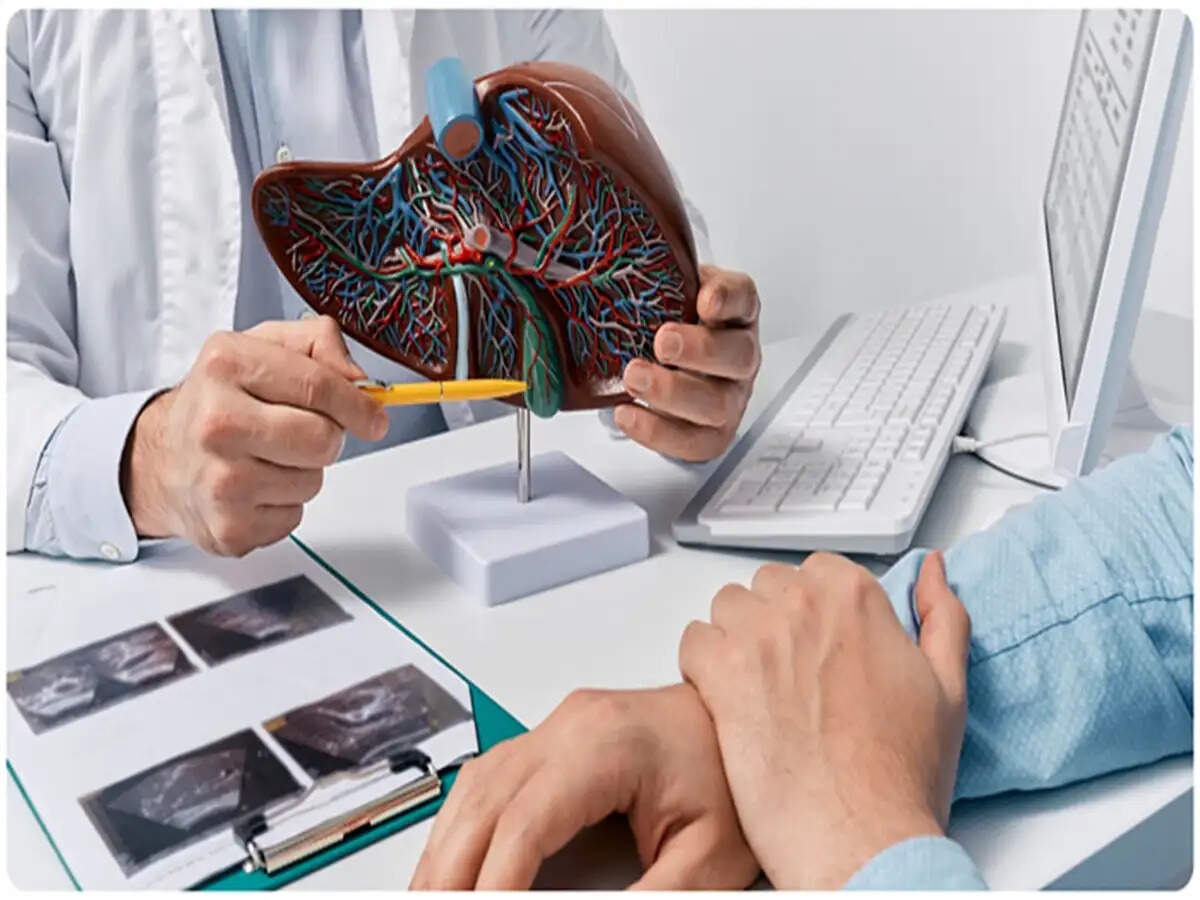
Consult a healthcare professional for liver function tests and ultrasounds. Regularly monitor your diabetes, triglyceride, and cholesterol levels, and take proactive steps to manage them. Incorporate daily walks and exercise into your routine, and limit sugary drinks and highly processed foods.
Stay Informed
PC Social Media