
Understanding Knee Pain in Younger Adults: Causes and Prevention
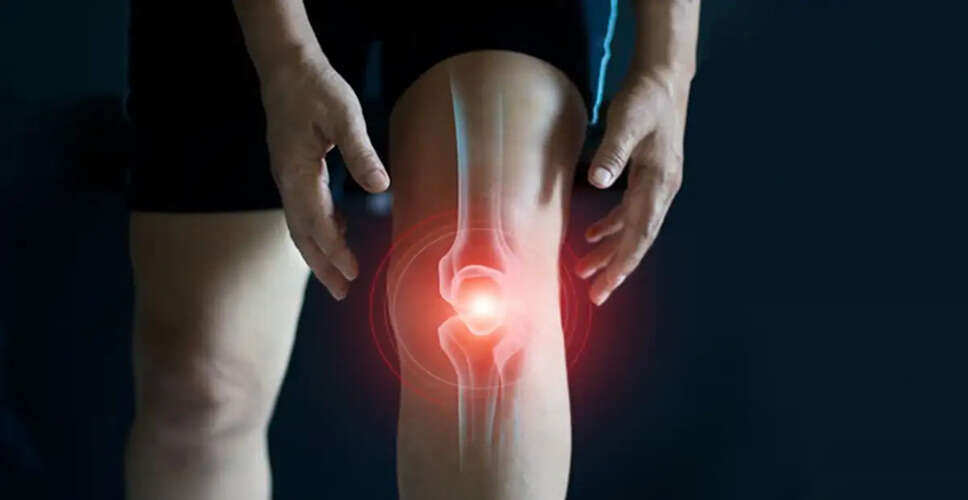

The Growing Concern of Knee Pain Among Younger Generations
Knee pain is increasingly affecting younger individuals, not just the elderly. Those in their 30s and 40s are experiencing this issue more frequently, often due to poor lifestyle habits, extended periods of inactivity, weight gain, and deficiencies in essential nutrients like Vitamin D and calcium. Additionally, the likelihood of developing osteoporosis, which weakens bones, escalates after the age of 40.
Dr. Nilabh, a prominent orthopedic surgeon specializing in knee and hip replacements in Delhi, emphasizes that a balanced diet, regular physical activity, weight management, and routine bone health assessments are crucial for maintaining healthy knees and bones over time. This article will delve into the reasons behind the rise of knee pain in younger individuals, the dangers of osteoporosis, and vital strategies for preserving joint strength into one's 60s.
Why Are Younger People Experiencing More Knee Pain?
Knee pain is no longer limited to older adults; it can affect individuals across various age groups. The two main age categories include:
Ages 20 to 25: In this demographic, knee pain can arise from deficiencies in calcium and Vitamin D, sedentary lifestyles, insufficient physical activity, or sudden bursts of intense exercise.
Ages 30 to 40: During this stage, factors such as weight gain, metabolic disorders, diabetes, gout, thyroid issues, and nutritional deficiencies can adversely affect knee health.
Primary Contributors to Knee Issues in Young Adults
Several factors contribute to knee problems among younger individuals, including:
Extended hours spent sitting while using laptops, smartphones, or watching television.
Weakening of the muscles that support the knee joints.
Running without adequate preparation or excessive workouts at the gym.
Conditions like "runner’s knee" and chondromalacia patellae.
Sports-related injuries to the ACL, MCL, or meniscus. Excessive pressure on the knees due to flat feet and improper foot alignment.
Five Strategies to Strengthen Your Knees Until Age 60
1. Maintain a healthy weight: Extra weight puts additional stress on the knees.
2. Regularly check your bone health: Ensure your calcium and Vitamin D levels are adequate.
3. Engage in low-impact exercises: Activities such as walking, cycling, and swimming are beneficial.
4. Strengthen your muscles: Incorporate exercises like chair squats, hamstring curls, and quadriceps-strengthening routines.
5. Choose appropriate footwear: Wear comfortable shoes that offer proper support.
Understanding Osteoporosis Risk After Age 40
Osteoporosis is a condition characterized by reduced bone density, which heightens the risk of fractures. While women may face increased risk post-menopause, both genders can be affected as they age.
Key Risk Factors for Osteoporosis
1. Aging and menopause.
2. Diabetes and thyroid-related conditions.
3. Prolonged inactivity.
4. Long-term use of specific medications.
5. Smoking and excessive alcohol intake.
6. Deficiencies in calcium and Vitamin D.
Tips for Maintaining Bone Health After 40
1. Engage in daily walking and regular exercise.
2. Follow a balanced diet and manage your weight.
3. Have your Vitamin D and calcium levels monitored under medical supervision.
4. Consider a DEXA bone densitometry test if needed.
5. If diagnosed with osteoporosis, adhere to prescribed medications.
6. Avoid smoking and limit alcohol consumption.
Stay Informed and Proactive
PC Social Media