
Understanding Kidney Stones: Causes, Risks, and Prevention

The Impact of Lifestyle on Kidney Health
Poor lifestyle choices and unhealthy eating habits have severely impacted our health, leading to an increased risk of conditions like obesity, heart disease, diabetes, and even cancer, particularly among younger individuals. Kidney health has also been notably compromised.

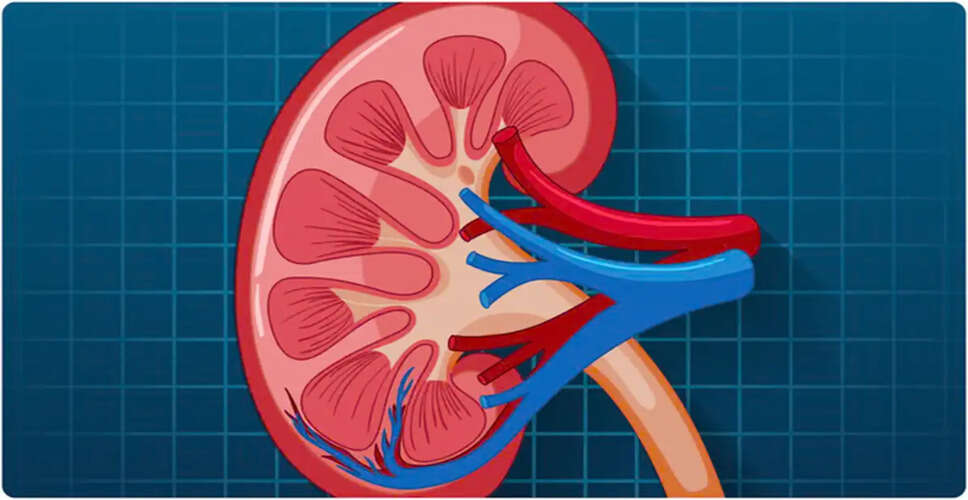
The kidneys play a crucial role in filtering blood, eliminating waste and excess fluids through urine. Any dysfunction in the kidneys can result in waste accumulation in the body. Kidney stones are a prevalent issue, prompting health professionals to advise vigilance.
Understanding Kidney Stones
Minerals and other compounds in urine can crystallize, forming solid deposits known as kidney stones. These stones can lead to intense pain in the lower back or abdomen, blood in urine, nausea, and discomfort during urination.
Interestingly, many individuals experience recurrent kidney stones even after treatment. Let's delve into the reasons behind this phenomenon.
The Recurrence of Kidney Stones
The Issue of Kidney Stones
Experts indicate that if the underlying causes of kidney stones are not addressed, there is a significant chance—up to 50%—of recurrence within five years. Therefore, those who have previously suffered from kidney stones should exercise caution.
Some individuals may have a genetic tendency towards developing kidney stones. Additionally, an unhealthy lifestyle and poor dietary choices can further elevate the risk of recurrence.
Factors Contributing to Recurrence
Why Do Kidney Stones Recur?
Health professionals explain that recurrent kidney stones often arise when urine contains elevated levels of substances that form crystals, such as calcium, oxalate, or uric acid.
Is dehydration a factor? Insufficient water intake can concentrate urine, leading to the buildup of calcium, oxalate, and other minerals that crystallize into stones. Hot weather and prolonged periods without hydration can exacerbate this risk.
Dietary Influences
Dietary factors can also be a cause.
Excessive salt consumption, whether from meals or processed foods, can increase calcium levels in urine, heightening the risk of kidney stones for some individuals. Common culprits include chips, savory snacks, pickles, and various packaged items, which often contain high sodium levels.
Moreover, foods rich in oxalates, such as spinach, nuts, and chocolate, can also contribute to stone formation if consumed in large amounts.
Genetic Considerations
Consider genetic factors as well.
A family history of kidney stones, gout, or metabolic disorders warrants extra caution. Recurrent urinary tract infections (UTIs) and certain intestinal conditions can also elevate the risk of stone formation. Additionally, some medications may increase the likelihood of developing stones.
Preventing Kidney Stones
How can you prevent kidney stones?
Experts recommend staying well-hydrated, reducing salt intake, and following a balanced diet to prevent kidney stones from recurring. Incorporating fruits, vegetables, whole grains, and moderate amounts of calcium-rich foods into your diet is beneficial.

Avoid excessive Vitamin C or other supplements unless necessary. If you experience severe abdominal pain, fever, chills, persistent vomiting, or difficulty urinating, seek medical attention promptly. An infection or blockage in the urinary tract alongside kidney stones can pose serious health risks. Timely diagnosis and treatment can significantly lower the chances of recurrence.