
Understanding Kharna: The Second Day of Chhath Puja
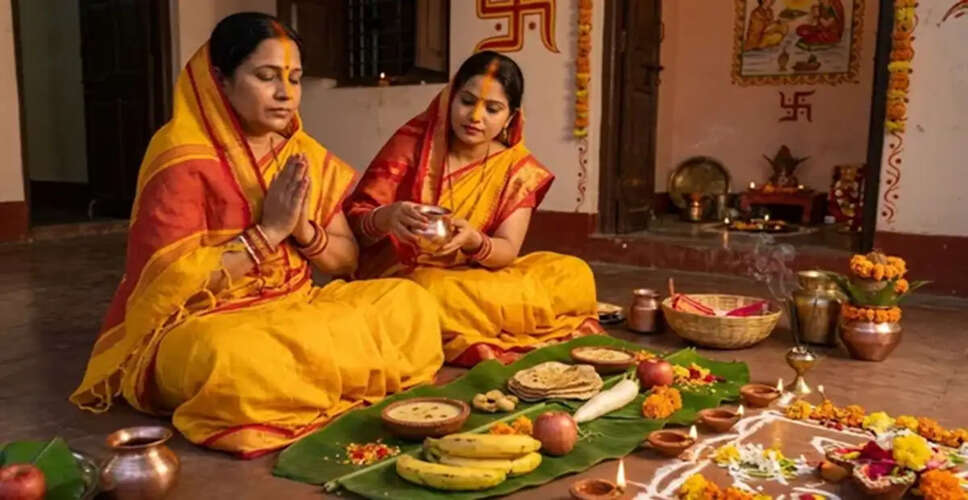

Significance of Kharna in Chhath Puja
According to the Vedic calendar, November 14th is recognized as the second day of the Chhath festival, known as Kharna. This day is significant in Hindu traditions, marking the start of a strict 36-hour fast, which is observed without any water intake (*nirjala*). It is believed that those who fast sincerely during Chhath will receive blessings for children and their longevity, as well as the favor of Chhathi Maiya and the Sun God (Surya Dev).
Kharna Offerings and Rituals
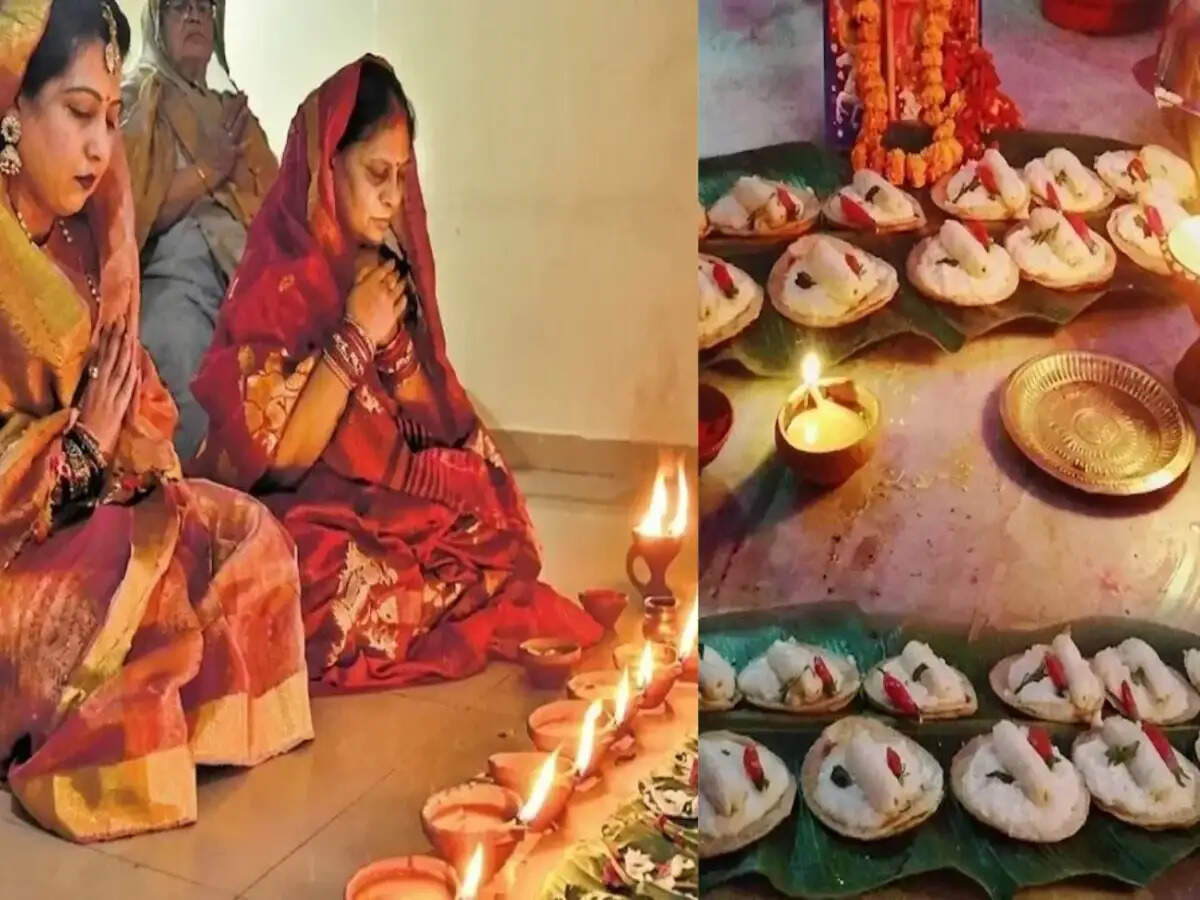
The *prasad* for Kharna is traditionally prepared on a new earthen stove. In the evening, a special dish made from jaggery and rice (*gur ki kheer*) along with wheat-flour *rotis* is served on a banana leaf and shared among participants. This article delves into the events that unfold on the second day of Chhath Puja.
Kharna 2026 Details
Kharna Date: November 14th, 2026
Start of *Panchami Tithi*: November 13th at 8:42 PM
End of *Panchami Tithi*: November 14th at 11:23 PM
Observances on Kharna Day
The fasting begins at dawn after a ritual bath, with no food or water until sunset. In the evening, the *prasad* is prepared on a new earthen stove, featuring *kheer* made from fresh rice, jaggery, and milk, along with *rotis* brushed with *ghee*. Bananas and radishes are also included in the offerings. After sunset, the *prasad* is placed on a banana leaf, followed by a formal worship of Chhathi Maiya and the Sun God, after which the food is consumed in a serene environment. The 36-hour *nirjala* fast commences after the *prasad* is eaten and concludes on the final day of Chhath Puja with the offering of *arghya* to the rising sun, after which the *prasad* is shared with others.
Important Guidelines for Kharna
Key Practices:
On Kharna, maintaining cleanliness in the home is crucial. It is essential not to taste any food while preparing the *prasad*. Additionally, ritual items should not be touched with unwashed hands. Avoid consuming garlic, onions, or any *tamasic* foods, and ensure that all family members eat only *satvic* meals. The *Kharna prasad* should be made using new utensils and a new earthen stove, avoiding any regular kitchenware.
Maintaining Harmony During Kharna
It is advisable to avoid arguments or harsh language within the household. The *Kharna* fast is strictly observed throughout the day without any water, with the *prasad* being consumed only after the evening rituals.
Social Media
PC Social Media