
Understanding Kharna Puja: Rituals and Significance

Kharna Puja: Importance and Observance
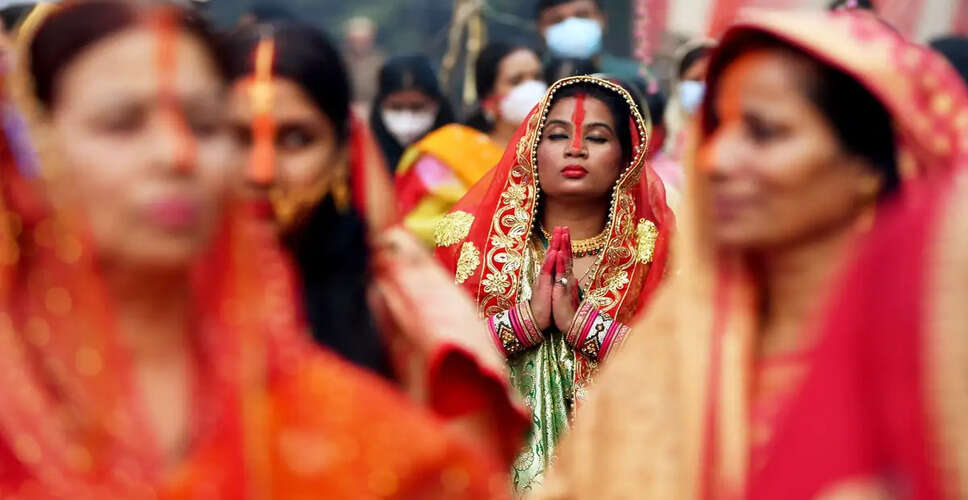
Kharna is a vital part of the four-day Chhath festival, celebrated on the second day, known as *Panchami*, during the *Kartik Shukla Paksha* (the waxing moon phase in Kartik month). Observers of the fast, referred to as *vratis*, refrain from consuming food or water (*nirjala*) from dawn until dusk. After sunset, they pay homage to the Sun God (*Surya Dev*) and Chhathi Maiya, offering *bhog* that includes *gur ki kheer* (a sweet rice pudding made with jaggery), *roti* (flatbread), and seasonal fruits. The *vrati* is the first to enjoy the *prasad* after the rituals, marking the start of a strict fast lasting around 36 hours without food or water.
Steps Involved in Kharna Puja
1. Morning Rituals and Vow (*Sankalp*)
On Kharna day, participants wake up early, cleanse themselves, and don fresh attire. They then meditate on the Sun God and Chhathi Maiya, taking a formal vow (*sankalp*) to observe the fast without food or water until evening.
2. Preparing the *Prasad*
On this day, the home and kitchen are meticulously cleaned. Traditionally, the *prasad* is cooked on an earthen stove (*chulha*) fueled by mango wood, with many families opting for new cooking vessels.
3. Making *Gur ki Kheer* and *Roti*
The main offerings for Kharna include *gur ki kheer* and *roti* made from wheat flour. The *kheer* is crafted using milk, *arwa* rice (sun-dried, unboiled rice), and jaggery, while the *roti* is made without salt. Bananas and seasonal fruits are also included in the offerings.
4. Evening Worship
After sunset, the *vrati* bathes and dresses in clean clothes. They light a *diya* (lamp) and perform worship for the Sun God and Chhathi Maiya, offering *kheer*, *roti*, and fruits as *bhog*, while praying for their family's well-being.
5. Consumption of *Prasad*
Once the worship is complete, the *vrati* is the first to partake in the Kharna *prasad*. After this, the *prasad* is shared with family and friends. Following this, a *nirjala* fast begins, lasting approximately 36 hours.
Guidelines for Kharna Day
During the Chhath festival, maintaining purity and discipline is crucial. On Kharna day, *vratis* should follow these important rules:
*Nirjala* (Waterless) Fast: No food or water is consumed from morning until evening. After enjoying the *prasad*, the *nirjala* fast begins.
Cleanliness: The home, kitchen, and worship area must be kept spotless. Utensils used for preparing the *prasad* should also be thoroughly cleaned.
*Sattvic* (Pure) *Prasad*: Ingredients like garlic, onion, and salt are avoided in the preparation of *kheer* and *roti*. It is essential to maintain the purity of the *prasad*.
Observance of *Brahmacharya* (Celibacy): Throughout the four days of Chhath, *vratis* should lead a disciplined lifestyle and practice *brahmacharya*.
Restraint in Speech and Conduct: Avoid arguments, harsh language, and negative thoughts.
Sleeping on the Floor: Many families have the tradition of *vratis* sleeping on a mat on the floor instead of a bed.
Breaking the Fast (*Paran*): The *nirjala* fast that starts after Kharna will conclude on November 16, 2026, after offering *arghya* (libations) to the rising sun.
Regional Variations in Traditions
The customs and rules associated with Chhath Puja may differ slightly based on regional practices and family traditions. Therefore, it is advisable to perform the rituals according to one's family customs and beliefs.
Social Media
PC Social Media