
Understanding Kharmas: A Time for Reflection and Restraint
What is Kharmas?
During the period known as Kharmas, various significant events such as marriages, housewarmings, naming ceremonies, and the initiation of new projects are traditionally avoided. This practice stems from religious beliefs that suggest the energy cycles remain stable during this time, which is also viewed as a period of rest for deities. Astrological insights indicate that the favorable positions of celestial bodies are inactive, leading to diminished positive outcomes for any auspicious endeavors.
The Significance of the Sun's Transition
The Influence of the Sun God's Movement
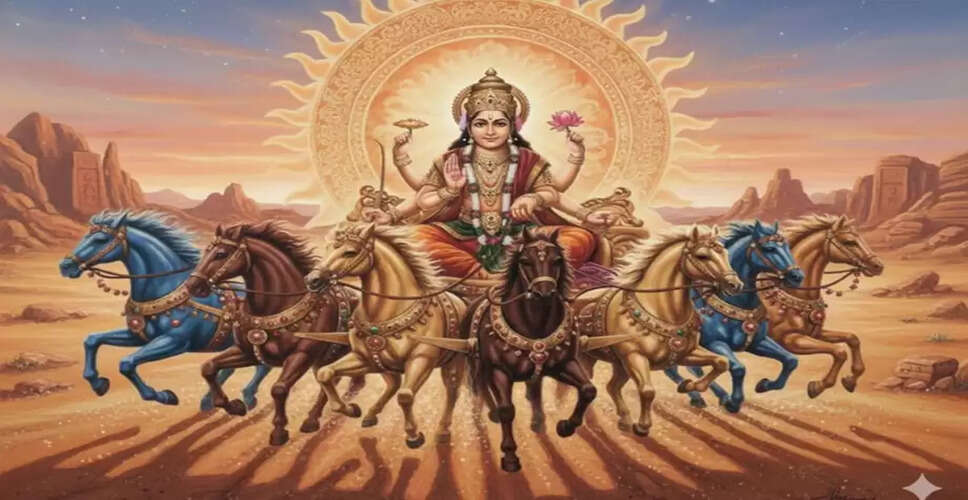
The onset of Karma is marked by the Sun's entry into the Sagittarius zodiac sign, a moment deemed particularly significant from an astronomical viewpoint. As the Sun transitions into Sagittarius, its trajectory begins to shift northward, indicating a period of change.
During this phase, the Sun's energy is perceived to be less potent than usual, leading to the belief that it is an inopportune time for initiating auspicious activities. When the Sun's brilliance is not at its peak, the beneficial effects of the planets also stabilize, prompting scriptures to recommend against starting new ventures during this time.
Why Auspicious Yogas Are Unavailable
Why are Auspicious Yogas Not Formed?
Astrological traditions assert that the success of any auspicious endeavor hinges on the alignment of planets, constellations, and energy cycles. During Kharmas, the Sun's position is considered weak, which prevents the formation of auspicious yogas (planetary combinations).
During this time, the positive influence of the planets is ineffective, and challenges may arise in the planetary cycles, leading to less favorable outcomes for new initiatives. Astrology suggests that when planetary energy is stagnant, any auspicious activities initiated during this period are unlikely to yield the desired results. Hence, it is recommended to delay all auspicious actions during Kharmas.
Recommended Practices During Kharmas
What should be done during Kharmas?
Engaging in bathing during Brahma Muhurta (the pre-dawn hours) during Kharmas is believed to cleanse the body, mind, and energy cycles.
Offering water to the Sun God is thought to enhance positive energy and vitality.
Donating items such as sesame seeds, jaggery, grains, and clothing is regarded as highly virtuous, symbolizing compassion, purity, and service.
Practicing mantra chanting and meditation can instill stability, tranquility, and spiritual depth in the practitioner’s mind. Additionally, aiding those in need during this time is considered especially commendable.
In essence, Kharmas serves as a valuable opportunity for introspection, self-discipline, and spiritual advancement.
Conclusion
PC Social Media