
Understanding Karwa Chauth: A Guide for Unmarried Girls
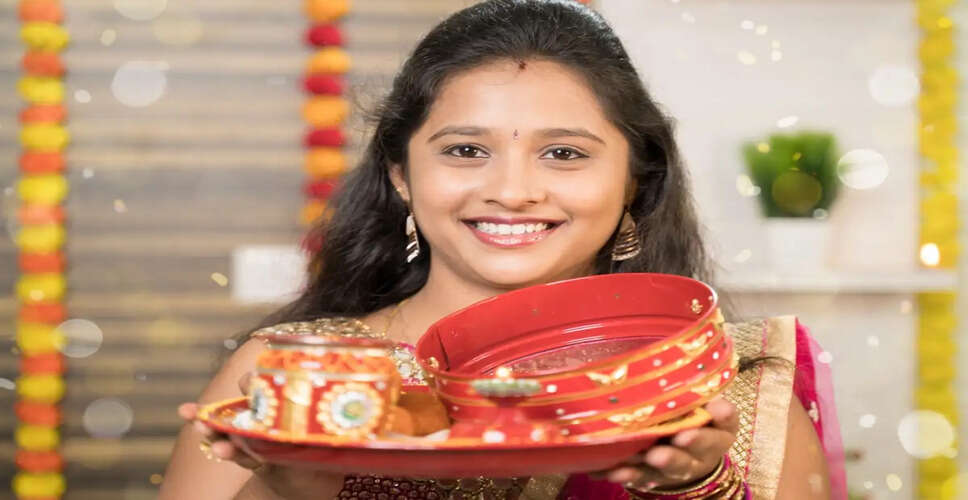

Karwa Chauth Vrat for Unmarried Girls
The festival of Karwa Chauth is traditionally significant for married women, celebrated on the fourth day of the waning moon in Kartika, which this year falls on Thursday, October 29th. On this day, married women fast without water, known as *nirjala vrat*, praying for their husbands' longevity and well-being, breaking their fast only after offering *arghya* to the moon. Interestingly, many unmarried girls have started observing this fast, often for their future partners. This trend raises the question: Is it appropriate for unmarried girls to participate in Karwa Chauth? What do religious texts indicate about this practice?
Scriptural Insights
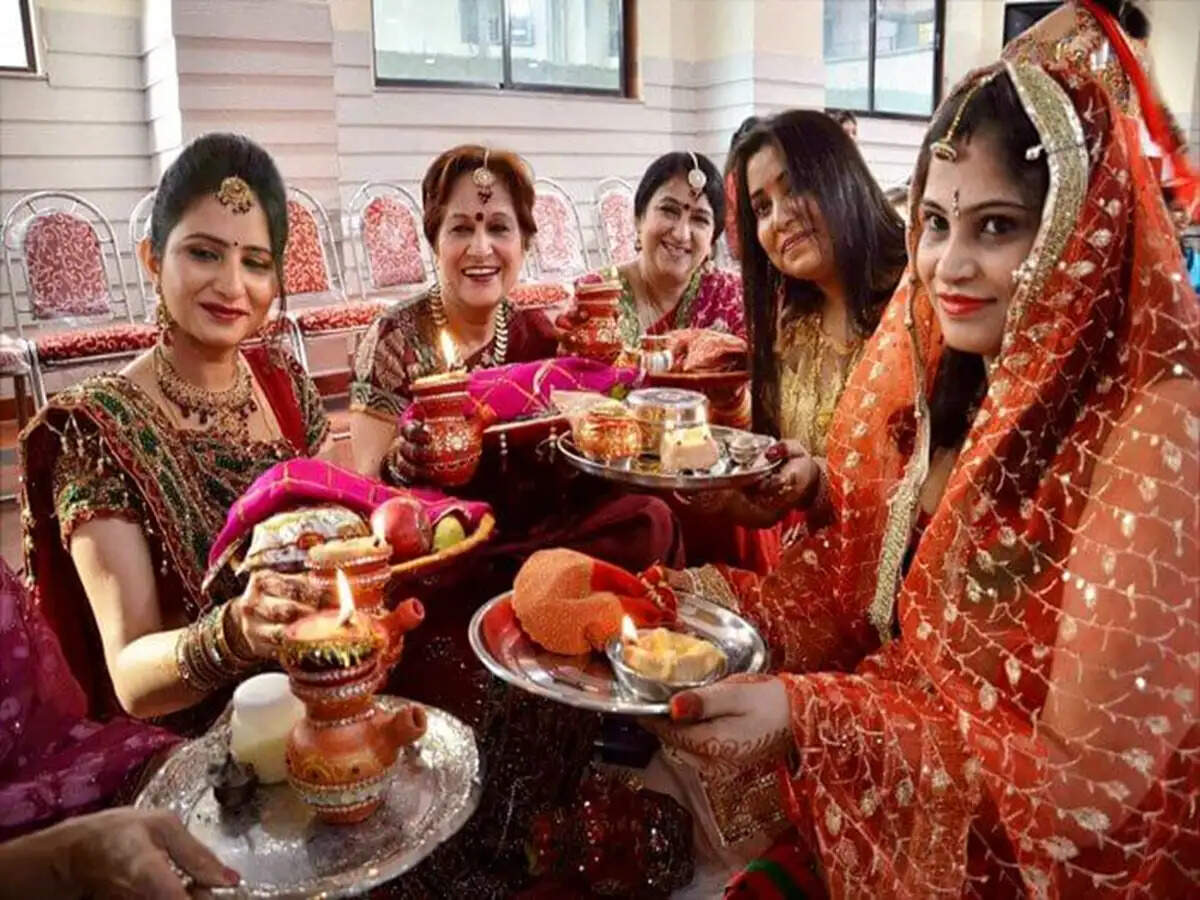
According to most religious texts, the Karwa Chauth fast is specifically designated for married women. The essence of this fast revolves around *pativratya dharma*, which signifies devotion to one’s husband, a commitment that can only be fulfilled after marriage. The term *pativratya* combines *pati* (husband) and *vrat* (vow), emphasizing loyalty and dedication. Therefore, scriptures do not endorse the observance of this fast by unmarried girls, as it is meant exclusively for those who are married.
Blessings for All
Despite traditional views, many unmarried girls have begun to observe the Karwa Chauth fast, praying to Lord Shiva and Goddess Parvati for a suitable life partner. There are no restrictions against them participating in this fast, and they too can receive blessings. Thus, the festival symbolizes well-wishes not only for married women but also for those who are unmarried.
Karwa Chauth Guidelines for Unmarried Girls
Unmarried girls follow different customs compared to married women during this fast. While married women conclude their fast by viewing the moon through a sieve and then their husband's face, unmarried girls look at the stars. They may still offer *arghya* to the moon.
Married women fast for their husbands' health, while unmarried girls focus on worshipping Lord Shiva and Goddess Parvati, believing this will help them find their ideal partner. On Karwa Chauth, married women adorn themselves with *solah shringar* (sixteen traditional ornaments) and engage in rituals like exchanging *karwas* (earthen pots) and rotating the *thali* (ritual plate). Unmarried girls are not required to follow these customs, nor do they need to perform rituals associated with marital status.
The *sargi*, a pre-dawn meal, is a tradition exclusive to married women and does not apply to unmarried girls. They are allowed to eat fruit or drink water once during the day. It is advised to avoid *tamasic* (heavy or impure) foods to ensure the fast is observed properly.
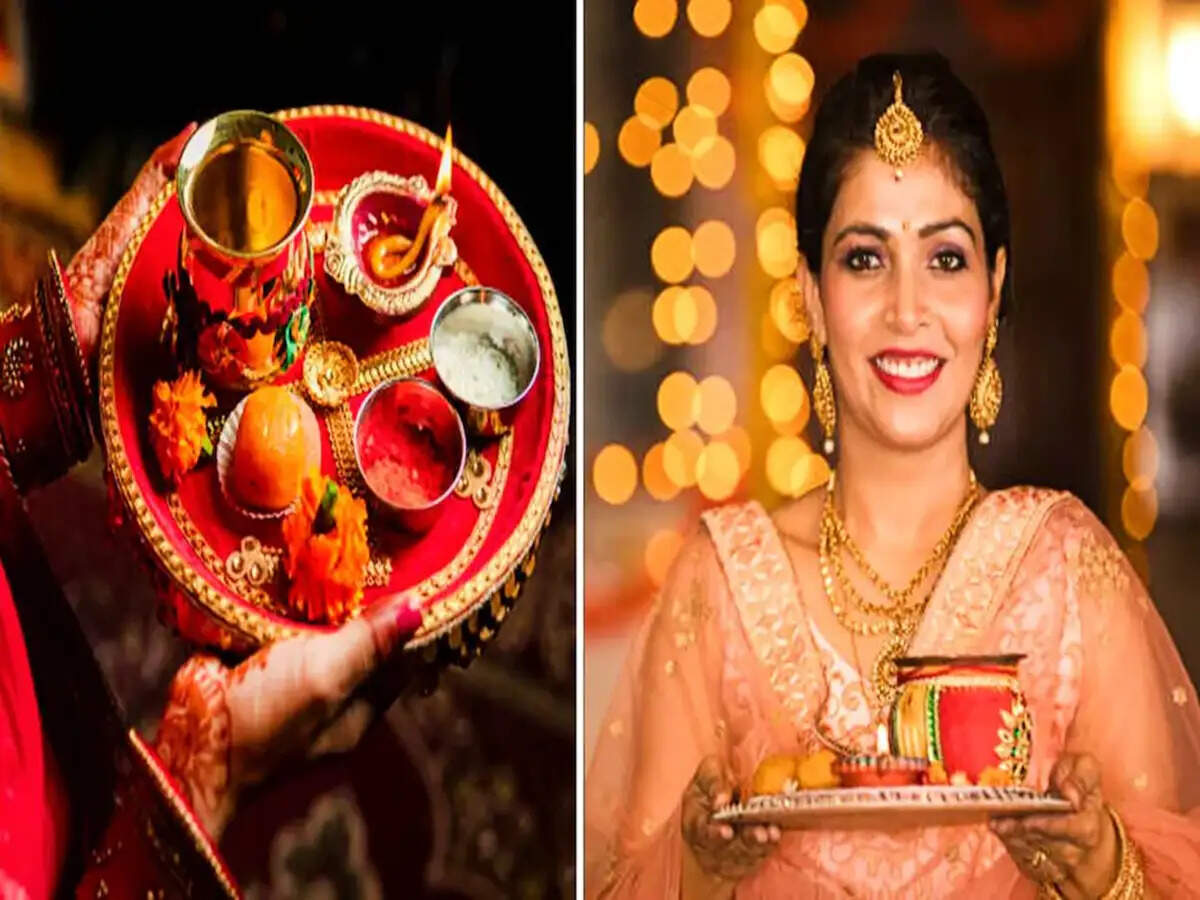
Married women typically observe a *nirjala* fast and break it in the evening after offering *arghya* to the moon. Unmarried girls, however, are not bound to this requirement and may consume fruit during the day. They can also join married women in listening to the Karwa Chauth *katha* (traditional story), during which they can express their desires regarding their future husbands to the Mother Goddess.