
Understanding Jalabhishek and Rudrabhishek: Key Differences and Ritual Significance
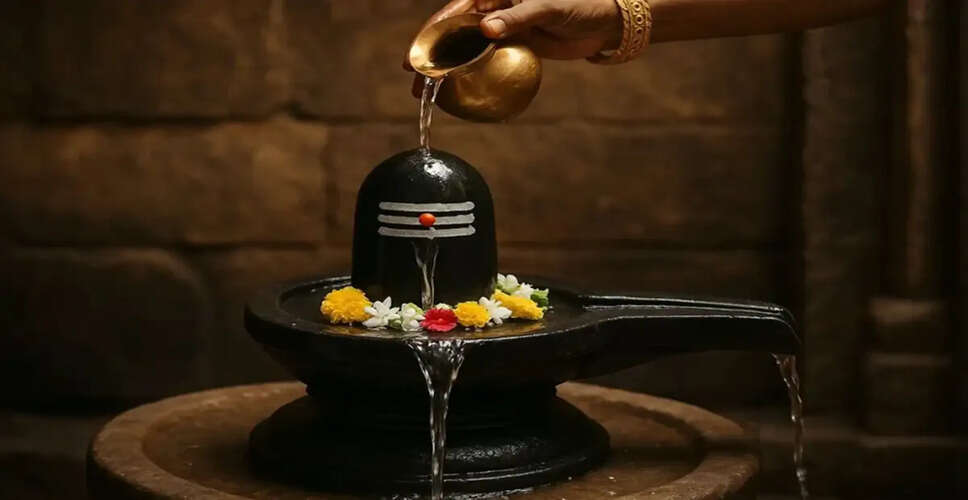

Exploring the Significance of Jalabhishek and Rudrabhishek
Understanding Jalabhishek and Rudrabhishek: The month of Sawan is particularly important for followers of Lord Shiva, who engage in various practices to honor Him. As Sawan is considered the most auspicious month for Lord Shiva, devotees partake in rituals such as fasting, worship, ritual bathing, charity, chanting, the Kanwar Yatra, Jalabhishek, Rudrabhishek, and Panchamrit Abhishek to seek blessings from Mahadev. Many devotees aspire to perform Jalabhishek during this month, believing that the compassion of Shiva Shambhu can lead to salvation. In contrast, Rudrabhishek, which includes the Panchamrit Abhishek, is performed to fulfill specific desires. Let’s delve into the distinctions between Jalabhishek, Rudrabhishek, and Panchamrit Abhishek.
Key Differences Among Jalabhishek, Rudrabhishek, and Panchamrit Abhishek
Jalabhishek refers to a ritual bathing of Lord Shiva using water. This can be performed daily by taking a vessel filled with holy water and adding raw cow's milk, unbroken rice grains, flowers, and wood apple leaves. While chanting Shiva mantras, the mixture is poured over the Shivling. Alternatively, one can perform the abhishek using only water.
On the other hand, Rudrabhishek is distinct from Jalabhishek and is not performed daily, except during the month of Sawan. During this month, Lord Shiva is believed to be present on Earth, allowing for Rudrabhishek to be conducted on any day. In other months, it is essential to choose an auspicious day for the ritual. Rudrabhishek involves using substances like Gangajal, raw milk, sugarcane juice, curd, honey, and jaggery syrup.
This ritual requires specific adherence to worship rules and should ideally be conducted by a qualified priest or astrologer. Panchamrit Abhishek is a variant of Rudrabhishek, where a mixture of milk, curd, ghee, honey, and sugar is prepared, and the Rudrabhishek of Lord Mahadev is performed following the standard protocols.
Benefits of Jalabhishek and Rudrabhishek
Engaging in Jalabhishek and Rudrabhishek is particularly beneficial for those facing chronic illnesses, suffering, mental distress, planetary afflictions, failures, family disputes, legal issues, threats of untimely death, Kaal Sarp Dosh, or marital separation. These rituals are believed to promote progress, happiness, peace, and prosperity in life, along with good health.
When Can Rudrabhishek Be Performed?
Rudrabhishek is especially auspicious when performed on Mahashivratri. It can also be conducted on any day during the holy month of Sawan, including Sawan Shivratri, Sawan Pradosh, or Sawan Mondays. Additionally, since Shivratri and Pradosh Vrat occur monthly, Rudrabhishek can be performed on those days as well. It is also favorable to perform it on any Monday that aligns with an auspicious Shivvas.
PC Social Media