
Understanding Hypertension: Key Signs and Management Strategies
Recognizing Hypertension: A Growing Concern
Hypertension Warning Signs: The prevalence of high blood pressure is increasing, affecting millions across India. Alarmingly, many individuals suffering from this condition remain unaware of their health status. Medically termed hypertension, this condition is often labeled a "silent killer" by healthcare professionals due to its subtle symptoms, which can lead to severe health crises like heart attacks or strokes. Therefore, managing high blood pressure is vital, as neglecting it can have dire consequences. While some patients may exhibit symptoms, these should never be overlooked, and immediate medical consultation is advised. Symptoms typically surface only when blood pressure escalates to dangerous levels.
Understanding Blood Pressure Levels
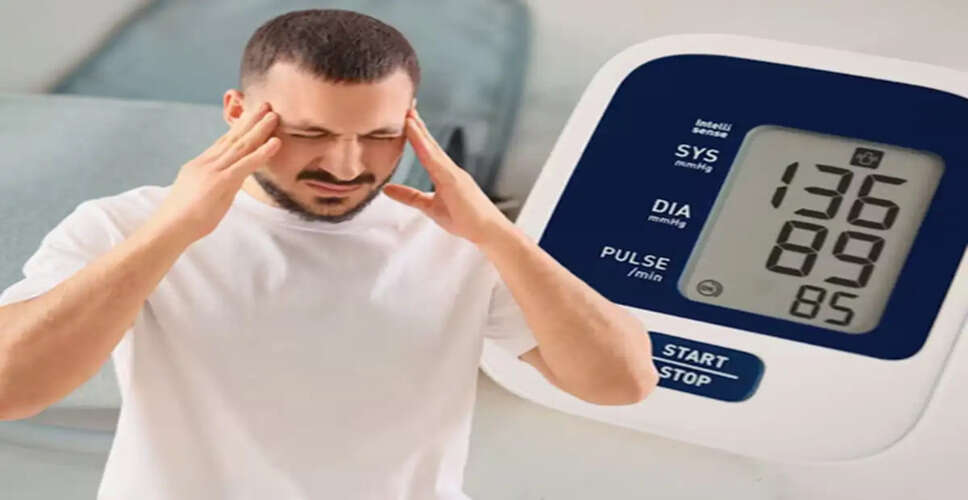
As per findings from a prominent medical institution in the U.S., high blood pressure is characterized by consistently elevated blood flow through the arteries. Ideally, blood pressure readings should be below 120/80 mm Hg. Readings between 120–129/<80 mm Hg are classified as "elevated," while those between 130–139/80–89 mm Hg indicate Stage 1 Hypertension. A reading of 140/90 mm Hg or above is categorized as Stage 2 Hypertension. If blood pressure reaches 180/120 mm Hg or higher, it is termed a "hypertensive crisis," necessitating immediate medical intervention.
Identifying Symptoms of High Blood Pressure
What Are the Symptoms of High Blood Pressure?
High blood pressure often goes unnoticed; however, critical levels may trigger specific warning signs. Persistent or sudden severe headaches can indicate high BP, especially if they occur in the morning. Shortness of breath during minimal exertion, such as climbing stairs, may also signal increased heart strain, serving as a serious warning of hypertension. Frequent nosebleeds can further indicate elevated blood pressure. Remember, these symptoms usually appear only when the condition has worsened, so they should not be ignored.
The Dangers of Untreated Hypertension
Why is High Blood Pressure Dangerous?
If not addressed, high blood pressure can lead to severe health issues, including heart attacks, strokes, kidney damage, and vision problems. It is advisable to have your blood pressure checked every two years after turning 18, and annually after 40. Those at risk for hypertension or heart disease should monitor their blood pressure regularly. Everyone should be vigilant about their blood pressure levels.
Effective Strategies for Blood Pressure Management
Simple Ways to Control Blood Pressure
Experts suggest that lifestyle changes can significantly help manage high blood pressure. Individuals should aim to reduce salt intake, engage in regular physical activity, avoid smoking and excessive alcohol consumption, maintain a nutritious diet, and incorporate yoga and meditation to alleviate stress. In some cases, medication may be necessary. While high blood pressure is serious, it is manageable. Regular check-ups and a healthy lifestyle are essential, and any symptoms should prompt immediate consultation with a healthcare provider.
Stay Informed and Healthy
PC Social Media