
Understanding Heart Health Risks Post-Menopause

Heart Attack Risk After Menopause
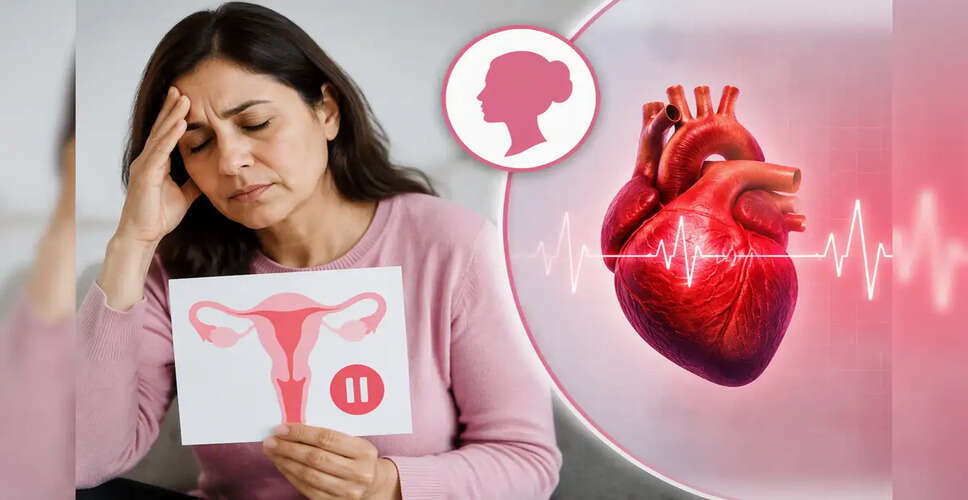
Heart Attack Risk After Menopause: Menopause marks a significant transition in a woman's life, typically occurring between the ages of 45 and 55 when menstrual cycles permanently cease. However, this phase can also have implications for heart health. The hormonal changes that accompany menopause, particularly the reduction of estrogen, can affect various health aspects, including blood pressure, cholesterol levels, and fat distribution in the body. Consequently, women in this demographic should prioritize their cardiovascular health.
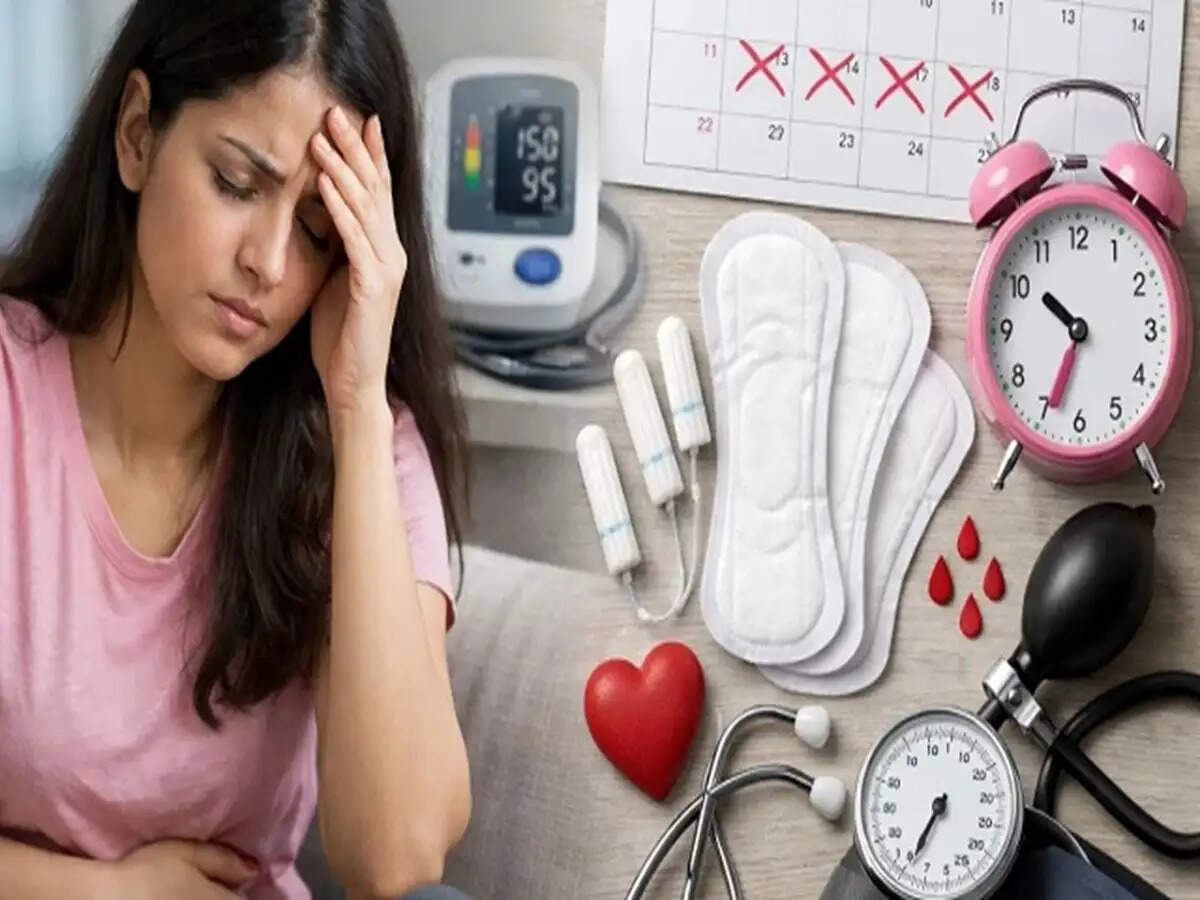
In a video released on October 5th, Dr. Jeremy London, a board-certified cardiovascular surgeon with over 25 years of experience, discussed the connection between menopause and heart health. He emphasized that the risk of heart-related issues can rise during this time, highlighting three critical changes that contribute to this increased risk.
Being aware of the bodily changes and monitoring health proactively is essential.
1. Possible Rise in Blood Pressure—
Dr. London noted that some women may see an uptick in blood pressure after menopause. This can be attributed to the decline in estrogen levels, which leads to reduced nitric oxide production in blood vessels. Nitric oxide is crucial for keeping blood vessels relaxed; a decrease can result in stiffer vessels and elevated blood pressure. Chronic high blood pressure can heighten the risk of heart and vascular diseases.
2. Alterations in Cholesterol Levels—
Another significant change during menopause is the potential rise in cholesterol levels. Dr. London explained that as estrogen diminishes, the liver's ability to eliminate harmful fat particles from the bloodstream decreases. This includes atherogenic lipoproteins containing ApoB, which can lead to fat buildup in arteries, increasing the risk of heart disease. Therefore, monitoring cholesterol levels and other cardiovascular risk factors becomes crucial around this time.
3. Increase in Visceral Fat Around the Abdomen
Many women notice a weight gain, particularly around the waist, post-menopause. This should not be dismissed as a mere aspect of aging. There can be a rise in visceral fat, which accumulates deep within the abdomen and surrounds vital organs.
Dr. London pointed out that this type of fat can disrupt metabolism, potentially leading to increased insulin resistance and complicating cholesterol management. Thus, an expanding waistline after menopause is not just a cosmetic issue; it serves as a health warning.
How to Maintain Heart Health During Menopause?
While menopause is an inevitable phase, its associated changes can be managed effectively. Engaging in regular physical activity, maintaining a balanced diet, ensuring adequate sleep, managing stress, and keeping a healthy weight can all support heart health.
Moreover, regular check-ups for blood pressure, blood sugar, and cholesterol are vital. If any new or concerning symptoms arise during menopause, consulting a healthcare professional is advisable rather than attributing them solely to aging.
It is important to note that not every woman will develop heart disease during menopause; however, certain risk factors may increase. Therefore, being informed about bodily changes and prioritizing health is crucial.
Medical Disclaimer: This article serves as general health information and is not a substitute for professional medical advice, diagnosis, or treatment. Symptoms and health risks during menopause can vary widely among women. If you experience severe symptoms such as chest pain, difficulty breathing, or extremely high blood pressure, seek immediate medical attention. Always consult a healthcare provider before starting or stopping any medication or treatment.
PC Social Media